
Are We Completely Misunderstanding Charmaine Roberts in Virgin River?
The Character Fans Love to Criticize
In Virgin River, few characters divide the audience like Charmaine Roberts. For many viewers, she’s the complication. The emotional storm standing between Jack and Mel’s love story.
But here’s the uncomfortable possibility: what if we’ve been misreading her from the start?
What if Charmaine isn’t written as a villain… but as a woman unraveling in real time?
The Love Triangle Bias
From the moment Mel enters the story, the audience aligns with her. She’s new. She’s healing. She’s hopeful. Naturally, we root for her romance with Jack.
Charmaine, however, represents history. She was already involved with Jack. That automatically positions her as “in the way.”
But being in the way of a love story doesn’t equal moral failure. It simply means the narrative spotlight isn’t on you.
And whoever stands outside the spotlight often gets judged more harshly.
Fear Looks Ugly on Screen
When Charmaine becomes pregnant, the tension skyrockets. Suddenly, this isn’t just romantic drama. It’s about responsibility, stability, and long-term commitment.
Her reactions feel intense—sometimes desperate. She pushes. She demands clarity. She clings.
But strip away the dramatic music and heightened dialogue, and what do you see?
A woman who feels abandoned.
A woman afraid of raising children without emotional security.
A woman watching the father of her babies fall for someone else.
Fear rarely presents itself politely. It often looks like control. Or anger. Or emotional volatility.
That doesn’t automatically make someone manipulative. It makes them scared.
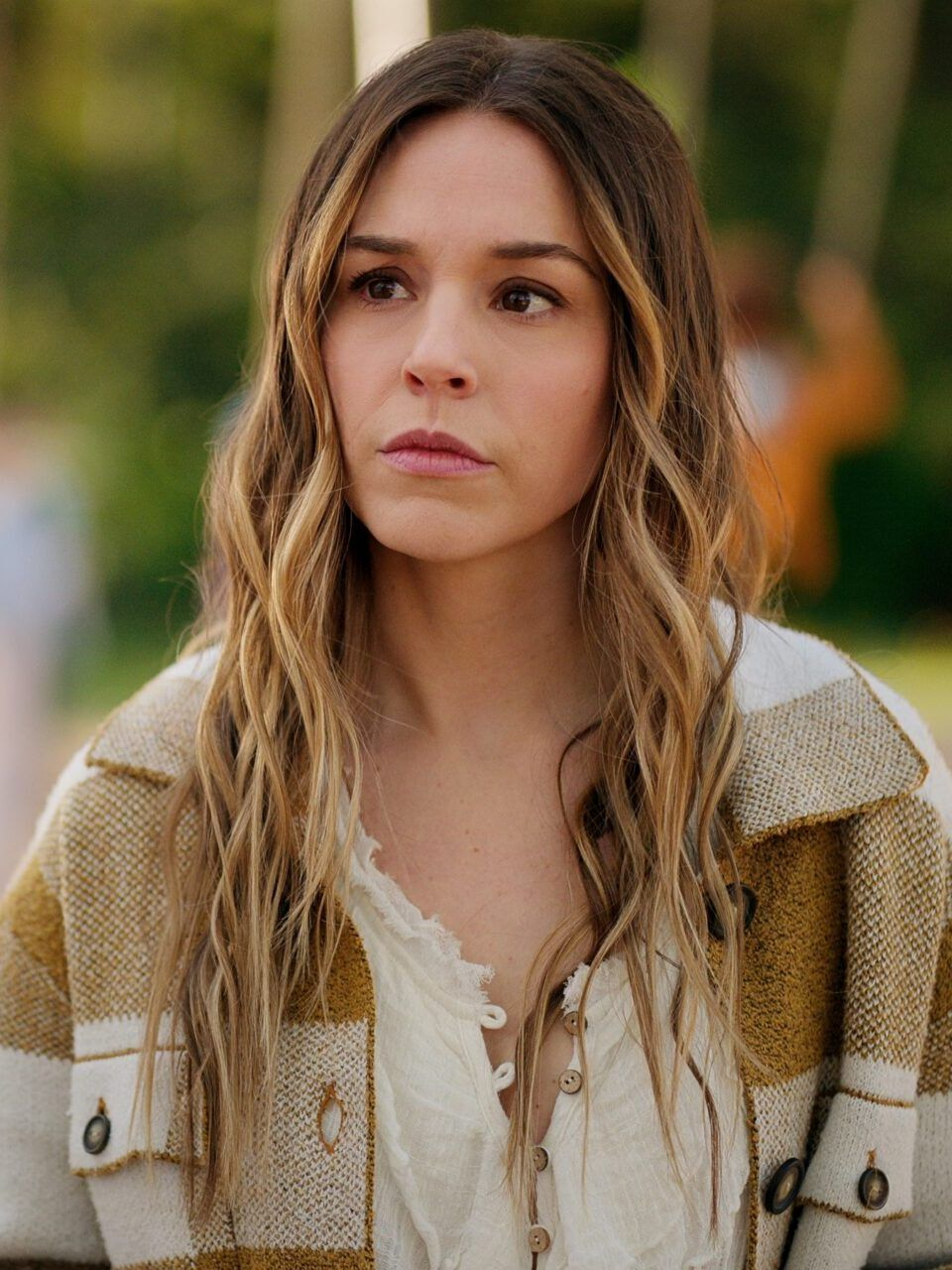
The Perspective Problem
The emotional lens of the show centers on Mel and Jack. We see their longing, their vulnerability, their chemistry.
We don’t spend equal time inside Charmaine’s internal world.
Imagine if the story were told from her perspective. You’d see a woman who believed she had a future with someone. Then, slowly, she realized she didn’t.
From that angle, she’s not sabotaging a romance. She’s reacting to losing one.
Narrative framing shapes judgment more than we realize.
The “Unlikeable Woman” Effect
Television audiences often tolerate flawed male characters more easily than flawed female ones. When men act out of trauma, they’re labeled complex. When women act out of insecurity, they’re labeled dramatic.
Charmaine expresses insecurity openly. She wants reassurance. She wants commitment. She doesn’t quietly step aside.
That makes her uncomfortable to watch.
But discomfort isn’t villainy.
It’s humanity without a filter.
Incompatibility Isn’t Evil
Jack and Charmaine were never fully aligned emotionally. She wanted permanence. He hesitated. She sought structure. He gravitated toward emotional connection.
That’s not a morality issue. That’s incompatibility.
When one partner invests more deeply, they often hold on tighter. Charmaine didn’t create the imbalance. She reacted to it.
Messily, yes. But realistically.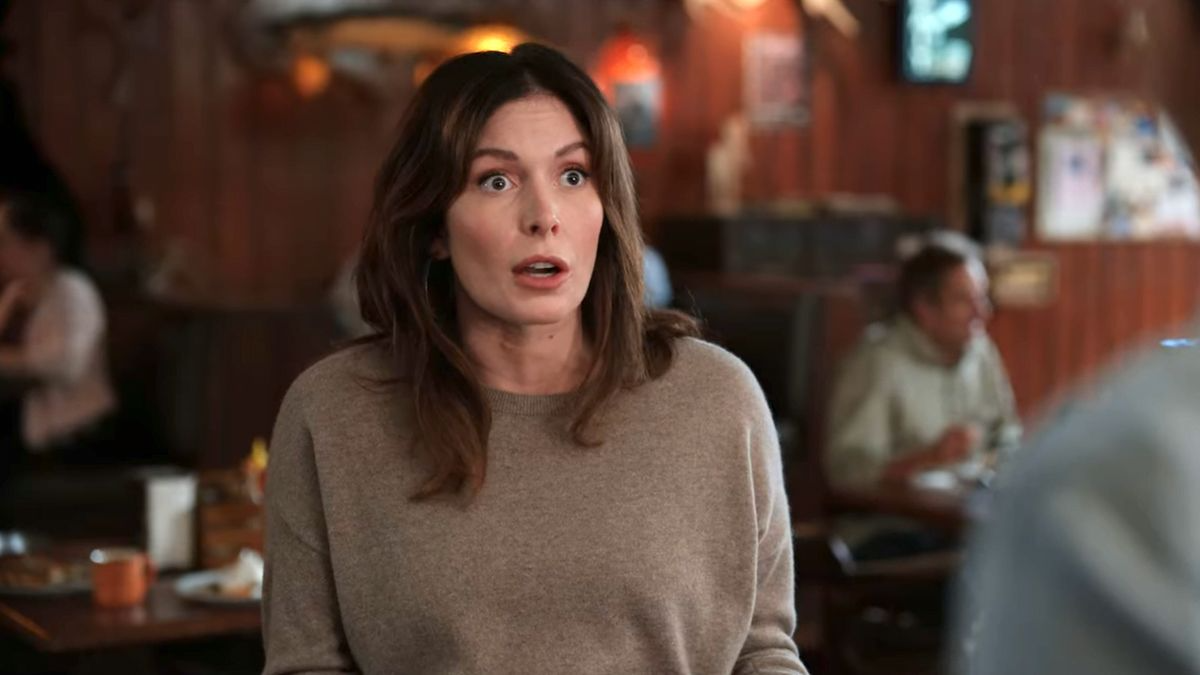
Why Fans React So Strongly
The answer is simple: we protect the love story we’re emotionally invested in.
Mel and Jack feel like destiny. So anyone who complicates that feels like an antagonist.
It’s psychological. We attach ourselves to narrative outcomes. When someone disrupts that outcome, we interpret them as the problem.
Charmaine isn’t just a character. She’s an obstacle to a fantasy.
And obstacles rarely receive empathy.
A Performance That Adds Depth
Portrayed by Lauren Hammersley, Charmaine isn’t flat or cartoonish. There’s vulnerability beneath the tension. Even in confrontational scenes, there’s visible fragility.
That nuance suggests intention. She’s not written as a one-note antagonist.
She’s written as someone who doesn’t handle loss well.
And who does?
Villain or Mirror?
Maybe Charmaine isn’t the villain of Virgin River. Maybe she’s the mirror.
She reflects what happens when love isn’t fully reciprocated. When expectations outpace reality. When fear overrides logic.
Have you ever stayed in something too long because you hoped it would change? Have you ever tried harder when someone pulled away?
If yes, then Charmaine isn’t foreign.
She’s familiar.
Final Thoughts
So, are we completely misunderstanding Charmaine Roberts?
Possibly.
She isn’t graceful. She isn’t emotionally composed. She doesn’t step aside quietly so the central couple can thrive.
But that doesn’t make her evil.
It makes her human.
In a town built on second chances and emotional healing, Charmaine might not be the villain of the story.
She might be the cautionary tale about loving someone who doesn’t love you back the same way.
And that hits closer to home than we’d like to admit.