
Television history is filled with shocking cancellations. But every so often, one stings a little more. When NCIS: Hawaiʻi was canceled, fans didn’t just shrug and move on. They reacted. Loudly. And honestly? They had every right to.
Because this wasn’t just another procedural quietly fading into the sunset. This was a franchise powerhouse extension. A cultural shift. A ratings performer. And perhaps most importantly—it was proof that evolution inside a legacy brand isn’t just possible. It’s necessary.
We can’t afford to let bold steps backward happen in modern television. And NCIS: Hawaiʻi certainly didn’t.
Let’s talk about why.
The Power of the NCIS Franchise
Before we dive into the cancellation shockwave, let’s zoom out.
The NCIS universe isn’t just big—it’s gigantic. For over two decades, it has dominated primetime with a loyal audience that spans generations.
From the original series to NCIS: Los Angeles and NCIS: New Orleans, the brand has proven one thing repeatedly: consistency sells.
But consistency alone isn’t enough anymore.
Audiences want fresh energy. New perspectives. Representation. Emotional stakes.
That’s exactly what NCIS: Hawaiʻi brought to the table.
Why NCIS: Hawaiʻi Was Different
So what made this spinoff stand out?
It wasn’t just the stunning Pacific backdrop. Though let’s be honest—Hawaiʻi looked incredible on screen.
It was the tone.
It was the leadership.
And it was the casting.
A Historic Lead Character
When Vanessa Lachey stepped into the role of Special Agent in Charge Jane Tennant, she made history as the first female lead in the NCIS franchise.
That wasn’t just a casting decision. That was evolution.
Tennant wasn’t written as a “female version” of previous leads. She was layered, vulnerable, commanding, and human. A working mother. A leader balancing strength with empathy.
And viewers connected to that authenticity.
Ratings Don’t Tell the Whole Story—But They Matter
Let’s be real. Television is a business.
And NCIS: Hawaiʻi wasn’t floundering in obscurity. It held solid ratings in a competitive Monday night slot. It maintained steady viewership across multiple seasons. In today’s fragmented streaming landscape, that’s not small.
So why cancel a stable performer?
That’s the question fans keep asking.
Representation Isn’t a Trend—It’s a Necessity
In recent years, networks have publicly committed to diversity. But commitments mean nothing without follow-through.
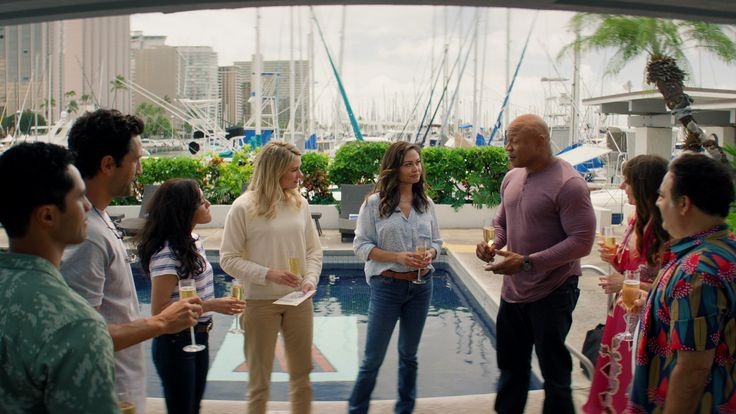
NCIS: Hawaiʻi wasn’t just checking boxes. It showcased Pacific Islander culture, strong female leadership, LGBTQ+ representation, and complex family dynamics—all within a procedural format.
It blended comfort-TV familiarity with modern storytelling.
And here’s the hard truth: we can’t afford to walk backward when progress finally feels natural.
The Importance of Cultural Setting
Hawaiʻi wasn’t just a backdrop—it was a character.
The show leaned into its location. Military presence, island politics, local traditions, and community dynamics weren’t surface-level details. They shaped the cases. They shaped the people.
That specificity gave the series identity.
In a crowded procedural market, identity is everything.
The Emotional Core That Hooked Viewers
Procedurals live and die by emotional investment.
NCIS: Hawaiʻi understood that.
Family—Both Found and Biological
Jane Tennant’s home life wasn’t an afterthought. Her role as a mother mattered. It influenced her decisions. It grounded her.
Meanwhile, her team operated like a chosen family—banter, loyalty, tension, trust.
When viewers care about characters beyond the weekly case, they stick around.
That’s not luck. That’s smart writing.
The Ripple Effect of Cancellation
When a long-running franchise cancels a successful spinoff, it sends a message.
It tells audiences: stability isn’t guaranteed.
It tells creatives: even strong numbers may not protect you.
And it tells fans: don’t get too attached.
That’s dangerous territory in an era where loyalty is already fragile.
Social Media Backlash Was Immediate
Within hours of the cancellation news, fans mobilized. Petitions. Hashtags. Campaigns.
Why such a strong reaction?
Because viewers didn’t feel like they lost “just another show.” They felt like they lost momentum—progress that had finally clicked.
Franchise Strategy in the Streaming Era
Let’s talk strategy.
Traditional networks now compete with global streamers. Retention matters more than ever. Spinoffs help build universes that keep viewers invested long-term.
Look at how interconnected storytelling works in other franchises. Engagement multiplies.
So canceling a functioning branch of a franchise tree? That’s not just pruning. It risks weakening the ecosystem.
Consistency Builds Trust
Audiences trust brands that deliver reliability.
The NCIS name has historically meant that.
Removing a stable installment can shake that trust—even if temporarily.
And trust, once cracked, takes effort to rebuild.
The Human Element Behind the Headlines
Behind ratings charts and strategy decks are real people—cast, crew, writers, production teams.
Shows like NCIS: Hawaiʻi create jobs. Build careers. Offer representation. Inspire aspiring creatives.
When something meaningful ends abruptly, it reverberates beyond television.
Why This Feels Bigger Than One Show
Here’s the heart of it:
The cancellation feels symbolic.
It raises a question many viewers quietly ask: When shows finally reflect the real world more accurately, why are they still considered expendable?
That’s why “we can’t afford to allow that to happen” resonates so strongly.
It’s not just about a series. It’s about momentum.
Could Revival Be Possible?
In today’s landscape? Never say never.
Streaming platforms frequently revive canceled series when fan demand proves strong enough.
The NCIS brand still holds weight. The audience is still there. And the storytelling potential hasn’t dried up.
Sometimes endings aren’t permanent—they’re pauses.
Lessons Networks Should Learn
If there’s one takeaway here, it’s this:
Bold steps forward deserve protection.
Audiences reward authenticity. They reward diversity done right. They reward strong female leadership when it’s written with depth.
NCIS: Hawaiʻi delivered those elements without sacrificing franchise DNA.
That balance is rare.
And rare things shouldn’t be discarded lightly.
The Legacy NCIS: Hawaiʻi Leaves Behind
Even in cancellation, the show made an impact.
It expanded the NCIS universe in tone and perspective.
It proved that procedural dramas can evolve without losing their core.
It demonstrated that representation and mainstream appeal are not mutually exclusive—they strengthen each other.
And maybe most importantly, it reminded viewers that their voices still matter.
Conclusion: We Can’t Afford to Step Backward
Television shapes culture. It reflects who gets to lead, who gets to be heard, and whose stories are worth telling.
When NCIS: Hawaiʻi stepped onto the stage, it carried the weight of a legacy—and it handled it with confidence.
Canceling it may have been a business decision. But the conversation it sparked? That’s cultural.
We can’t afford to allow meaningful progress to quietly disappear. And NCIS: Hawaiʻi certainly didn’t go quietly.
Its impact remains. Its fans remain. And the lesson is clear: evolution isn’t optional—it’s essential.
FAQs
1. Why was NCIS: Hawaiʻi canceled despite solid ratings?
While the show maintained steady viewership, network strategy, budget considerations, and scheduling shifts likely influenced the decision.
2. Was NCIS: Hawaiʻi connected to other NCIS series?
Yes, it exists within the broader NCIS franchise and featured crossover potential within the shared universe.
3. Who played the lead role in NCIS: Hawaiʻi?
Vanessa Lachey portrayed Special Agent in Charge Jane Tennant, marking the first female lead in the franchise.
4. Could NCIS: Hawaiʻi be revived by a streaming platform?
It’s possible. Fan campaigns and strong engagement sometimes influence revivals in today’s streaming landscape.
5. What made NCIS: Hawaiʻi stand out from other procedural dramas?
Its blend of franchise familiarity, strong female leadership, cultural specificity, and emotional storytelling set it apart.