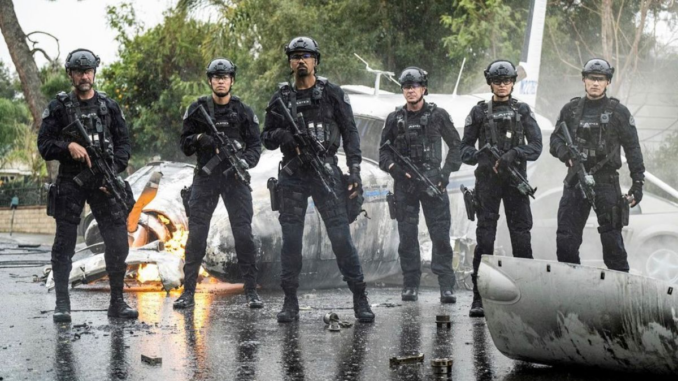
If a S.W.A.T. Member Had to Sacrifice Their Life, Who Do You Think It Would Be?
If a S.W.A.T. Member Had to Sacrifice Their Life, Who Do You Think It Would Be?
Let’s confront the question no fan wants to ask.
If S.W.A.T. ever decided to deliver a devastating, irreversible loss… who would it be?
Not who we fear losing.
Not who we love the most.
But who makes narrative, emotional, and strategic sense?
Because in long-running action dramas, sacrifice isn’t random. It’s purposeful. It reshapes the story. It redefines stakes. It leaves a scar the show never fully erases.
Let’s analyze this like storytellers, not just fans.
Why a Major Character Death Would Change Everything
S.W.A.T. thrives on danger, but core members almost always survive. That stability creates comfort.
But comfort can dull suspense.
A true sacrifice would:
-
Elevate future stakes
-
Deepen emotional realism
-
Challenge leadership
-
Permanently shift team dynamics
The right loss wouldn’t just shock—it would transform the DNA of the series.
The Leader Is Usually Safe… But Is He?
Could Hondo Be the One?
Daniel “Hondo” Harrelson is the heart of the team. Removing him would be seismic.
From a storytelling standpoint, killing the central figure is high-risk. It could either redefine the show—or destabilize it completely.
Why It’s Unlikely
Hondo represents the show’s moral center. His leadership philosophy anchors every conflict.
Eliminating him would require a full narrative reboot. Networks rarely gamble that aggressively unless concluding a series.
So while emotionally devastating, it’s strategically improbable.
The Veteran Shield – Deacon’s Sacrifice?
The Emotional Weight of Family
David “Deacon” Kay carries something narratively powerful: a family.
When a character with deep family ties sacrifices himself, the ripple effect multiplies.
The grief extends beyond the team—it hits spouses, children, community.
Why It Makes Narrative Sense
Deacon embodies duty and loyalty. A final act of protection would align perfectly with his identity.
It would devastate Hondo. It would fracture the team. It would raise the emotional stakes permanently.
If the writers wanted maximum impact with thematic coherence, Deacon becomes a strong candidate.
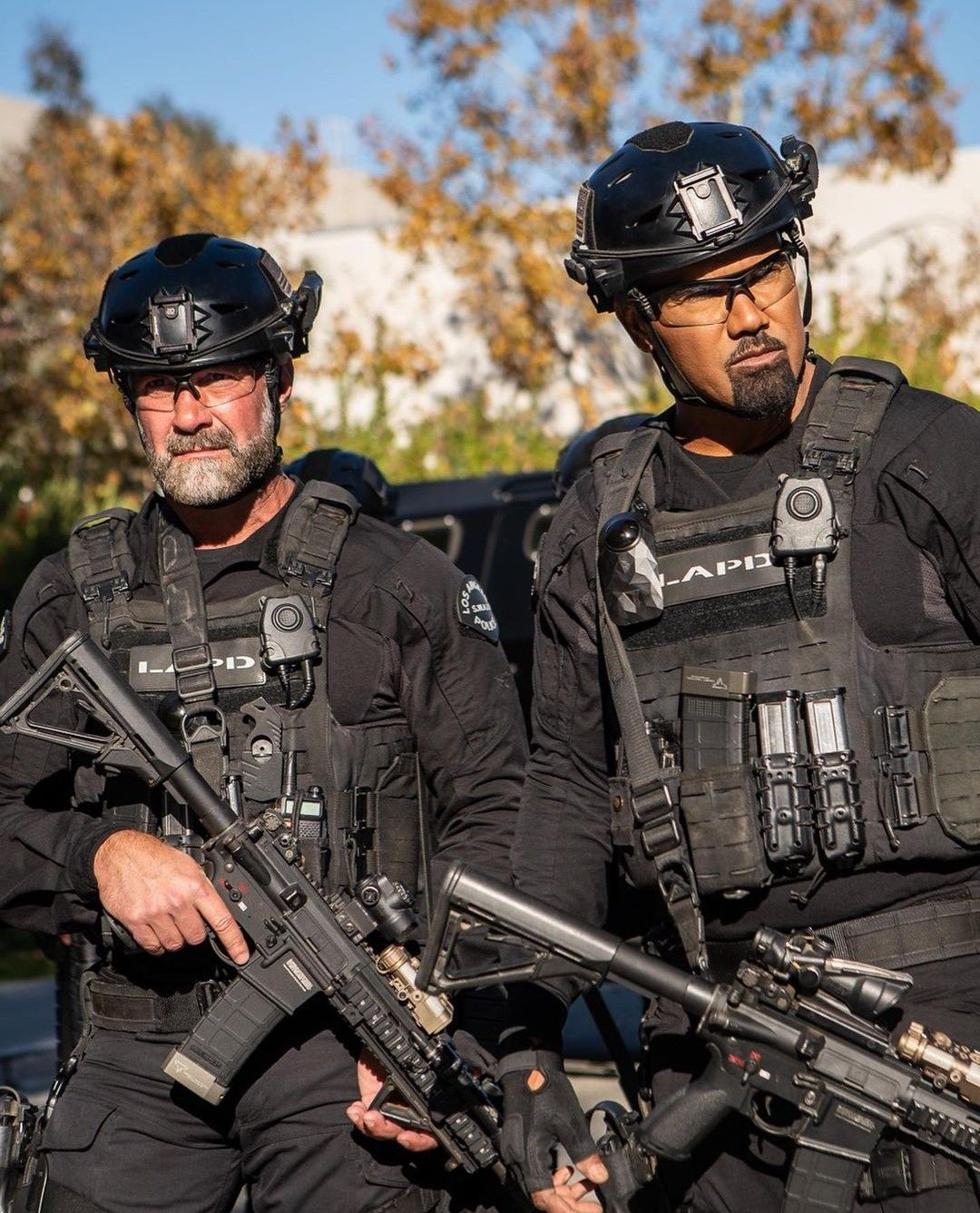
The Redemption Arc – Street’s Ultimate Choice
From Reckless Rookie to Heroic Sacrifice
Jim Street has experienced one of the strongest growth arcs in the series.
Imagine this: the once-impulsive rookie makes the ultimate calculated sacrifice to save his team.
That’s poetic symmetry.
Why It Would Hurt So Much
Street represents evolution. Losing him would symbolize lost potential. It would hit younger viewers hardest.
But narratively, redemption through sacrifice is a classic arc.
It fits.
The Loyal Heart – Luca’s Tragic Exit
The Glue of the Team
Dominique Luca often functions as emotional glue.
He brings levity. Loyalty. Brotherhood.
Removing that warmth would darken the series instantly.
The Psychological Impact
Luca’s death wouldn’t just shock—it would emotionally destabilize morale.
Sometimes shows remove the character who keeps spirits high to explore how teams survive without light.
From a dramatic lens, that’s powerful.
The Bold Choice – Chris Alonso
Strength and Symbolism
Christina “Chris” Alonso represents resilience and evolution within the unit.
Her sacrifice would carry symbolic weight—strength, equality, tactical excellence.
Why It Would Resonate
Chris consistently proves herself under pressure. A selfless act to save civilians or teammates would align with her fearlessness.
It would also shift gender representation dynamics within the show.
Narratively bold. Emotionally brutal.
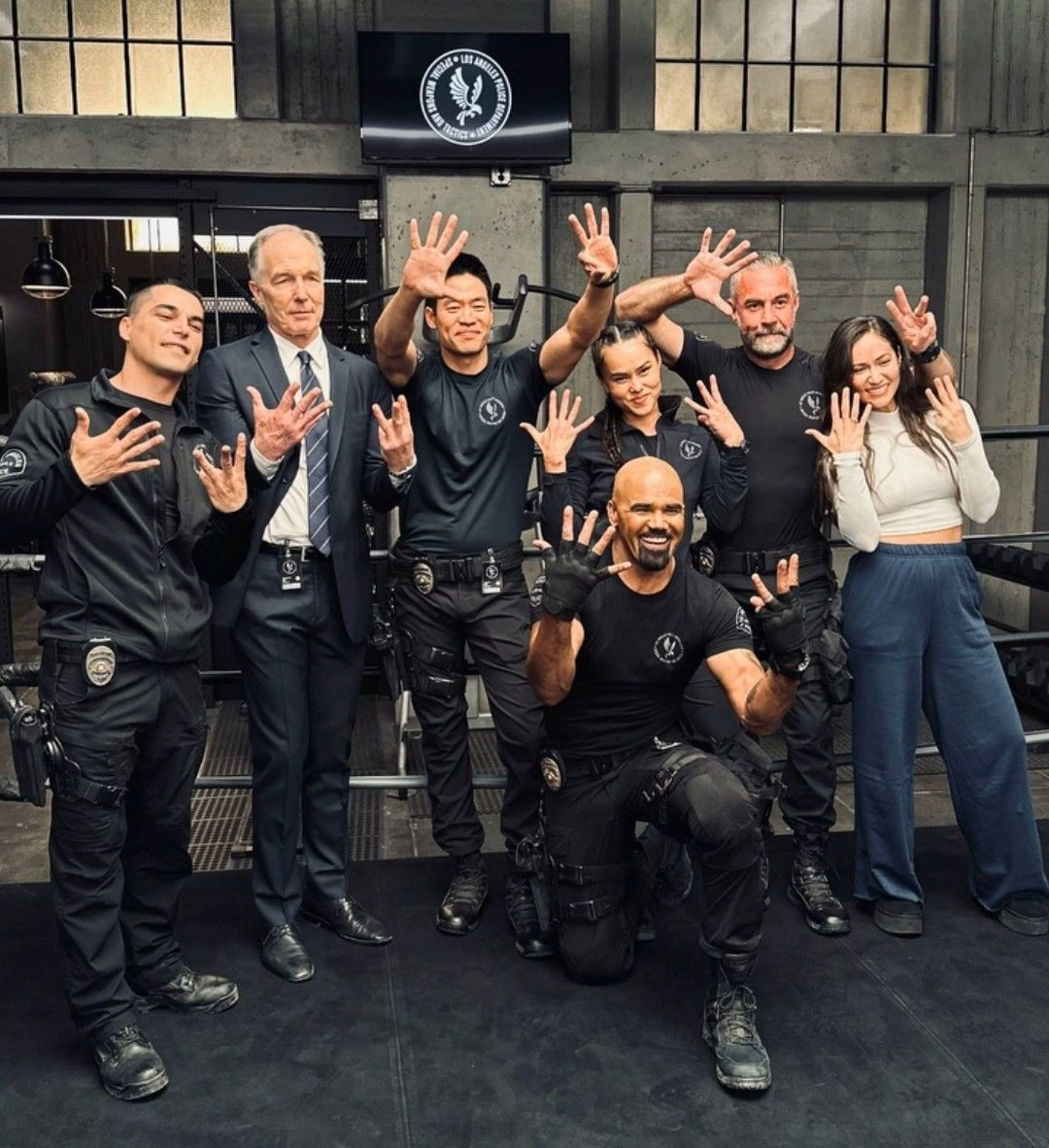
What Makes a Sacrifice Narratively Justified?
A meaningful on-screen sacrifice must:
-
Align with the character’s established values
-
Occur at a peak emotional moment
-
Trigger irreversible change
-
Reshape leadership dynamics
Shock for shock’s sake feels hollow. Purposeful sacrifice feels legendary.
The Most Strategic Choice
If we remove emotion and analyze structure:
-
Hondo is too central.
-
Street still represents future storytelling runway.
-
Chris represents modern progression.
That leaves Deacon or Luca as narratively viable without dismantling the show’s core framework.
Between them?
Deacon’s sacrifice would hit harder across every dimension—personal, professional, moral.
The Emotional Fallout Scenario
Imagine the aftermath:
Hondo questions leadership decisions.
Street spirals into guilt.
Luca loses his closest brother.
The team hesitates in future missions.
A sacrifice reshapes confidence. It lingers in hesitation during split-second decisions.
That kind of psychological consequence elevates storytelling maturity.
Would the Show Actually Do It?
That’s the real question.
Procedural dramas often flirt with danger but avoid permanent loss to maintain consistency.
However, as series age, writers sometimes introduce irreversible events to reignite urgency.
If S.W.A.T. ever needs a defining moment—a legacy-defining episode—a sacrifice could deliver it.
Why Fans Secretly Expect It One Day
The show’s stakes continue escalating. Threats grow more complex. Missions feel riskier.
Eventually, escalation demands consequence.
And when consequence arrives, it must feel earned.
The right sacrifice would not feel random.
It would feel inevitable.
So… Who Would It Be?
If we weigh narrative logic, emotional gravity, and structural stability:
Deacon stands as the most plausible candidate.
His sacrifice would:
-
Align with his values
-
Deeply impact every team member
-
Reshape leadership dynamics
-
Preserve the show’s continuity
It would hurt. It would linger. It would matter.
And that’s what true sacrifice in storytelling requires.
Conclusion: Sacrifice Is About Meaning, Not Shock
If S.W.A.T. ever crosses that line, it won’t be for spectacle. It will be for transformation.
The most impactful loss isn’t the most popular character. It’s the one whose absence reshapes everyone else.
That’s why Deacon emerges as the strongest narrative candidate.
But here’s the deeper truth:
Any sacrifice would redefine the team forever.
Because once a hero falls, the mission changes.
Not tactically.
Emotionally.
FAQs
1. Has S.W.A.T. ever killed a main team member?
The series has introduced high-risk scenarios, but core team members have largely remained intact.
2. Would killing a major character improve the show?
If executed with purpose and lasting consequences, it could deepen emotional stakes.
3. Why is Deacon the most likely candidate?
His character arc, family ties, and moral consistency make his sacrifice narratively impactful.
4. Could Hondo realistically be written off through sacrifice?
It’s possible but highly unlikely due to his central leadership role.
5. Would fans accept a major character death?
Acceptance would depend on execution. Meaningful storytelling earns emotional buy-in.