Is S.W.A.T. Getting Better or Repeating Itself?
Is S.W.A.T. Getting Better or Repeating Itself?
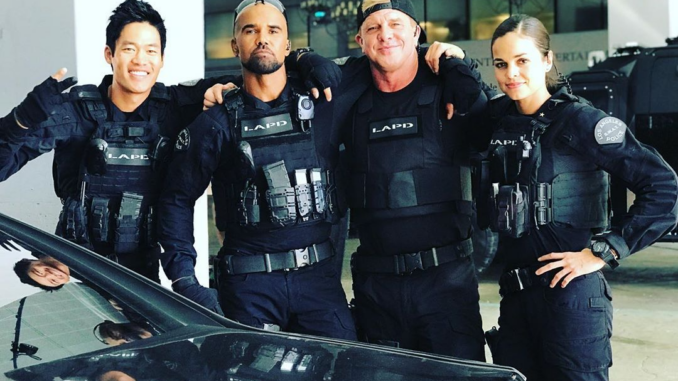
When S.W.A.T. first hit primetime, it felt electric. High-stakes raids. Tight-knit tactical dynamics. Real-world social tension woven into explosive action. And at the center of it all, Daniel “Hondo” Harrelson, a leader balancing badge and community with steady intensity.
But after multiple seasons, a question lingers in fan discussions:
Is S.W.A.T. evolving into something sharper and deeper—or quietly looping through the same formula?
Let’s break it down strategically, not emotionally.
The Formula That Made S.W.A.T. Work
Before judging repetition, we need to define the blueprint.
S.W.A.T. thrives on three pillars:
-
Tactical operations with cinematic pacing
-
Interpersonal team dynamics
-
Social commentary grounded in urban policing
Each episode typically blends a high-risk mission with character-driven subplots. It’s structured. It’s efficient. It’s reliable.
Reliability builds loyalty.
But reliability can also breed predictability.
Action Sequences – Sharper or Familiar?
Bigger Scale, Higher Stakes
Over time, the show expanded its operational scope. Missions feel larger. Threats appear more complex. International elements occasionally surface.
That escalation signals growth.
H4: Or Just Louder Versions of the Same Structure?
Here’s the counterpoint: most episodes still follow a recognizable rhythm—briefing, complication, tactical maneuver, emotional fallout.
The choreography improves. The cinematography sharpens. But structurally? The pattern remains intact.
Is that consistency—or creative stagnation?
Character Development – Genuine Growth or Reset Cycles?
Hondo’s Ongoing Moral Conflict
Hondo continues navigating leadership under political pressure. His character deepens through ethical dilemmas and institutional tension.
That’s layered writing.
Yet some arcs revisit familiar territory—trust struggles, departmental conflict, balancing personal and professional identity.
Growth happens, but occasionally it feels like two steps forward, one step back.
Deacon’s Stability Arc
David “Deacon” Kay represents tradition and stability. His storyline emphasizes faith, family, and duty.
The show reinforces his consistency, which works dramatically—but rarely disrupts expectations.
Stable characters ground the narrative. But too much stability can flatten surprise.
Street’s Evolution
Jim Street arguably shows the most visible growth. From impulsive rookie to disciplined operator, his trajectory feels earned.
However, occasional regressions into emotional volatility create narrative tension—sometimes organically, sometimes conveniently.
Is that realism? Or repetition?
Social Commentary – Expanding or Recycling?
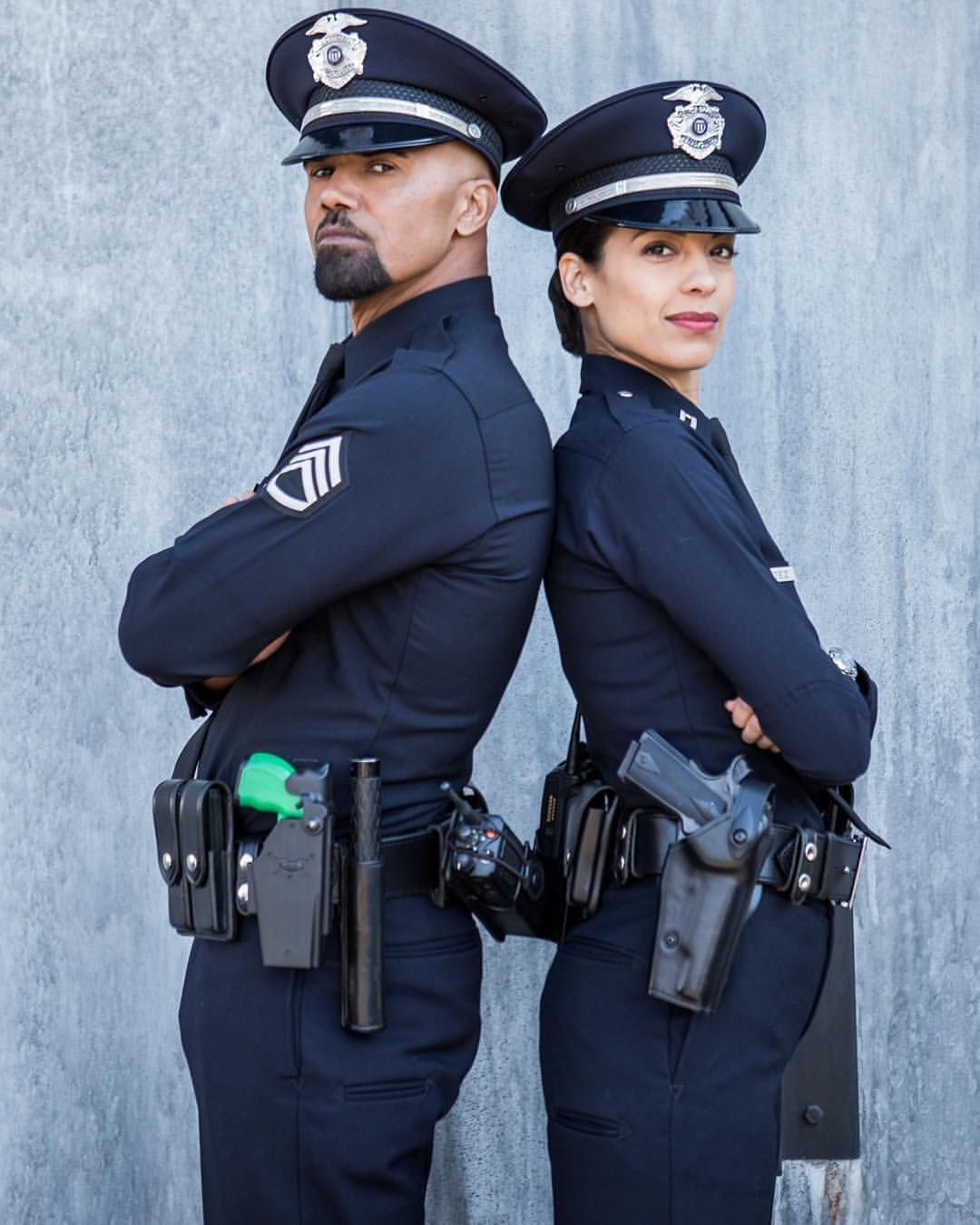
One of S.W.A.T.’s strongest assets is its willingness to tackle contemporary issues—policing ethics, systemic tension, community trust.
That thematic ambition elevates it beyond pure action drama.
Yet certain conversations resurface with similar framing across seasons. The intention remains strong. The execution sometimes echoes prior episodes.
When commentary revisits familiar beats, it risks feeling cyclical rather than progressive.
The “Case of the Week” Structure
Procedural Comfort
S.W.A.T. operates within a procedural framework. That means new threats each week. New criminals. New urgency.
Procedurals thrive on structure. Viewers know what they’re getting.
The Cost of Structure
But here’s the tension: when stakes reset each episode, long-term consequences can feel diluted.
If every crisis resolves cleanly, does the danger retain weight?
Serialized dramas evolve through irreversible change. Procedurals survive through contained resolution.
S.W.A.T. walks that tightrope constantly.
Emotional Stakes – Rising or Plateauing?
Early seasons leaned heavily on internal conflict—loyalty clashes, identity struggles, trust fractures.
Later seasons focus more on operational threats and broader narratives.
Some fans interpret this as maturation. Others see emotional intensity leveling off.
The heart of the show lies in character vulnerability. If that softens, repetition becomes more noticeable.
Production Quality – Undeniable Improvement
Let’s be objective.
Cinematography has improved. Action sequences feel tighter. Sound design hits harder. Direction shows confidence.
Technically, the show is stronger.
But technical excellence doesn’t automatically equal narrative innovation.
Audience Expectations and Longevity Pressure
Long-running series face a paradox: innovate too aggressively, and you alienate loyal viewers. Stay too consistent, and you risk monotony.
S.W.A.T. appears to prioritize brand identity—controlled intensity, tactical realism, moral complexity.
That choice stabilizes the fan base.
But it limits radical reinvention.
Are We Confusing Comfort With Repetition?
Here’s a harder question.
Do we crave novelty—or do we crave familiarity wrapped in slight variation?
The S.W.A.T. formula delivers emotional adrenaline in a predictable structure. That predictability feels safe. It’s a weekly ritual.
Repetition isn’t always a flaw. Sometimes it’s a feature.
Think of it like a favorite workout routine. The movements stay similar. The resistance increases.
Is the show adding resistance?
Or running the same circuit?
Signs of Creative Expansion
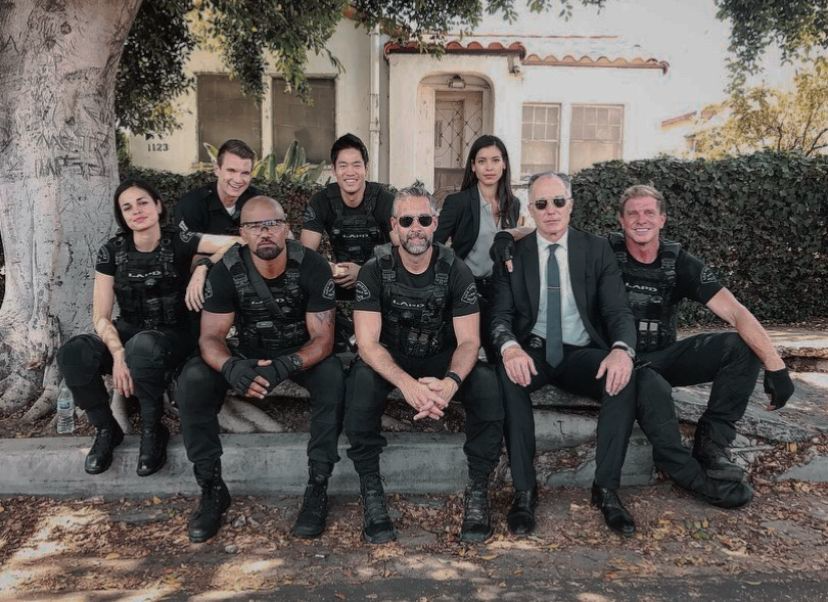
There are moments where the series pushes boundaries—unexpected character exits, political shakeups, moral ambiguity without easy answers.
Those episodes feel alive. Risky. Uncertain.
When the writers lean into those risks, the show undeniably improves.
The question is consistency.
What Would True Evolution Look Like?
If S.W.A.T. wanted to fully evolve, it could:
-
Introduce irreversible consequences for core members
-
Shift team hierarchy in a lasting way
-
Allow long-term story arcs to reshape operational structure
-
Challenge Hondo’s leadership philosophy more radically
Real evolution disrupts comfort.
Are the writers ready for that?
So… Is S.W.A.T. Getting Better or Repeating Itself?
The honest answer?
It’s doing both.
Technically, it’s stronger. Performances are sharper. Action feels cinematic.
Structurally, it remains faithful to its procedural DNA. Familiar rhythms persist.
Improvement and repetition are not opposites. They coexist.
S.W.A.T. refines its formula rather than abandoning it.
And whether that feels satisfying depends on what you’re looking for.
Conclusion: Refinement Over Reinvention
S.W.A.T. hasn’t transformed into a radically different show. It hasn’t reinvented its core architecture.
Instead, it has polished it.
For some viewers, that’s evolution. For others, it feels cyclical.
But here’s the truth: longevity in television often depends on disciplined consistency rather than dramatic reinvention.
S.W.A.T. chooses refinement over revolution.
The real question isn’t whether it repeats itself.
It’s whether you still enjoy the rhythm.
FAQs
1. Has S.W.A.T. changed significantly since its first season?
Yes in production quality and character depth, but its procedural structure remains consistent.
2. Is repetition common in procedural dramas?
Absolutely. Procedurals rely on familiar frameworks to maintain viewer loyalty.
3. Are later seasons less emotional?
Not necessarily less emotional, but they emphasize operational stakes more than early interpersonal tension.
4. What keeps S.W.A.T. engaging despite formula?
Strong performances, evolving social commentary, and well-executed action sequences.
5. Would a major shake-up improve the show?
Potentially. Long-term consequences or structural changes could inject fresh unpredictability.