
There’s a Truth About Mel and Jack That Fans Rarely Dare to Mention
There’s a Truth About Mel and Jack That Fans Rarely Dare to Mention
If you’ve watched Virgin River, you already know the drill. Soft lighting. Slow-burning tension. Lingering looks across the bar. Emotional confessions under a sky full of stars.
And right at the center of it all? Melinda “Mel” Monroe and Jack Sheridan.
They’re the heart of the show. The couple fans defend. The relationship people romanticize.
But here’s the truth hardly anyone says out loud:
Their love story is built on trauma before it’s built on stability.
Let’s unpack that.
The Chemistry Is Real—But So Is the Emotional Baggage
No one denies the chemistry. From the moment Mel walks into Jack’s bar, the tension feels electric. It’s immediate. It’s magnetic.
But attraction isn’t the same as emotional readiness.
Mel arrives grieving her late husband. Jack is battling PTSD, complicated fatherhood issues, and lingering feelings from his previous relationship. They connect quickly—almost urgently.
Ask yourself: is that romance… or emotional survival instinct?
Sometimes two broken people recognize familiarity in each other’s pain. That recognition feels like destiny. But sometimes it’s just shared vulnerability.
Falling Fast Doesn’t Mean Falling Right
The Speed of Their Relationship
Mel and Jack don’t exactly take it slow. They move from strangers to emotional anchors in record time.
When grief and trauma are involved, fast attachment can feel safe. It’s like grabbing onto something solid in the middle of a storm.
But storms distort perspective.
Are they choosing each other because they’re fully healed? Or because they’re both drowning and finally found someone who understands the water?
Trauma Bonding vs. True Compatibility
What Is Trauma Bonding?
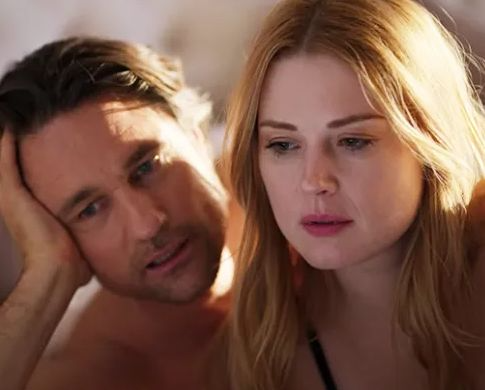
Trauma bonding happens when intense emotional experiences create powerful attachment. It’s deep. It’s passionate. It feels life-altering.
Sound familiar?
Mel and Jack’s connection forms during moments of crisis, vulnerability, and emotional exposure. They share raw stories quickly. They open wounds early. That accelerates intimacy.
But intimacy built in crisis isn’t always sustainable once life calms down.
Emotional Safety or Emotional Dependency?
There’s a thin line between feeling safe with someone and depending on them to regulate your emotions.
Jack often positions himself as Mel’s protector. Mel frequently steps into the role of emotional caretaker. It’s beautiful. It’s tender.
But it also raises a question fans rarely confront: are they supporting each other—or carrying each other?
The Savior Complex in Romantic Form
Jack wants to fix things. That’s who he is. He protects. He shields. He sacrifices.
Mel nurtures. She heals. She absorbs pain.
Individually, those traits are admirable. Together, they can create imbalance. When love turns into a rescue mission, pressure builds silently.
Healthy relationships require two whole individuals. Not two people trying to complete each other’s missing pieces.
Conflict Isn’t Just Drama—It’s a Pattern
Look closely at their journey in Virgin River.
Pregnancy complications. Paternity uncertainty. Ex-partners resurfacing. PTSD triggers. Emotional misunderstandings.
Conflict follows them like a shadow.
Of course, drama fuels television. But recurring instability also reveals something deeper: their foundation is constantly being tested.
And foundations matter more than fireworks.
Love in a Small Town Is Never Private
Virgin River isn’t just a setting—it’s a pressure cooker.
Everyone knows everything. Everyone has opinions. Community expectations subtly influence personal decisions.
Mel and Jack don’t just navigate each other. They navigate a town that roots for them, questions them, and watches them.
External pressure can accelerate commitment. But accelerated commitment doesn’t always equal emotional clarity.
Fans Romanticize the Aesthetic
Let’s be honest. The setting does a lot of heavy lifting.
Forests. Cabins. Rivers. Warm bar lights.
The visual softness makes emotional chaos feel poetic. Arguments seem less harsh when they happen under string lights.
But aesthetic comfort can distract from emotional complexity.
Would their relationship feel as dreamy in a gray apartment in a noisy city?
Be honest.
They Love Hard—But Do They Love Healthy?
This is the uncomfortable question.
Mel and Jack undeniably love each other. Their devotion feels sincere. Their sacrifices feel meaningful.
But healthy love requires more than devotion. It requires boundaries, timing, emotional regulation, and personal growth.
Throughout the series, we see growth—but it’s gradual. Painfully gradual.
That’s realistic. And that’s the point.
The Truth Fans Rarely Say Out Loud
Here it is:
Mel and Jack’s love works not because it’s perfect—but because they keep choosing it despite the flaws.
Their relationship isn’t a fairytale. It’s a negotiation between two imperfect people trying to build stability while still healing.
They stumble. They miscommunicate. They react emotionally. They sometimes avoid hard conversations.
And yet—they return to each other.
That persistence is romantic.
But it’s not rosy.
Why Their Story Feels So Addictive
We don’t watch them because they’re flawless. We watch them because they feel human.
Who hasn’t fallen in love while still carrying emotional baggage? Who hasn’t rushed into something because it felt safe? Who hasn’t confused intensity with destiny?
Their story mirrors real-life relationships more than we admit.
It’s messy. It’s complicated. It’s hopeful.
And hope is powerful.
Growth Is the Real Love Story
If you zoom out, the real romance isn’t the grand gestures. It’s the slow character development.
Jack confronting his trauma.
Mel processing grief.
Both learning to communicate instead of react.
That’s the quiet transformation happening beneath the drama.
Love doesn’t fix them. It motivates them to fix themselves.
That’s a huge difference.
So What’s the Takeaway?
The truth about Mel and Jack isn’t that their love is fake.
It’s that it’s fragile.
It survives because they work on it. Because they grow. Because they confront uncomfortable realities.
Fans rarely mention this because it disrupts the fantasy. It’s easier to believe in perfect soulmates than in two flawed people choosing each other daily.
But the daily choice?
That’s the real romance.
Conclusion: Imperfect Love Is Still Love
Mel and Jack aren’t a flawless love story wrapped in mountain mist. They’re two scarred individuals building something steady in unstable terrain.
Their connection is intense. Their journey is turbulent. Their love is real—but it’s layered with grief, fear, and growth.
And maybe that’s why it resonates.
Because deep down, we know love isn’t about perfection. It’s about persistence.
It’s not about never breaking. It’s about rebuilding.
And that’s a truth worth admitting.
FAQs
1. Are Mel and Jack in a toxic relationship?
Not toxic, but complex. Their bond forms under emotional strain, which creates challenges they must actively work through.
2. Is their relationship realistic?
Yes. It reflects how trauma, timing, and emotional growth shape real-world relationships.
3. Why do fans idealize their love story?
The aesthetic setting and strong chemistry create a romantic lens that softens underlying emotional struggles.
4. Does the show address their emotional baggage?
Gradually. Both characters evolve and confront personal issues as the series progresses.
5. What makes their love compelling despite its flaws?
Their willingness to keep choosing each other while growing individually makes the relationship relatable and authentic.