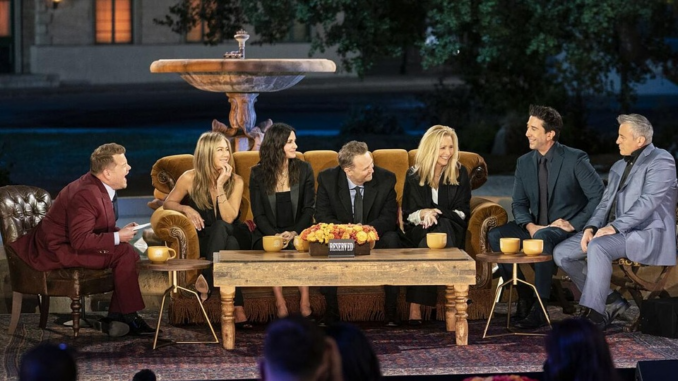
Over three decades ago, an Easter egg-style crossover between Friends and another hit sitcom didn’t just surprise fans — it patched a potential continuity problem before Friends had fully solidified its universe. When Friends debuted in September 1994, it was still finding its footing in the crowded sitcom landscape. At the same time, Mad About You was an established, critically acclaimed comedy with a devoted audience.
The creative solution that brought these two shows together centered on Lisa Kudrow and her dual roles across both series. Kudrow was originally cast as Ursula Buffay on Mad About You, portraying a quirky waitress in New York City. When she joined Friends as Phoebe Buffay, the producers had a dilemma: having the same actress play two unrelated characters in the same city would create an unresolved continuity snag for dedicated viewers. Rather than ignore this, the writers leaned into it in a clever way.
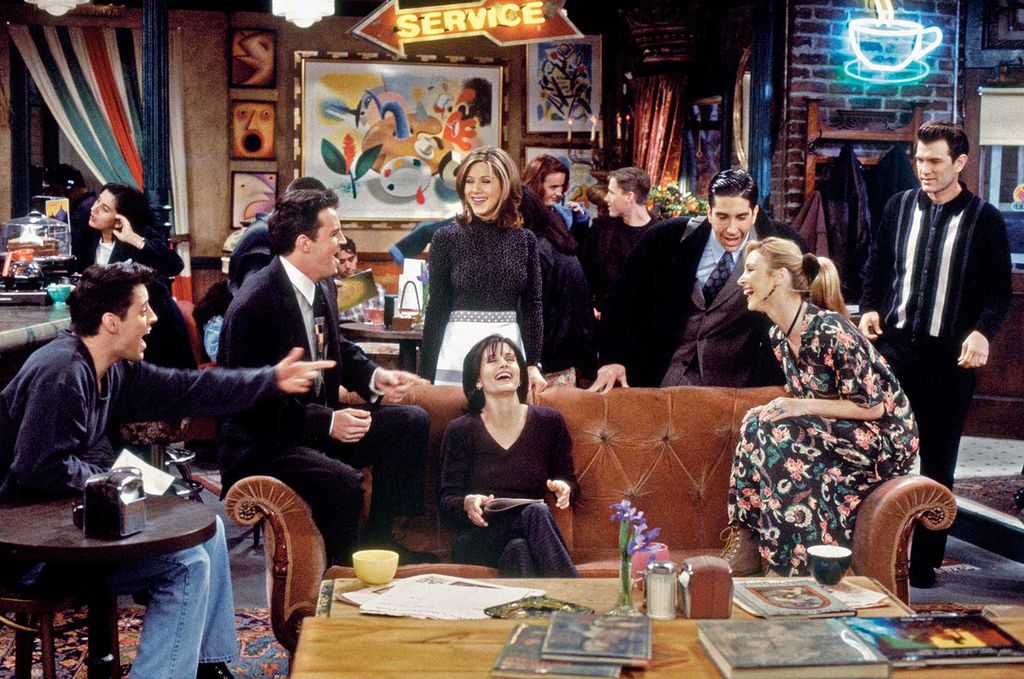
In the February 23, 1995 two-part Friends episode “The One with Two Parts,” the series acknowledged the existence of Ursula by revealing that Phoebe and Ursula were twin sisters. This not only resolved the casting oddity but also tied the worlds of Friends and Mad About You into the same fictional New York City universe. The crossover led to comedic storylines in which Joey Tribbiani briefly dates Ursula, prompting Phoebe to impersonate her twin in an attempt to save the situation.
The impact of this crossover went beyond a single gag. By officially connecting the two sitcoms, the producers gave fans a richer, more interconnected TV universe at a time when Friends was still building its own identity. Ursula continued to recur on Friends as an “evil twin” type, and her presence even carried over into the Mad About You finale, where the character’s surprising political future was teased.
Among the show’s cast, this crossover became one of the earliest standout puzzle pieces that both rewarded observant viewers and reinforced how Friends was willing to play with continuity in inventive ways.