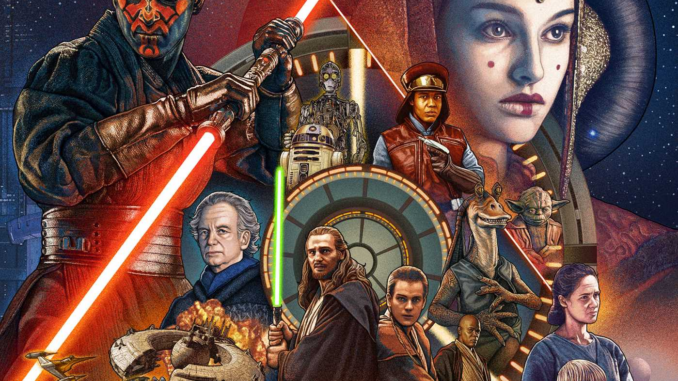
Nearly five decades after A New Hope changed cinema forever, Star Wars remains the most influential film universe of all time—artistically, commercially, and culturally. As the saga approaches its 50th anniversary, the franchise is once again at the center of intense global discussion, driven by bold new film announcements, high-profile casting moves, and the return of beloved icons.
The Rey-Centered Film Sparks Anticipation—and Pressure
One of the most talked-about developments is the upcoming film centered on Rey, with Daisy Ridley officially reprising her role. Set years after The Rise of Skywalker, the project promises to explore Rey’s efforts to rebuild the Jedi Order.
Ridley’s return has ignited passionate debate. Supporters see it as a long-overdue continuation that gives the sequel trilogy’s protagonist deeper narrative grounding. Critics, however, question whether revisiting the Skywalker-era timeline is the right move when so many corners of the galaxy remain unexplored. The pressure is immense: this film is widely viewed as a defining moment that could reshape the franchise’s cinematic future.
The Mandalorian & Grogu Transition to the Big Screen
Meanwhile, excitement is surging around the theatrical expansion of the Disney+ era. The success of The Mandalorian paved the way for a feature film continuation, with Pedro Pascal expected to continue his role as Din Djarin.
The shift from streaming to theaters represents more than a format change—it signals confidence that newer-era characters can command blockbuster status. Industry watchers are closely monitoring whether this transition can recapture the event-level excitement once synonymous with Star Wars theatrical releases.

Legacy Figures Still Command Headlines
Even decades after the original trilogy, legacy actors remain central to fan conversations. The enduring cultural weight of Mark Hamill continues to shape discussions about Luke Skywalker’s legacy and the use of de-aging technology. Similarly, tributes and retrospectives involving Harrison Ford regularly reignite appreciation for the franchise’s roots.
The franchise’s longevity has created a rare dynamic in Hollywood: three generations of performers—from the original trilogy to the prequels and sequels—share overlapping cultural relevance. Few cinematic universes can claim such sustained cross-generational impact.
Casting Rumors and Creative Direction Under Scrutiny
Beyond confirmed projects, casting rumors tied to new Jedi-era stories and Old Republic explorations dominate online discourse. Every potential director attachment, from indie auteurs to blockbuster veterans, becomes instant headline material. The creative direction of the franchise—whether it leans into nostalgia or bold reinvention—remains a lightning rod topic among fans and analysts alike.
Why Star Wars Still Leads the Galaxy
More than 40 years on—now nearly 50—Star Wars endures because it constantly reinvents itself while preserving mythic themes of hope, legacy, and moral conflict. Its influence extends far beyond box office numbers: it reshaped visual effects, franchise storytelling, merchandise strategy, and the modern blockbuster model.
At a time when many long-running franchises struggle to maintain relevance, Star Wars continues to dominate cultural conversation. With new films in development, streaming expansions underway, and legacy actors still commanding attention, the galaxy far, far away shows no sign of fading into hyperspace history.
The real question is no longer whether Star Wars remains influential—it is how its next chapter will redefine influence for an entirely new era of cinema.