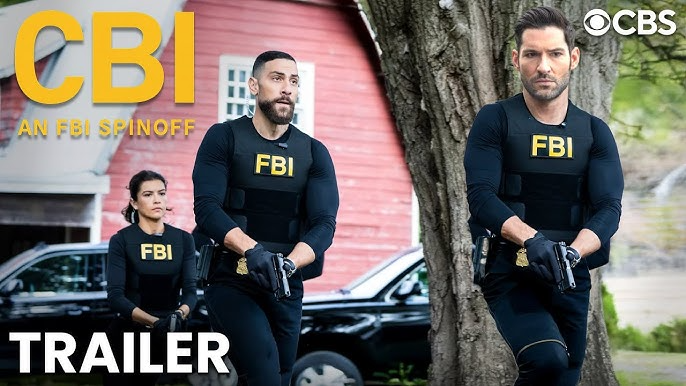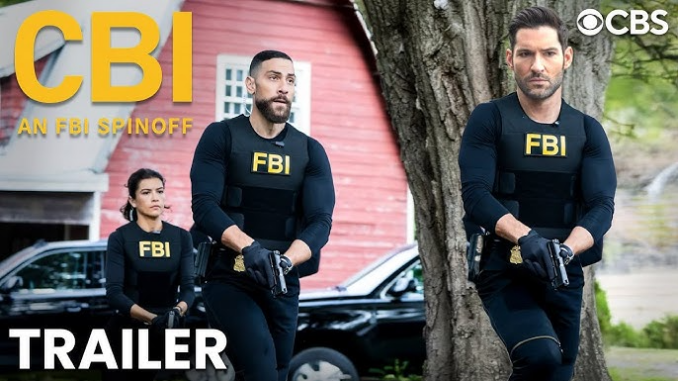
The “Wolf Entertainment” universe is expanding its borders once again, venturing into the shadows of international espionage and the clandestine corridors of Langley. CBS has officially greenlit the latest addition to its powerhouse Tuesday night lineup: FBI: CIA. This bold new spinoff marks a significant departure from the domestic focus of the original series and the fugitive-hunting grit of FBI: Most Wanted, aiming instead to bridge the gap between law enforcement and global intelligence. By introducing the Central Intelligence Agency into the fold, the franchise is set to explore the blurred lines where American soil ends and the rest of the world begins, offering a high-stakes look at the collaboration—and frequent friction—between the Bureau and the Agency.
The premise of FBI: CIA centers on a specialized joint task force designed to handle threats that originate abroad but have a direct, imminent impact on domestic security. Unlike the previous entries in the franchise, which largely follow a “case of the week” procedural format, FBI: CIA is expected to lean into more serialized storytelling, reflecting the long-game nature of intelligence gathering. The show explores the fascinating cultural clash between two very different worlds: the FBI, which operates under the strict constraints of the U.S. legal system to build cases for prosecution, and the CIA, which operates in a world of deniability, assets, and covert influence where the goal is often prevention at any cost.
At the heart of the new series is a duo that promises to rival the chemistry of Maggie Bell and OA Zidan. The spinoff introduces Senior Special Agent Marcus Thorne, a veteran FBI investigator known for his rigid adherence to the law, and CIA Case Officer Elena Vance, a brilliant but cynical operative who has spent the last decade undercover in Eastern Europe. Their partnership serves as the central engine of the show, representing the ideological tug-of-war between the two agencies. While Thorne wants to bring terrorists to justice in a courtroom, Vance is often more concerned with flipping them as assets or neutralizing them before they ever reach a dock. This “odd couple” dynamic, set against the backdrop of global terrorism and cyber warfare, provides a fresh layer of conflict that elevates the procedural formula.
The setting of FBI: CIA also breaks new ground. While the headquarters remains in the high-tech hubs of Northern Virginia and Washington D.C., the narrative frequently jumps to “black sites” and international cities, giving the show a more cinematic, globe-trotting feel similar to FBI: International, but with a darker, more political edge. The production design is rumored to be sleeker and more atmospheric, utilizing the brutalist architecture of government buildings to create a sense of scale and institutional power. The “Joint Operations Center” (JOC) in this series isn’t just a room full of computers; it’s a high-level war room where decisions made at 2:00 AM can change the course of foreign policy by dawn.
One of the most exciting aspects of this expansion is the potential for massive crossover events. Fans are already speculating on how Jubal Valentine’s team in New York might interact with the CIA’s clandestine resources when a case goes global. The introduction of the CIA allows the writers to tackle more complex, ripped-from-the-headlines themes like state-sponsored hacking, election interference, and the moral ambiguities of the “war on terror” that the domestic FBI show usually avoids. It adds a “Prestige TV” layer to the broadcast network schedule, challenging the audience to consider the ethics of national security in an increasingly unstable world.
The timing of the announcement is also strategic. With the original FBI series solidified as a ratings juggernaut, CBS is doubling down on a proven brand. By expanding into the CIA territory, they are effectively building a self-sustaining ecosystem of dramas that can share characters, plotlines, and audiences. FBI: CIA isn’t just a new show; it’s a statement that the franchise is capable of evolving. It moves beyond the badge and the handcuffs to explore the secrets and the tradecraft that keep the country safe behind the scenes.
As we look toward the premiere, the buzz surrounding the casting and the pilot episode is immense. FBI: CIA promises to deliver the same adrenaline-pumping action and high-pressure decision-making that fans love, but with a sophisticated, intellectual twist. It invites viewers into a world where the truth is rarely black and white, and where the greatest enemies are often the ones you can’t see coming. In the crowded landscape of television procedurals, this spinoff stands out by daring to go where the rules are unwritten and the stakes are nothing less than global stability. The expansion of the franchise into the world of the CIA isn’t just a smart business move for CBS; it’s a thrilling new chapter for a universe that has become a staple of modern storytelling.