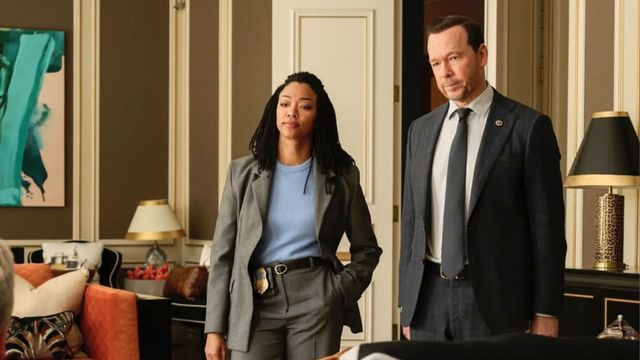
Boston Blue has quickly become one of the most talked-about television dramas of the 2025–2026 season, stirring strong reactions from both critics and longtime fans of its predecessor series. As a Blue Bloods spinoff, the show carries immense expectations — and that has shaped nearly every conversation about its performances, casting moves, and overall quality.
The Most Discussed Actor and Storylines
At the heart of Boston Blue buzz is Donnie Wahlberg, the franchise’s breakout star who reprises his iconic role as Detective Danny Reagan after Blue Bloods concluded after 14 seasons. Wahlberg’s move from New York’s NYPD to the Boston Police Department is a central emotional anchor for the series, and his portrayal has drawn the most attention from fans and reviewers alike. Critics have noted that this familiar face gives Boston Blue its strongest link to the original show’s legacy, and many fan discussions focus on how his character adapts (or resists adapting) to the new city and new supporting cast.
Another major talking point has been the casting change for Danny Reagan’s son, Sean. The role, originally played for years in Blue Bloods by Andrew Terraciano, was recast with Mika Amonsen for Boston Blue, a choice that has divided audiences online. Some viewers praise the fresh energy Amonsen brings to the part, while others argue that replacing a long-beloved performer undercuts emotional continuity.
Alongside Wahlberg and Amonsen, Sonequa Martin‑Green as Detective Lena Silver has also been widely mentioned in discussions. Her chemistry with the ensemble and her role leading the Silver family — a new law-enforcement dynasty in Boston — has become a key focal point as the series builds its own identity distinct from Blue Bloods.
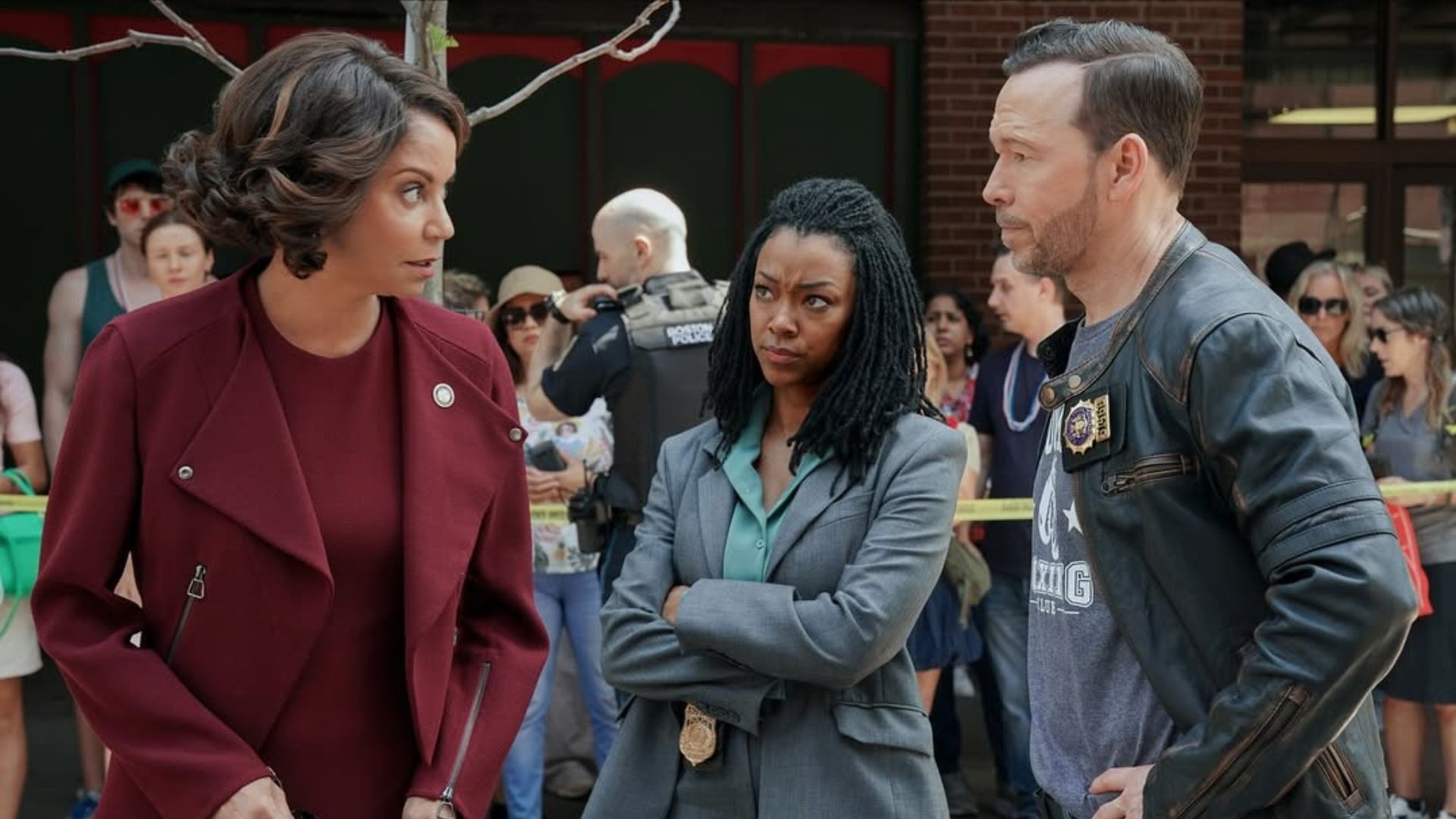
Fan and Critic Reactions: Love, Skepticism, and Heat
The reception to Boston Blue has been a mixture of praise and skepticism:
-
Positive buzz: On review sites, Boston Blue holds generally favorable scores, with critics noting that it “has all the bones” of what made Blue Bloods successful while carving its own path. Early ratings on aggregator sites even placed Boston Blue among the most highly rated entries in the broader franchise, signaling strong critical interest.
-
Fan division: Online forums reflect a far more divided response from viewers. Many longtime fans of Blue Bloods complain that the storytelling feels forced or overly familiar, criticizing the dialogue and character dynamics as weaker than those of the original show. Others feel the procedural aspects and attempts to capture the same family-centric ‘formula’ fall short. Conversely, some fans appreciate the new setting and ensemble, enjoying the Boston backdrop and the expanded family drama with the Silvers.
-
Casting controversies: The recasting of Sean Reagan remains one of the most heated topics. Loyalists to the original portrayal voiced disappointment and a sense of loss, while others support the showrunner’s creative choice to reflect the new chapter’s tone and narrative direction.
How the New Series Compares With Its Predecessor
When comparing Boston Blue to Blue Bloods, several key differences and similarities stand out:
-
Legacy vs. Reinvention: Blue Bloods centered on a large, multigenerational family working within New York’s law enforcement and justice system. Boston Blue retains that family focus but relocates the drama to Boston and introduces an entirely new supporting cast — the Silver family — while keeping Danny Reagan as a bridge between old and new.
-
Tone and Style: Critics have pointed out that Boston Blue feels at once familiar and different. On one hand, it embraces the family dinners, moral dilemmas, and crime procedural beats that defined Blue Bloods. On the other hand, some viewers feel the writing leans too heavily on formulaic elements, making plot twists predictable or emotionally flat compared to its predecessor’s deeper character arcs.
-
Audience Engagement: Despite mixed reviews, the series has strong engagement metrics. It was renewed for a second season just six episodes into its debut run, and viewership numbers helped CBS dominate its Friday night time slot, demonstrating that while opinions vary, Boston Blue has a substantial and growing audience.
Conclusion
Boston Blue sits at a crossroads between legacy fan expectations and the demands of a fresh television drama. With standout performances — particularly by Donnie Wahlberg — and plenty of discussion around its new direction, the series has sparked more conversations than many new shows manage. Whether viewers ultimately see it as a worthy successor to Blue Bloods or a flawed attempt to recapture old magic largely depends on personal attachment to the original and openness to the franchise’s evolution.
As the story unfolds into its second season, one thing is clear: Boston Blue has firmly established itself as one of the most talked-about TV dramas of the year.