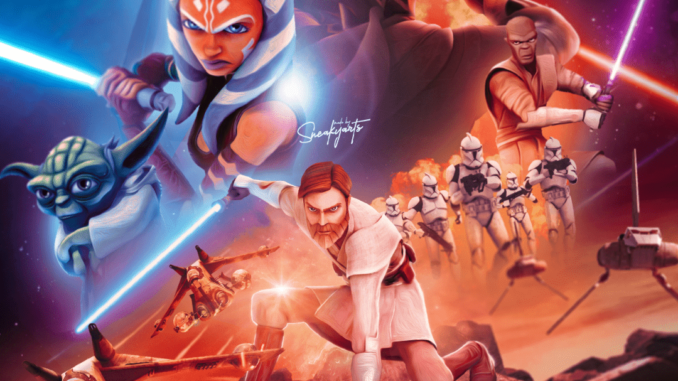
The Star Wars galaxy is once again at the center of heated fan discussions—this time surrounding the much-anticipated storyline tentatively dubbed “The New Republic Rising.” As speculation grows about the political future of the galaxy far, far away, fans are asking one big question: Is Lucasfilm preparing to shift the franchise’s focus from rebellion to governance—and what does that mean for the saga’s next era?
A Turning Point for the Galaxy
Since the fall of the Empire in Return of the Jedi, the New Republic has existed mostly in the background of canon storytelling. While the sequel trilogy—beginning with Star Wars: The Force Awakens—briefly showed its destruction, recent Disney+ series have begun filling in the missing years.
Projects like The Mandalorian and Ahsoka have portrayed the New Republic as fragile, politically divided, and dangerously complacent. Now, insiders and fan communities speculate that “The New Republic Rising” signals a bold narrative pivot: exploring how a victorious rebellion struggles to govern—and how its failures may have paved the way for the First Order.
The Characters at the Center of the Storm
Much of the online debate centers on returning and emerging characters who could shape this era:
-
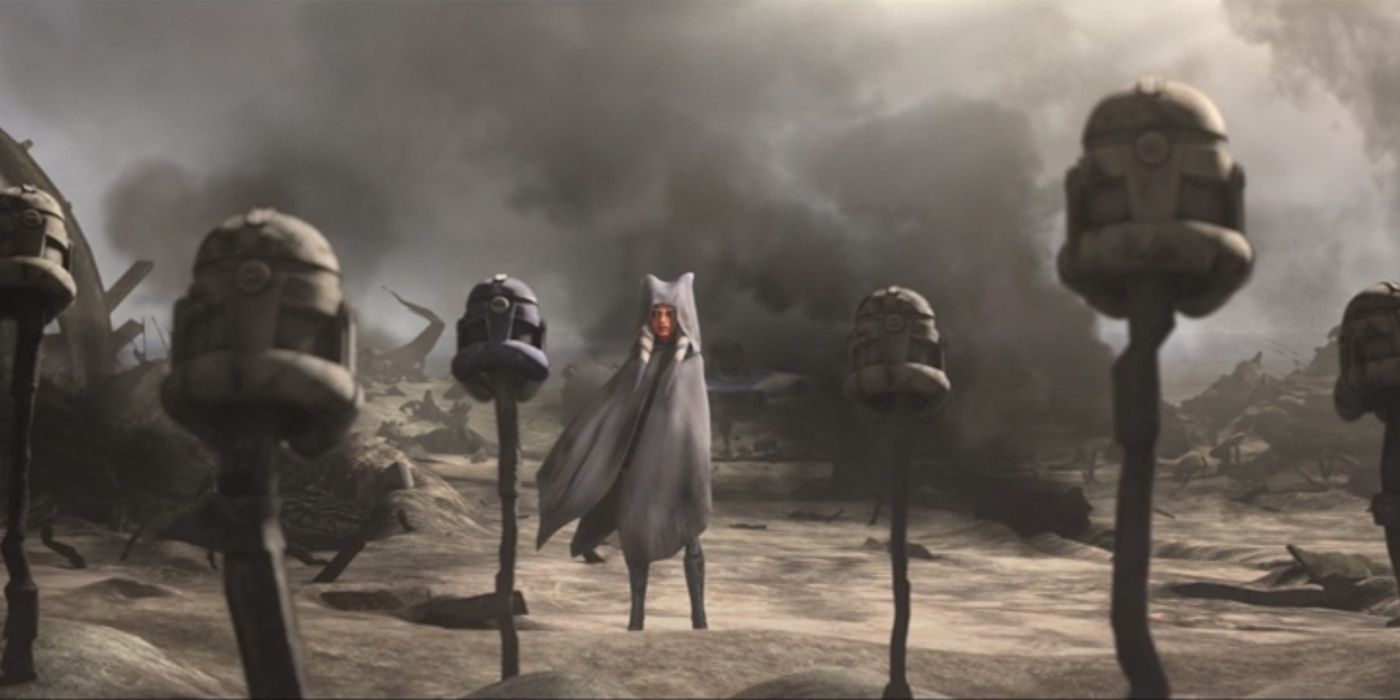
Ahsoka Tano – With her increasing involvement in galactic affairs, fans believe she could serve as a moral counterweight to bureaucratic corruption.
-
Grand Admiral Thrawn – Recently reintroduced into live-action, Thrawn’s strategic genius makes him a looming threat to a still-unstable Republic.
-
Rosario Dawson – Dawson’s portrayal of Ahsoka continues to receive praise, with many calling her performance a cornerstone of the franchise’s current success.
-
Lars Mikkelsen – His chilling live-action debut as Thrawn has reignited excitement among long-time fans of animated Star Wars.
There is also renewed discussion about legacy characters such as Leia Organa, whose political leadership helped shape the New Republic’s foundations. Some fans are speculating about whether future storytelling could further explore her role through archival footage, animation, or recasting debates—an especially sensitive topic within the fandom.
Why This Era Matters
What makes “The New Republic Rising” so compelling is its thematic shift. Instead of focusing purely on heroic resistance, the narrative explores the cost of victory. How do revolutionaries transition into rulers? Can idealism survive political compromise? And is the collapse of democracy inevitable in the Star Wars universe?
This approach signals a more mature, politically complex direction for the franchise—one that aligns with modern audiences craving layered storytelling rather than simple good-versus-evil battles.
The Bigger Picture: Star Wars’ Long-Term Strategy
With multiple interconnected Disney+ series building toward a larger crossover event (reportedly tied to filmmaker Dave Filoni’s long-form vision), fans see “The New Republic Rising” as groundwork for a cinematic culmination. If successful, it could unify streaming storylines into a high-stakes confrontation that reshapes the timeline between the original and sequel trilogies.
In many ways, this era represents a test for the franchise. Can Star Wars evolve beyond nostalgia? Can it deepen its political mythology while retaining its mythic heart?
One thing is certain: the galaxy is no longer just fighting for freedom—it is fighting to govern it. And that battle may prove even more dangerous than rebellion itself.