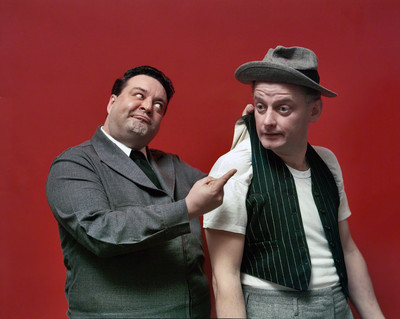
Few sitcom rivalries are as deliciously debatable as the one hiding inside The Honeymooners itself.
Yes, the show was built around Ralph Kramden — the blustering bus driver with sky-high dreams and a volume knob permanently stuck on “loud.” But episode after episode, another figure quietly stole the spotlight: Ed Norton, the mild-mannered sewer worker with impeccable timing and unexpected wisdom.
So let’s settle the argument fans have been having for decades:
Was Ralph the undeniable star…
or was Norton the secret weapon who made the show timeless?
Ralph Kramden: The Explosive Center of the Universe
Played by comedy legend Jackie Gleason, Ralph Kramden was larger than life — sometimes literally filling the frame with his presence.
Ralph was:
-
Ambitious (even if wildly unrealistic)
-
Dramatic to the point of operatic
-
Emotionally transparent
-
Endlessly hopeful despite constant failure
He wasn’t just a character — he was the engine of the show. Every get-rich-quick scheme, every over-the-top meltdown, every tearful reconciliation with Alice revolved around Ralph’s oversized personality.
And that was the point.
In the 1950s, audiences connected deeply with Ralph. He represented the working-class dreamer — flawed but human. Loud but loving. Delusional but determined.
Without Ralph, there is no The Honeymooners.
But here’s the twist: being the center doesn’t always mean being the favorite.
Ed Norton: The Quiet Scene-Stealer
Enter Ed Norton, portrayed by Art Carney — and often described as the show’s secret genius.
Norton was everything Ralph wasn’t:
-
Calm where Ralph was explosive
-
Subtle where Ralph was theatrical
-
Observant where Ralph was impulsive
His physical comedy was effortless. A simple glance, a stiff walk, a raised eyebrow — and the scene belonged to him.
While Ralph exploded with big gestures, Norton delivered precision. His loyalty to Ralph, despite constant chaos, made him deeply endearing. He wasn’t just comic relief — he was emotional balance.
Many critics argue that Norton’s humor has aged better. His softer style feels surprisingly modern, especially compared to Ralph’s frequent shouting and exaggerated authority.
If Ralph was the firework, Norton was the spark that made it glow.
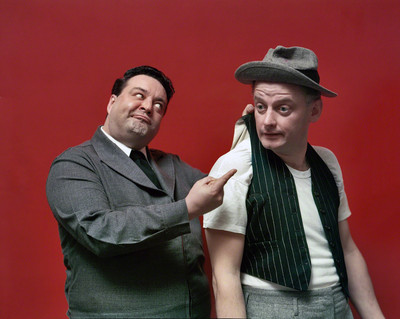
Who Actually Carried the Show?
Let’s break it down:
Ralph gave the show its identity.
His bombastic personality shaped the tone, the rhythm, and the stakes.
Norton gave the show its longevity.
His restraint and warmth added texture and replay value.
Ralph created the chaos.
Norton made it funny.
And in comedy, timing is everything.
The Cultural Impact Factor
There’s no denying Ralph Kramden became the icon. Catchphrases, mannerisms, and pop culture references all trace back to him. Gleason’s performance defined early television comedy.
But awards and critical praise? Those
often leaned toward Art Carney’s nuanced portrayal. Norton wasn’t just a sidekick — he was layered, precise, and surprisingly tender.
It raises a fascinating question:
Did audiences tune in for Ralph… but stay for Norton?
The Modern Verdict
If The Honeymooners premiered today, the dynamic might land differently.
Contemporary viewers often gravitate toward:
-
Emotional intelligence
-
Understated humor
-
Relatable vulnerability
By those standards, Norton feels ahead of his time.
Yet Ralph’s raw ambition and theatricality still resonate — especially in an era obsessed with big personalities and viral energy.
So… Who Was REALLY the Star?
The honest answer might frustrate both sides.
Ralph was the sun.
Norton was the gravity.
One shined the brightest.
The other kept everything in orbit.
Take either one away, and the show collapses.
But if you had to choose the character who felt more lovable, more timeless, and maybe even more essential?
That debate is far from over.
And that’s exactly why The Honeymooners still matters nearly 70 years later.