
A Familiar Legacy, Now Bigger Than Ever
When Boston Blue made its debut, fans immediately recognized its deep roots in the beloved Blue Bloods universe. Built on the legacy of the Reagan family, the series promised continuity, tradition, and moral complexity. But with Season 1’s highly anticipated return, Boston Blue isn’t just honoring that legacy — it’s expanding it in ways no one saw coming.
The introduction of never-before-seen Reagan family members marks a bold new chapter, transforming the Reagan dynasty from a familiar cornerstone into a living, evolving family tree.
Why the Reagan Name Still Matters
For over a decade, the Reagan family symbolized duty, sacrifice, and generational responsibility. Their Sunday dinners became iconic, representing unity amid conflict and personal values tested by public service. Boston Blue carries that symbolism forward, but Season 1’s return makes it clear that the Reagan story was never meant to stay confined to one household or one city.
By expanding the family, the series reinforces a powerful idea: legacy doesn’t stand still — it grows, adapts, and sometimes fractures under pressure.
New Faces, Old Bloodlines
Season 1’s return introduces several previously unseen Reagan relatives, each bringing a fresh perspective to the family’s long-standing traditions. These characters aren’t distant footnotes or throwaway additions. They arrive with history, opinions, and emotional weight that immediately influence the core cast.
Some are tied directly to law enforcement, while others challenge the assumption that every Reagan follows the same path. This diversity within the bloodline creates tension — and opportunity — allowing the show to explore what it truly means to belong to a family defined by service.
Breaking the Myth of the “Perfect” Reagan Family
One of Boston Blue’s most compelling achievements is its willingness to dismantle the myth of Reagan perfection. The new family members arrive carrying unresolved conflicts, past grievances, and long-held secrets. These revelations challenge the polished image fans have associated with the name.
Rather than weakening the Reagan legacy, this honesty strengthens it. The show acknowledges that tradition can be both a source of pride and a burden — especially when expectations span generations.
Boston as a New Stage for an Old Dynasty
Shifting the Reagan spotlight to Boston allows the series to reframe the family’s influence in a fresh environment. The city’s unique political, cultural, and law enforcement landscape creates new ethical dilemmas and power dynamics.
With expanded family ties now embedded in Boston, the Reagan name carries different weight — one shaped by regional history and new alliances. This relocation doesn’t erase the past; it refracts it through a new lens, forcing characters to redefine who they are outside familiar territory.
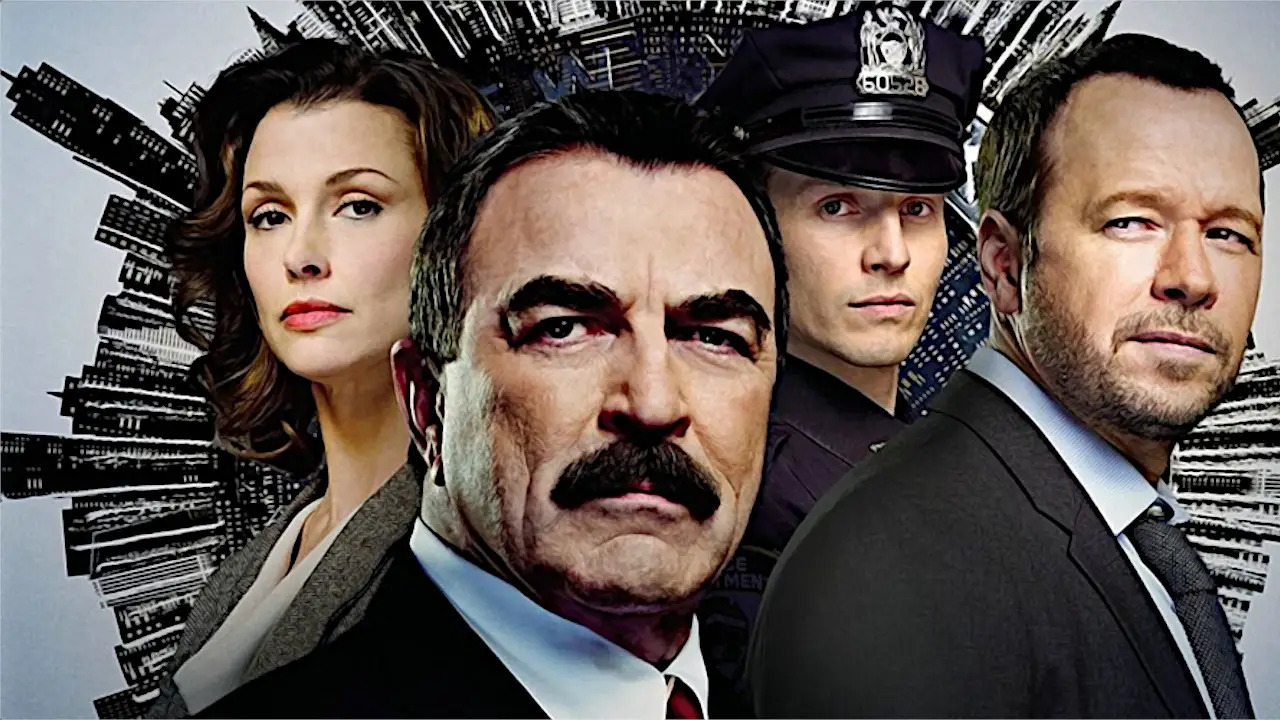
Family Conflict Becomes the Engine of the Story
The arrival of new Reagan family members fuels some of the season’s most emotionally charged storylines. Disagreements over justice, loyalty, and personal freedom take center stage, replacing simple good-versus-evil narratives with deeply personal conflicts.
These aren’t just debates — they’re clashes of identity. When blood ties collide with opposing values, the consequences ripple through both professional and personal lives. Season 1’s return uses these conflicts to drive momentum, ensuring that family drama remains inseparable from procedural storytelling.
A New Generation Steps Into the Spotlight
Among the new additions are younger Reagans who grew up under the shadow of a powerful surname. Their presence allows the show to explore generational pressure in a modern context — one shaped by public scrutiny, shifting cultural values, and skepticism toward authority.
Unlike their predecessors, this generation questions the rules instead of accepting them outright. Their doubts don’t signal weakness; they signal evolution. Through them, Boston Blue asks whether legacy is something you inherit — or something you earn.
Honoring Tradition Without Being Trapped by It
Season 1’s return walks a careful line between reverence and reinvention. Iconic Reagan traditions are referenced and respected, but they no longer dictate every narrative choice. Instead, the show treats tradition as a foundation rather than a ceiling.
This balance allows longtime fans to feel at home while giving new viewers space to connect without encyclopedic knowledge of the past. The expanded family makes the universe feel larger, more inclusive, and more reflective of real-world complexity.

What This Expansion Means for the Franchise
By broadening the Reagan family, Boston Blue positions itself not just as a continuation, but as a transformation of the franchise. The expanded dynasty opens the door to future storylines, spin-offs, and character-driven arcs that extend far beyond a single household.
It also ensures longevity. With more voices, more viewpoints, and more emotional stakes, the series gains narrative flexibility — a crucial ingredient for long-term success.
Fan Reactions: Nostalgia Meets Curiosity
Fans have responded with a mix of nostalgia and excitement. While some initially worried that expanding the family might dilute what made the Reagans special, early reactions suggest the opposite. Viewers appreciate seeing the dynasty treated as a living organism rather than a frozen ideal.
The debut of new family members has reignited discussion, theory-building, and emotional investment — exactly what a franchise revival needs to thrive.
A Dynasty Reborn, Not Replaced
Season 1’s return of Boston Blue makes one thing clear: the Reagan dynasty isn’t being rewritten — it’s being revealed. By introducing never-before-seen family members, the show deepens its emotional core while honoring the values that defined its origins.
This expansion doesn’t erase history; it builds on it. And in doing so, Boston Blue proves that some legacies aren’t meant to end — they’re meant to grow.