
A Quiet Ending That Sparked a Loud Reaction
For a series that lasted more than a decade and built one of television’s most loyal fan bases, Blue Bloods did not go out quietly—but its ending certainly did. What many viewers expected to be a grand, emotional farewell instead felt abrupt, restrained, and painfully understated. The final decision surrounding the show’s conclusion has ignited a wave of backlash, with fans questioning whether the Reagan family truly received the goodbye they deserved.
Almost immediately after the final episode aired, social media platforms lit up with disbelief, frustration, and heartbreak.
A Show Built on Family, Tradition, and Closure
From its very first season, Blue Bloods positioned itself as more than just a police procedural. At its heart, the series was about family—specifically the Reagan family—and the moral, emotional, and generational bonds that held them together. Weekly Sunday dinner scenes became iconic, serving as a ritual that grounded the show and reminded viewers why they kept coming back.
Because of this, fans didn’t just want an ending. They wanted closure. They wanted to see where each Reagan landed, what legacy they left behind, and how their story would be remembered.
The Final Decision That Changed Everything
Instead of a sweeping send-off, the show’s conclusion arrived with minimal buildup and limited emotional payoff. Storylines wrapped up quickly—or not at all—leaving viewers with more questions than answers. Key character arcs appeared to fade out rather than conclude, and moments fans hoped would carry symbolic weight were treated as routine.
For many, it felt less like a finale and more like an episode that simply… stopped.
Fans Feel Robbed of an Emotional Goodbye
The reaction from longtime viewers was swift and intense. Across fan forums and comment sections, one sentiment appeared again and again: This didn’t feel like the end.
Fans expressed disappointment that characters they had followed for years were not given meaningful final moments. Some questioned why the Reagan family’s future was left so open-ended, while others argued that the show failed to honor its own legacy by avoiding emotional risks in its final hour.
For a series that thrived on heartfelt conversations and moral reckoning, the absence of a definitive farewell felt jarring.
Where Was the Final Reagan Family Moment?
Perhaps the most common complaint centered around the lack of a truly powerful Reagan family scene. The Sunday dinner table, long considered the emotional anchor of Blue Bloods, did not deliver the cathartic closure fans expected.
Viewers wanted reflection. They wanted gratitude, acknowledgment of sacrifice, and a sense that the journey mattered. Instead, the moment felt restrained—almost intentionally muted—leaving fans wondering if the show underestimated how deeply audiences were attached to these characters.
Cast Performances Praised, Despite Creative Frustration
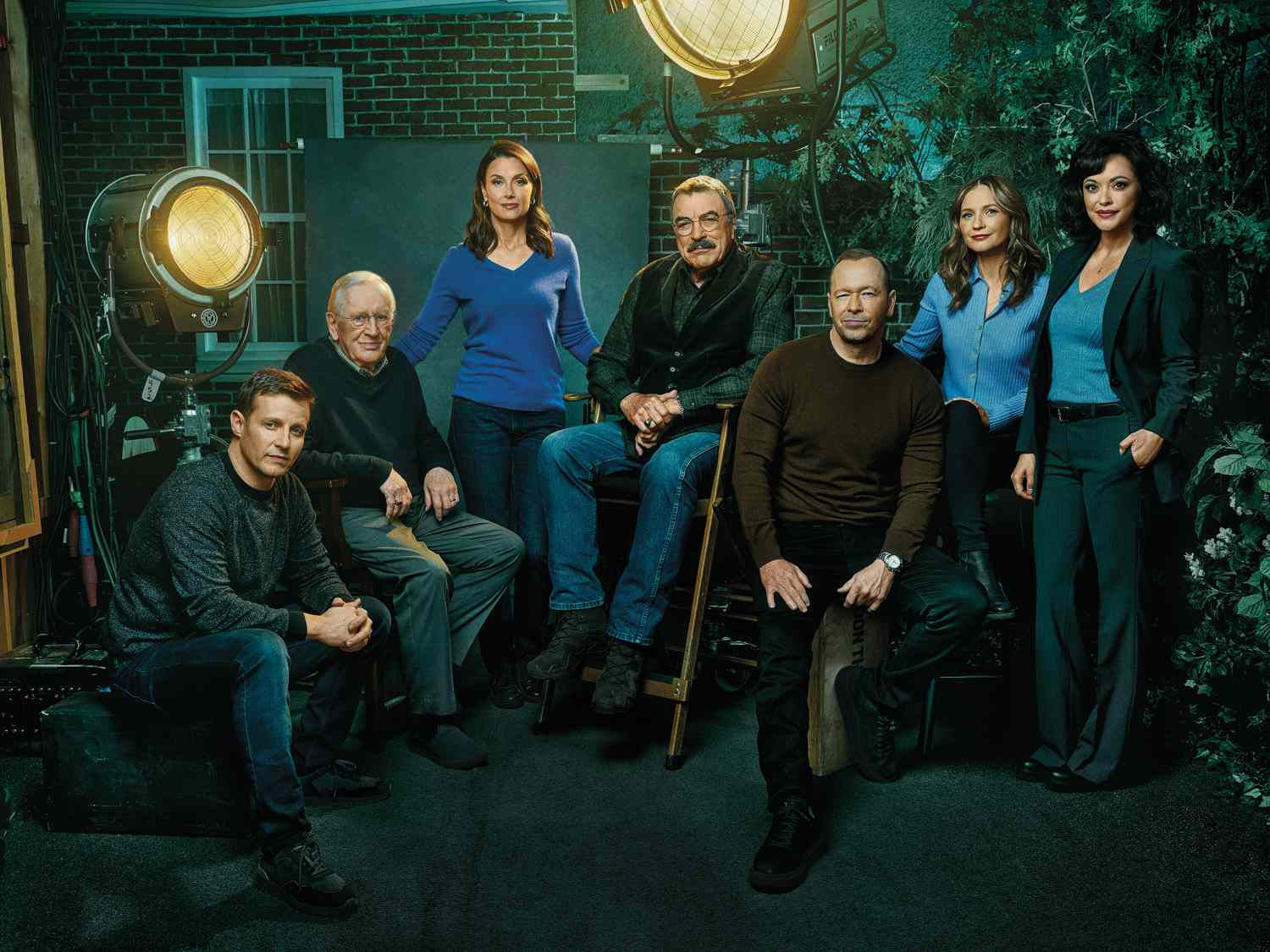
Despite frustration with the final decision, fans were quick to separate the cast from the creative outcome. Performances across the board were praised, with many viewers expressing admiration for how the actors maintained emotional authenticity even within limited material.
There was a strong sense that the cast understood the weight of the moment—even if the script didn’t fully rise to meet it. That contrast only deepened the disappointment, as fans imagined what might have been possible with a more expansive finale.
Was This Really the End—or Just a Pause?
The subdued nature of the ending has fueled speculation. Some fans believe the door was intentionally left open for future revivals, specials, or spinoffs. Others argue that this ambiguity does not excuse the lack of closure, especially for a show that built its reputation on long-form storytelling.
The question now being asked repeatedly online is simple but pointed: If this was truly the end, why didn’t it feel like one?
A Broader Conversation About Network TV Endings
The backlash surrounding Blue Bloods has sparked a larger discussion about how long-running network shows are allowed—or not allowed—to end. In an era of shifting schedules, cost-cutting, and uncertain renewals, finales are often rushed or restrained.
Fans argue that loyalty should count for something. After years of consistent ratings and emotional investment, many believe Blue Bloods earned the right to a fuller, more deliberate farewell.
The Emotional Cost of an Incomplete Goodbye
Television endings matter because they help audiences process loss. For many viewers, Blue Bloods wasn’t just a show—it was a weekly ritual, a familiar comfort, and a reflection of values like family, duty, and integrity.
When that ritual ends without acknowledgment, it leaves a void. Fans aren’t just upset about storytelling choices; they’re grieving the loss of something that felt personal.
Will CBS Respond to the Fan Outcry?
As fan backlash continues to circulate, attention has turned toward the network. While official responses have been limited, viewers are watching closely to see whether CBS acknowledges the reaction—or considers ways to honor the series retrospectively.
Whether through special programming, interviews, or future content tied to the Blue Bloods universe, many fans hope the network will recognize what the Reagan family meant to television history.
Final Thoughts: A Legacy That Deserved More
Blue Bloods will undoubtedly be remembered as one of network television’s most enduring family dramas. Its themes, characters, and moral complexity left a lasting mark. But for many fans, that legacy now carries a bittersweet note.
The final decision may have ended the series, but it also ignited a conversation about respect, closure, and the responsibility storytellers have to the audiences who grow with their characters.
In the eyes of many viewers, the Reagan family didn’t just deserve an ending—they deserved a goodbye.