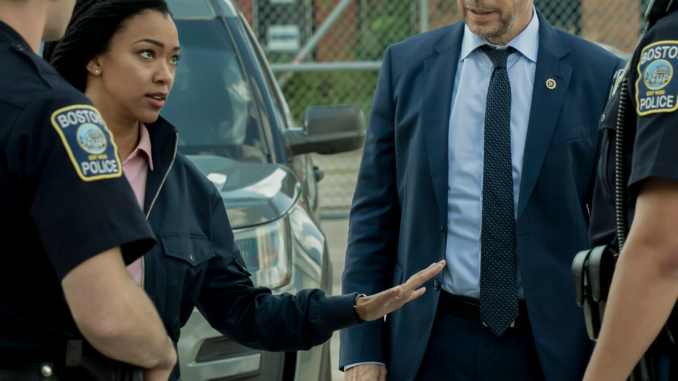
From the moment Boston Blue premiered, it was clear the series wasn’t going to play it safe. But some of the boldest choices made by the writers have quickly become the most hotly debated topics among viewers, sparking arguments, frustration, and passionate defenses across fan communities.
Here are the most controversial writing decisions that continue to split the audience.
1. Turning Danny Reagan Into a “Lone Wolf”
One of the biggest shocks was how drastically Danny Reagan’s role was reshaped. In Blue Bloods, Danny thrived within a tight family structure — emotional, explosive, but grounded by the Reagans.
In Boston Blue, he’s often written as isolated, restless, and emotionally guarded. Some fans praise this as realistic growth after years on the job. Others feel it strips away the heart of the character, turning a beloved fan favorite into a brooding outsider who no longer feels like “Danny.”
The controversy:
Is this character development — or character erosion?
2. The Recasting of Sean Reagan
Replacing Andrew Terraciano with Mika Amonsen as Sean Reagan wasn’t just a casting change — it became a narrative lightning rod.
The writers introduced the new Sean with sharper dialogue and more independence, signaling a clear shift in personality. While some viewers welcome the evolution, many argue the transition felt rushed and emotionally unearned.
The controversy:
Should the show have slowly reintroduced Sean — or avoided recasting altogether?
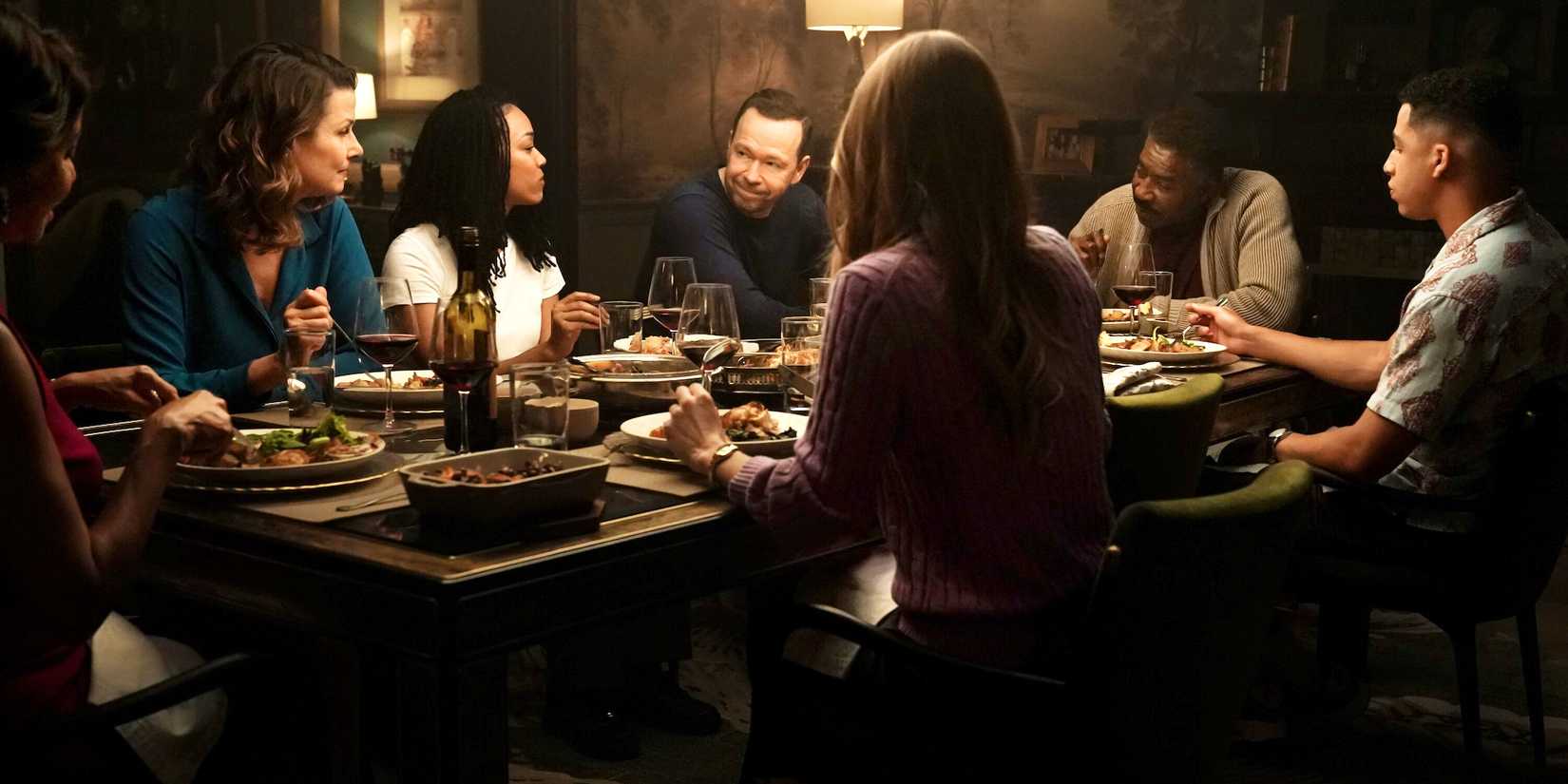
3. Authority Lines That Don’t Always Make Sense
Another frequent complaint centers on jurisdiction and command decisions. Episodes sometimes place characters in leadership roles or investigative positions that viewers argue stretch realism.
Longtime fans of Blue Bloods were used to tight procedural logic. In Boston Blue, some feel the writers prioritize drama over credibility — and it shows.
The controversy:
Is bending reality acceptable for emotional payoff — or does it break immersion?
4. Too Many Storylines, Not Enough Depth
The writers clearly aimed to build a richer world by introducing multiple new characters, political tensions, and moral conflicts early on. But many fans feel the show is trying to do too much, too fast.
Story arcs appear, intensify, and fade before fully landing, leaving viewers intrigued — yet unsatisfied.
The controversy:
Ambitious storytelling… or narrative overload?
5. Emotional Restraint Over Emotional Impact
Perhaps the most surprising choice is how often the show pulls back from emotional climaxes. Scenes hint at major breakdowns, confrontations, or reckonings — only to resolve quietly or off-screen.
Some see this as maturity. Others see it as the writers dodging emotional risk, especially compared to the raw family moments that defined Blue Bloods.
The controversy:
Subtlety — or missed opportunity?
The Question Fans Keep Debating
All these choices lead to one unresolved, uncomfortable question:
Are the writers intentionally reinventing the franchise —
or are they still experimenting, unsure which direction truly works?
Whether viewers love or hate these decisions, one thing is undeniable:
Boston Blue has become a show people argue about — and that kind of passion usually means the story is far from over.