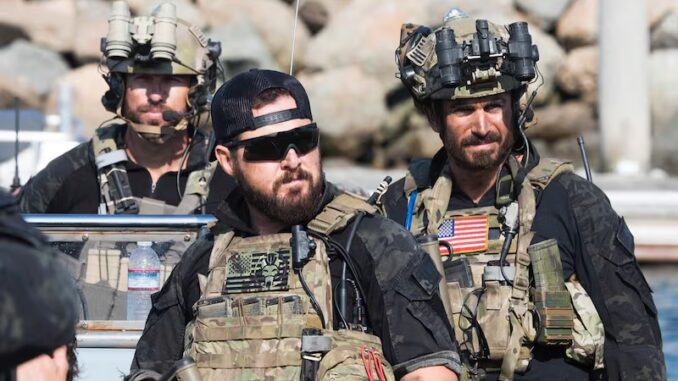
SEAL Team has never been just about bullets and battlefield explosions. Beneath the tactical missions and high-stakes operations lies a pressure cooker of personal conflict, emotional breakdowns, and moral dilemmas — and that’s where the real drama begins.
As the series unfolds, the tight-knit brotherhood fans once admired is repeatedly pushed to its limits. Leadership decisions spark quiet resentment. Orders meant to save lives instead tear relationships apart. Trust — the one thing a team like this can’t survive without — is tested again and again.
At the center of the storm, characters wrestle with invisible wounds. PTSD, guilt, and grief don’t stay off the battlefield — they follow them home. Explosive confrontations erupt not because of enemies, but because of unspoken pain and bottled-up fear. One wrong word, one risky call, and everything threatens to collapse.
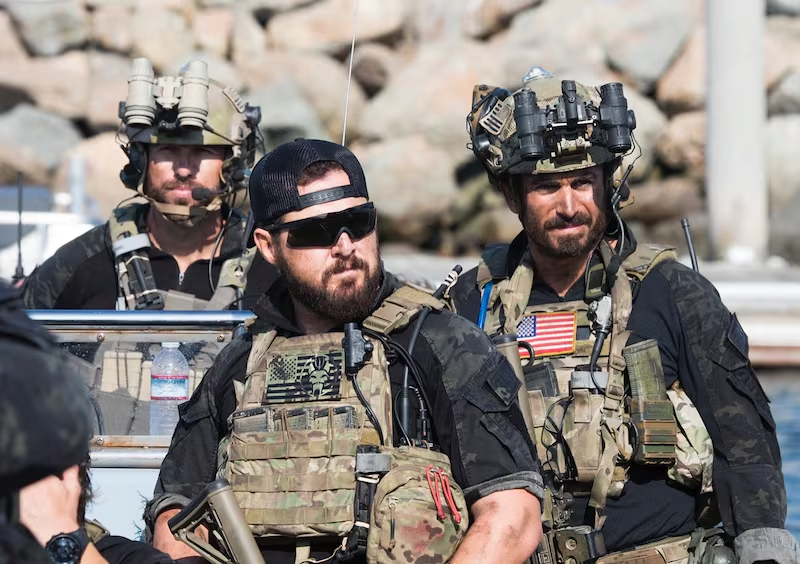
What makes the drama even more gripping is that there are no clear villains. Every character believes they’re doing the right thing — even when their choices put the team at risk. Friendships fracture, loyalty becomes conditional, and the line between duty and survival blurs beyond recognition.
Fans don’t just tune in for the action anymore. They tune in to see who will crack next, who will break the rules to protect their own, and who might not make it back — emotionally or otherwise.
In SEAL Team, the most dangerous battles aren’t always fought overseas.
Sometimes, the real war is happening within the team itself.
And that’s exactly why viewers can’t look away.