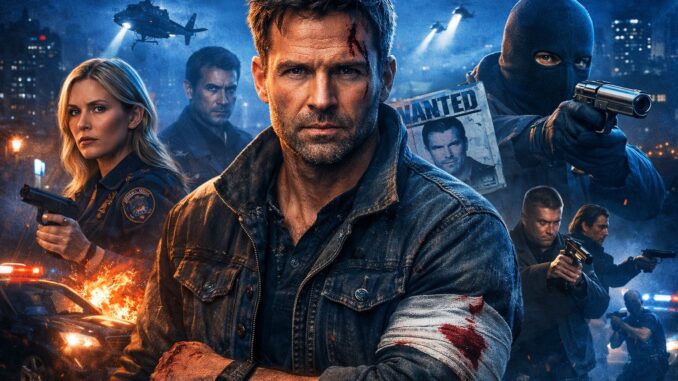
The walls are closing in. The pain is real. And the clock? It’s ticking louder than ever.
In the latest episodes, Colter finds himself injured, framed, and desperately seeking help, pushing the story into darker, sharper territory. This isn’t just another obstacle—it’s a full-blown survival test. When the system turns against you and your body starts to fail, what do you do?
You adapt. Or you disappear.
Let’s break down why this new arc hits harder than ever, how it reshapes Colter as a character, and why fans can’t stop talking about it.
A Turning Point That Changes Everything
Every great series has that moment—the one where the rules break.
For Colter, this is it.
Being injured isn’t just a physical setback. It strips away his biggest advantage: control. Being framed? That attacks his identity. Suddenly, the man who solves problems for a living becomes the problem.
This arc doesn’t just raise the stakes. It sets them on fire.
Colter’s Injury: More Than Physical Pain
When Strength Isn’t Enough Anymore
Colter has always relied on sharp instincts and physical endurance. But now? Every step hurts. Every fight costs more than it gives.
The injury forces him to slow down—and that’s terrifying.
Vulnerability as a Storytelling Weapon
Pain humanizes him. It makes every decision heavier, every risk sharper. You feel it in the way he moves, hesitates, and chooses his battles carefully.
This isn’t weakness.
It’s realism.
Framed and Isolated: The Ultimate Trap
How the Setup Changes the Game
Being framed means Colter can’t trust the usual channels. Law enforcement? Off-limits. Public spaces? Dangerous. One wrong move, and he’s done.
It’s a classic trap—but executed with fresh intensity.
The Psychological Toll of Being Hunted
Imagine knowing the truth while the world believes a lie. That pressure builds fast. It messes with judgment. It forces mistakes.
And mistakes, in this arc, are costly.
Seeking Help When Trust Is a Liability
Who Can Colter Really Rely On?
When you’re framed, help becomes a gamble. Every ally could be a threat. Every favor comes with strings attached.
This dynamic creates relentless tension.
Old Contacts vs. New Risks
Some familiar faces resurface—but are they loyal, or just opportunistic? New allies appear, too, but trusting strangers when you’re vulnerable feels like playing poker with your life on the table.
Why This Arc Feels Darker and Sharper
Higher Stakes, Tighter Writing
The pacing is ruthless. Scenes cut fast. Consequences land hard. There’s no filler—only pressure.
Moral Gray Areas Everywhere
Colter isn’t just fighting enemies. He’s fighting ethical compromises. Do you break the law to survive when you’re already framed for it?
That question drives the tension.
The Evolution of Colter’s Character
From Lone Wolf to Reluctant Team Player
He’s always preferred working solo. Now? That’s not an option. Survival demands connection—even if it hurts.
Adaptation Over Brute Force
Instead of charging forward, Colter thinks laterally. He outsmarts rather than overpowers. It’s growth under fire.
Action That Feels Earned, Not Flashy
Every Fight Has Consequences
No invincible hero moments here. Each confrontation drains him. Each escape leaves scars—visible and invisible.
Realistic Tension Over Spectacle
The action works because it’s grounded. You don’t watch for explosions. You watch to see if Colter can even stand back up.
Themes That Hit Close to Home
Identity Under Siege
When the world tells you who you are—and it’s wrong—how do you hold onto yourself?
Truth vs. Perception
The arc plays with a powerful idea: truth doesn’t always win fast. Sometimes it barely survives.
Why Fans Are Hooked Right Now
Unpredictability Is Back
No one feels safe. Not Colter. Not his allies. And definitely not the audience.
Emotional Investment Pays Off
Because we’ve seen Colter strong, watching him struggle hits harder. That contrast is everything.
What Makes These Episodes Stand Out
Sharper Dialogue, Heavier Silences
Sometimes what isn’t said matters more than what is. These episodes understand that.
Momentum That Never Lets Up
Once the arc starts, it doesn’t slow down. It drags you with it—whether you’re ready or not.
How This Arc Sets Up the Future
Long-Term Consequences Are Inevitable
Being framed doesn’t just disappear. Even when cleared, scars remain.
A New Colter Emerges
He’ll survive this—but he won’t be the same. And that’s exactly why this arc matters.
Why This Storyline Works So Well
Pain Feels Purposeful
Nothing happens just for shock value. Every injury, every betrayal pushes the story forward.
Character Drives the Plot
Not the other way around. That’s why it resonates.
The Emotional Core Behind the Action
At its heart, this isn’t just a thriller. It’s a story about resilience. About what happens when everything you rely on is taken away—and you still keep moving.
Because stopping isn’t an option.
Conclusion: Colter’s Most Defining Battle Yet
Colter being injured, framed, and forced to seek help isn’t just a plot twist—it’s a character crucible. These episodes strip him down to the essentials: instinct, intelligence, and stubborn willpower.
The stakes have never been higher. The danger has never felt closer. And the payoff? Absolutely worth it.
If this arc proves anything, it’s this: when Colter is at his lowest, the story is at its best.
FAQs
1. Why is Colter being framed such a big deal in these episodes?
Because it removes his access to legal protection and forces him into survival mode, raising both emotional and narrative stakes.
2. Does Colter’s injury significantly affect the storyline?
Yes. It limits his physical abilities and adds realism, making every action feel risky and earned.
3. Are new characters introduced during this arc?
Yes, and their motivations are intentionally unclear, adding tension and unpredictability.
4. Is this the darkest Colter storyline so far?
Many fans believe so, due to its emotional weight, moral complexity, and relentless pacing.
5. Will the consequences of this arc last beyond these episodes?
Absolutely. The events here reshape Colter’s future decisions and relationships.