What started as a throwaway post on social media has turned into a full-blown fandom war. A simple question — “Which One Chicago actor is the most overpaid?” — ignited thousands of comments, heated threads, and emotional defenses. And as expected, the biggest names in the franchise were the first to be dragged into the fire: Jason Beghe from Chicago P.D. and Taylor Kinney from Chicago Fire.
For some viewers, the frustration isn’t about talent — it’s about fatigue. After more than a decade on air, the faces of One Chicago are deeply familiar. Too familiar. Critics argue that Hank Voight’s storylines have begun to recycle the same moral conflicts, power struggles, and dark leadership arcs. They claim the edge that once made Voight unpredictable now feels routine, and that paying top dollar for a character that no longer “shocks” the audience feels unjustified.
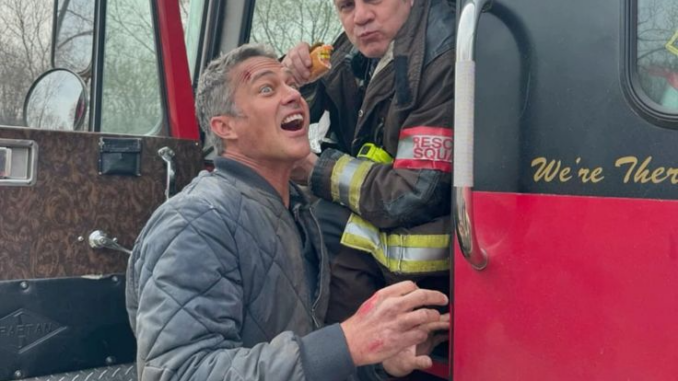
Taylor Kinney’s Kelly Severide has faced similar criticism. Once the ultimate fan favorite — fearless, damaged, magnetic — Severide became the emotional core of Chicago Fire. But some fans now say his arcs have stalled in repetition: romance, loss, inner conflict, growth… and then back again. The accusation isn’t that Kinney is bad at his job. It’s that the show hasn’t given him anything truly new to do, yet he remains one of the highest-paid stars in the franchise.
That argument, however, is exactly what set off the counterattack.
-
“He Earned Every Penny!”: The One Chicago Fandom Slams Critics Calling Taylor Kinney “Overpaid” in 2026.
-
Defenders were fast and fierce. To them, calling Beghe or Kinney “overpaid” completely misunderstands what they bring to the table. Jason Beghe isn’t just an actor playing Voight — he is the spine of Chicago P.D.. Without his gravelly presence, moral ambiguity, and controlled intensity, the series would lose its identity. You don’t pay him for one storyline. You pay him for stability, gravity, and brand recognition.
The same goes for Taylor Kinney. Chicago Fire without Severide is almost unimaginable to longtime viewers. He’s not just eye candy or a legacy character — he’s a symbol of the show’s emotional continuity. Kinney has carried trauma, leadership, romance, and vulnerability on his shoulders for over a decade. Fans argue that the issue isn’t his salary — it’s the writing failing to challenge him the way it once did.
As the debate grew, other names were dragged into the “overpaid” conversation too. Some questioned whether veterans like Amy Morton, Marina Squerciati, and even Jesse Lee Soffer in earlier seasons were earning more than their current story relevance justified. That’s when things turned uncomfortable — because suddenly, the roast felt less like criticism and more like erasure.
Longtime viewers pushed back hard. They reminded everyone that salaries aren’t just about screen time. They’re about years of loyalty, consistency, and keeping a franchise alive. One Chicago doesn’t survive 13+ seasons without anchors. And anchors cost money.
Another layer to the argument came from younger fans who want more spotlight on newer characters. They believe inflated salaries for veterans limit the show’s ability to invest in fresh faces, bold risks, and evolving storytelling. To them, the “overpaid” label isn’t personal — it’s structural. They want change, and they see money as the obstacle.
But older fans see it differently. They see the veterans as the reason the show still matters. You don’t tune into Chicago P.D. for experiments. You tune in because you know Hank Voight will cross lines you’re afraid to. You don’t watch Chicago Fire for novelty alone — you watch because Severide feels like family.
So are Jason Beghe and Taylor Kinney overpaid?
Or are they just carrying the weight of an entire universe on their backs?
In the end, the debate says more about the fandom than the actors. It reveals a tension between loyalty and evolution — between honoring what built One Chicago and demanding what might save it next. Some fans want comfort. Others want disruption. And in that clash, the biggest names will always take the hardest hits.
But one thing is clear: if One Chicago ever loses Beghe or Kinney, the question won’t be “Were they overpaid?”
It’ll be “Why did we ever let them go?”
Because in a franchise built on fire, blood, and badge… stars aren’t just performers.
They’re pillars. 🔥🚔🚒