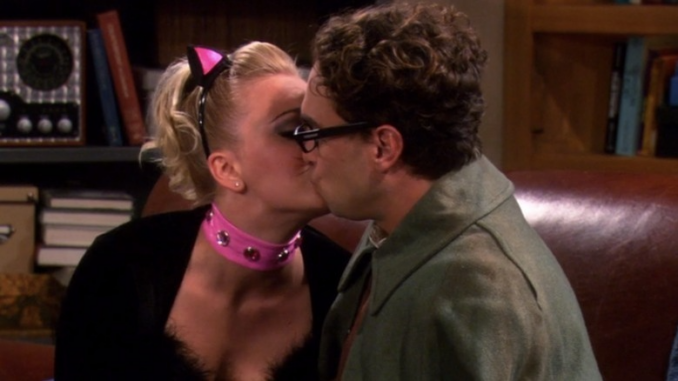
The Big Bang Theory rarely tackled cheating head-on, but when it did, it focused more on emotional betrayal than physical drama. Leonard’s actions weren’t driven by passion—they came from loneliness and insecurity. That choice made the storyline feel uncomfortably real. The show suggested that emotional distance can be just as damaging as physical infidelity, even in a laugh-track sitcom. Penny’s reaction was calm but wounded, reflecting how trust cracks slowly instead of shattering all at once. By refusing to sensationalize the moment, the writers highlighted how cheating often exists in gray areas. It wasn’t about shock—it was about consequences that linger quietly in a relationship.
Despite its controversial moments, cheating never defined The Big Bang Theory. Unlike many long-running sitcoms, the show didn’t rely on constant betrayal to create drama. Leonard’s mistake didn’t turn him into a villain—it became part of his growth. The writers emphasized accountability, conversation, and moving forward rather than endless punishment. This approach kept the series focused on long-term relationships instead of short-term scandal. By treating cheating as a flaw rather than a personality trait, the show preserved its emotional balance. That restraint may be why fans still argue about the storyline—but also why the series never lost its heart.