
When Winning Everything Still Isn’t Enough
What do you do when you’ve conquered the world—again?
For Simone Biles, the answer after the Paris Olympics wasn’t “train harder” or “push more.” It was pause.
After delivering one of the most dominant performances in Olympic history—three gold medals and a silver on floor exercise, narrowly behind Brazil’s Rebeca Andrade—Simone Biles made a surprising yet deeply intentional choice. She stepped back from intense gymnastics training, signaling a shift not just in her career, but in how elite athletes define success.
And honestly? It might be the most powerful decision she’s ever made.
Simone Biles’ Paris Olympics Performance: A Historic High
A Medal Count That Speaks for Itself
At the Paris Olympics, Simone Biles didn’t just compete—she dominated.
-
🥇 Three gold medals
-
🥈 One silver medal on floor exercise
-
👑 A performance marked by precision, confidence, and emotional control
Even the silver—claimed by Rebeca Andrade—felt less like a loss and more like proof that women’s gymnastics is entering a thrilling, competitive golden age.
The GOAT Still Reigns
Let’s be clear: Simone Biles didn’t step back because she couldn’t keep up.
She stepped back because she didn’t need to prove anything anymore.
The Silver That Sparked Conversation
Rebeca Andrade and the Beauty of Rivalry
Rebeca Andrade’s gold on floor exercise wasn’t a defeat for Biles—it was a celebration of the sport’s evolution.
Instead of rivalry filled with tension, the moment symbolized:
-
Mutual respect
-
Shared excellence
-
A sport bigger than one name
And Simone embraced it with grace.
Why That Silver Still Mattered
Silver medals don’t usually steal headlines—but this one did.
Why? Because it showed that Simone Biles could lose gracefully, win graciously, and still walk away fulfilled.
Why Simone Biles Stepped Back From Intense Training
Not a Retirement—A Reset
Let’s clear this up:
Simone Biles did not announce retirement.
What she chose was something far more nuanced—a step back from intense, high-pressure gymnastics training.
Think of it like closing your laptop after finishing a massive project. The work is done. Now your mind—and body—need rest.
Listening to the Body (and the Mind)
After years of pushing physical and mental limits, Simone did something radical in elite sports:
She listened to herself.
-
No rigid timelines
-
No forced comeback announcements
-
No pressure-driven decisions
Just intention.
The Mental Health Factor: A Continuing Conversation
From Tokyo to Paris—Growth in Real Time
Simone Biles has been a central figure in changing how athletes talk about mental health since Tokyo.
Paris wasn’t just a redemption arc—it was a completion of the story.
Now, stepping back shows that mental health isn’t just something you address in crisis. It’s something you maintain.
Why This Matters for Young Athletes
This decision sends a powerful message:
You don’t have to break yourself to be great.
Rest is not weakness. It’s strategy.
Redefining What Success Looks Like
Winning Without Chasing
Simone Biles no longer competes from a place of desperation.
She competes—or pauses—from choice.
That’s the kind of power athletes rarely get to experience.
The GOAT Era Has Matured
Early-career Simone was explosive.
Paris-era Simone is intentional.
Both are brilliant—but this version might be the most influential yet.
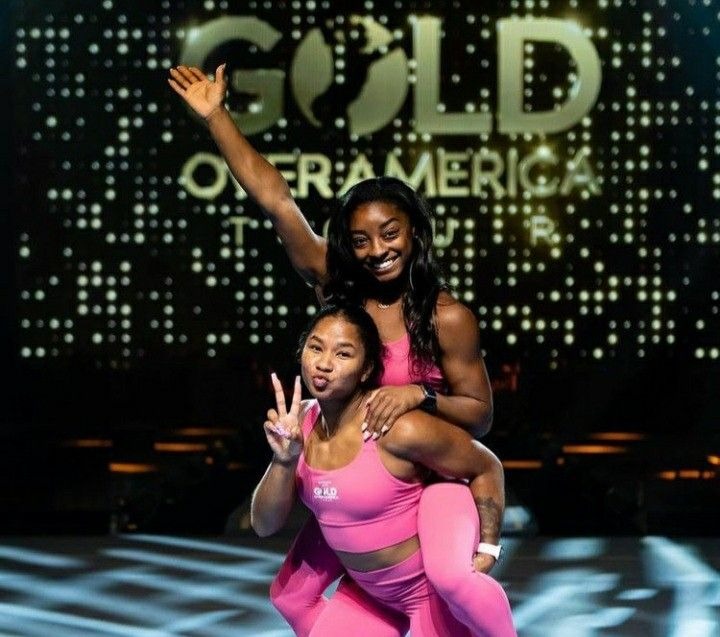
What “Stepping Back” Really Means
Less Training, Not Less Purpose
Stepping back doesn’t mean disappearing. It means:
-
Reducing physical strain
-
Avoiding burnout
-
Exploring life beyond the gym
Sometimes the strongest move forward is sideways.
Allowing Space for What’s Next
Whether Simone returns to competition or not, this pause creates space for:
-
Coaching
-
Advocacy
-
Personal fulfillment
-
Or simply rest
And all of those are wins.
How This Decision Impacts Women’s Gymnastics
Opening the Door for the Next Generation
By stepping back, Simone allows others—like Andrade—to shine without comparison.
That’s not stepping aside.
That’s lifting the entire sport.
Changing the Narrative of Longevity
Women in gymnastics aren’t expected to last long. Simone shattered that myth—and now she’s reshaping what the end of an era looks like.
Public Reaction: Support Over Scrutiny
Fans Applaud the Decision
The response was overwhelmingly positive:
-
Fans praised her self-awareness
-
Athletes expressed solidarity
-
Media highlighted maturity over medals
That didn’t happen by accident. Simone earned that trust.
Why This Feels Different From Past Exits
No drama. No breakdown. No controversy.
Just confidence.
Could Simone Biles Return Again?
Never Say Never
Simone hasn’t closed the door—and she doesn’t need to.
If she returns, it’ll be on her terms, not the world’s.
And If She Doesn’t?
Then she leaves the sport exactly how she entered it:
Changed forever.
The Legacy She’s Building Now
Beyond Medals and Scores
Simone Biles’ legacy isn’t just about difficulty scores and podiums. It’s about:
-
Athlete autonomy
-
Mental health advocacy
-
Longevity without sacrifice
From Champion to Cultural Icon
This decision cements her role not just as the GOAT of gymnastics—but as a leader far beyond the mat.
Conclusion: Sometimes the Strongest Move Is to Pause
After the Paris Olympics, Simone Biles did something rare in elite sports—she stopped pushing.
With three gold medals, one silver, and nothing left to prove, she chose rest over relentless ambition. And in doing so, she redefined what strength looks like.
Not louder.
Not harder.
Just wiser.
And maybe that’s the most inspiring victory of all.