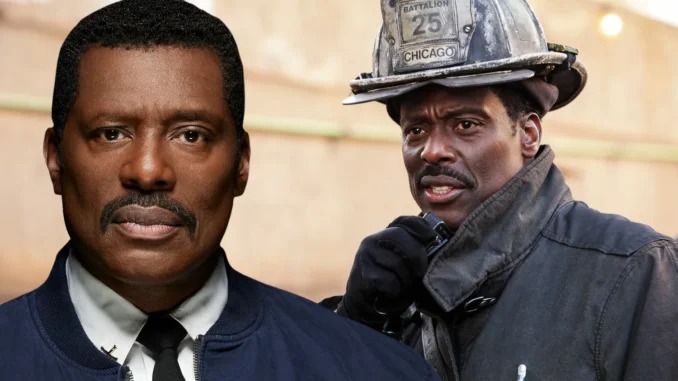
When False News Goes Viral: Fan Outrage Over the Eamonn Walker Death Hoax
In the age of instant information, news travels faster than ever—but so does misinformation. Recently, social media platforms were flooded with alarming posts claiming that actor Eamonn Walker had lost his life in a tragic car accident. Within hours, the story spread widely, triggering shock, grief, and outrage among fans around the world. However, as quickly as the rumor appeared, it became clear that the report was completely false. Eamonn Walker is alive, and the incident serves as a powerful reminder of the damage fake news can cause.
Eamonn Walker, best known for his commanding role as Chief Wallace Boden on Chicago Fire, has built a devoted global fanbase over decades of powerful performances. For many viewers, he is more than just an actor—he represents strength, integrity, and leadership. That emotional connection is precisely why the false report hit so hard. Fans woke up to heartbreaking headlines, unverified posts, and emotional tribute videos, all based on a lie.
The immediate reaction online was chaos. Social media feeds filled with messages of disbelief and mourning, while others desperately searched for confirmation from credible sources. When no official statement appeared from Walker’s family, representatives, or reputable news outlets, suspicion grew. Soon after, fans began to realize they had been misled—and grief turned into anger.
Much of the outrage was directed at content creators and pages that posted the claim without verification. Many fans accused them of chasing clicks, views, and engagement at the expense of truth and basic human decency. “This is not entertainment,” one fan wrote. “You’re playing with people’s emotions.” Others pointed out how such hoaxes don’t just affect fans, but also deeply impact the families and colleagues of the person involved.
This incident highlights a growing problem in digital culture: the weaponization of shock. False celebrity death reports are disturbingly common because they spread quickly and provoke strong emotional reactions. Algorithms often reward sensational content, making it tempting for some to prioritize virality over responsibility. Unfortunately, once misinformation is released, it becomes incredibly difficult to contain.
Fan communities, however, also showed their strength during the incident. Many stepped up to correct the narrative, urging others to stop sharing unverified claims and to rely on trusted news sources. Some used the moment to celebrate Eamonn Walker’s career instead—sharing favorite scenes, interviews, and messages of appreciation, but with relief rather than mourning.
The situation also opened up a broader conversation about digital literacy. Fans called for more accountability on social media platforms and encouraged users to pause before sharing breaking news, especially when it involves someone’s life or death. A single click can amplify a lie to millions.
In the end, while the rumor itself was false, the outrage was real—and justified. It exposed the emotional cost of misinformation and reminded us that public figures are still human beings. Eamonn Walker’s so-called “death” never happened, but the incident left a lasting impression on how easily truth can be distorted online.
As consumers of digital content, we all share responsibility. Verify before sharing. Question sensational headlines. And remember: behind every name in the news is a real person—and false words can cause very real harm.