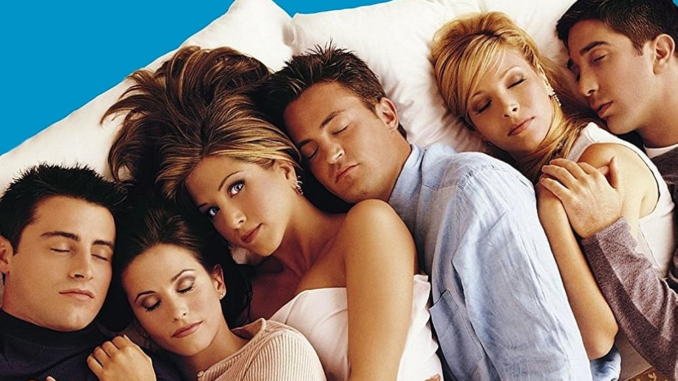
For years, Friends taught us who to root for. Ross was the hopeless romantic. Rachel was the love of his life. Their story was supposed to be the great sitcom romance.
But lately, fans have been asking a very different — and far more uncomfortable — question:
What if Ross was never the hero of this story?
Across fan discussions and social debates, Ross Geller has quietly become the most controversial character in Friends. What once played as jealousy and insecurity is now being reexamined through a modern lens — and many viewers are no longer laughing.
Fans point to a long list of moments: Ross’s possessiveness over Rachel’s career, his constant jealousy, his inability to respect boundaries, and his tendency to frame his own mistakes as misunderstandings rather than choices. Even the infamous “we were on a break” argument, once treated as a running joke, has become a cultural flashpoint.
To some viewers, Ross represents a realistic, flawed man shaped by insecurity and heartbreak. To others, he’s an example of emotional manipulation that the show never fully challenges. The debate has split the fandom right down the middle — defenders argue he’s human; critics argue he’s enabled.
What makes this discussion explosive is that Friends never resolves it. The show frames Ross and Rachel as endgame without forcing Ross to truly confront or grow beyond his worst patterns. That ending, once satisfying, now feels unsettling to some fans who wonder whether nostalgia blinded them.
And yet — despite all the criticism — Ross remains unforgettable. His flaws fuel some of the show’s most iconic moments, proving that discomfort and comedy were often intertwined.
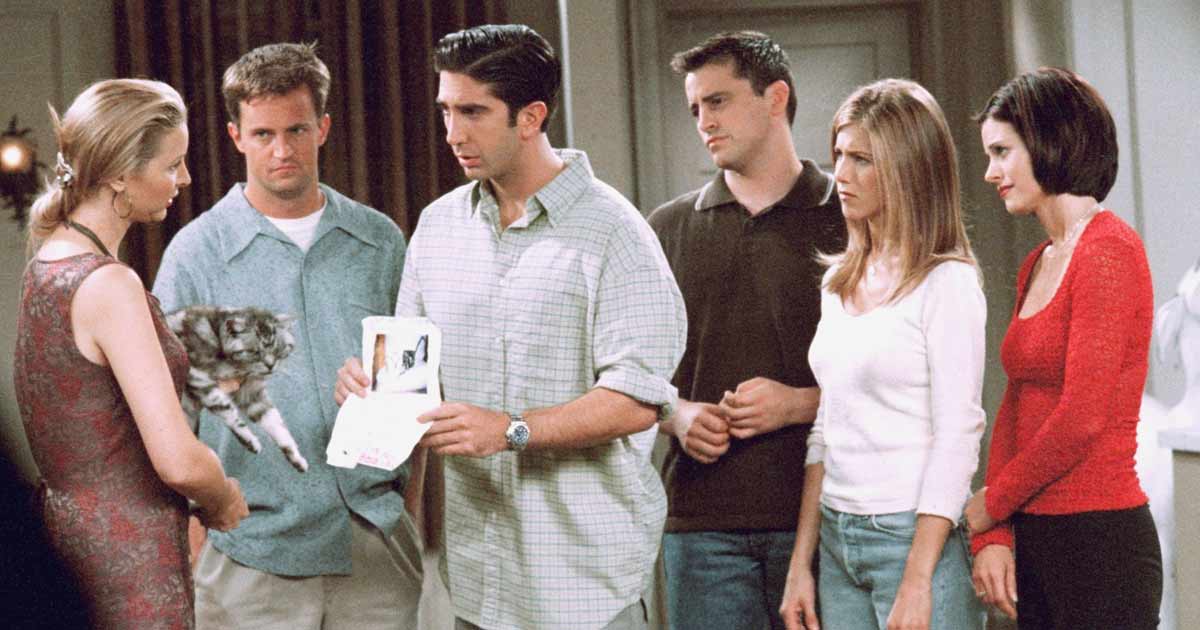
So the question that refuses to go away is this:
Did Friends accidentally romanticize toxic behavior — or did audiences simply change faster than the show ever could?
Love him or loathe him, Ross Geller is no longer just a character.
He’s a debate.
And that may be the most Friends thing of all.