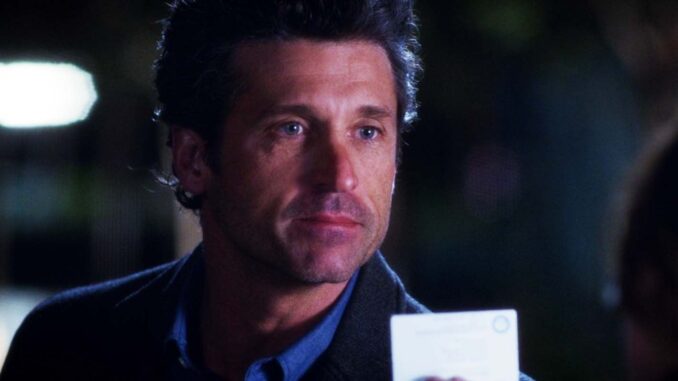
How fans around the world mourned the loss of McDreamy and stood by the actor who brought him to life
When the devastating accident that claimed the life of Derek Shepherd aired on Grey’s Anatomy, audiences were left heartbroken and stunned. Although Patrick Dempsey, the actor behind the beloved character, was very much alive, the emotional impact of Derek’s death felt real and deeply personal to fans. Almost instantly, an outpouring of sympathy flooded social media—not only for the fictional loss, but also for Dempsey himself, who had embodied “McDreamy” for more than a decade.
A Tragedy That Felt All Too Real
Derek Shepherd’s fatal accident was one of the most shocking moments in television history. The suddenness of it—the randomness, the sense that it could have been prevented—mirrored real-life tragedies in a way that made it especially painful to watch. Fans weren’t just losing a favorite character; they were losing a symbol of love, hope, and emotional comfort that had been part of their lives for years.
As the episode aired, reactions poured in from across the globe. Viewers expressed disbelief, anger, and profound sadness. Many admitted they cried uncontrollably, while others said they had to step away from the show entirely. The grief was intense because Derek Shepherd wasn’t just a character—he was a constant presence in a series that had accompanied fans through different stages of their own lives.
Sympathy for Patrick Dempsey: Blurring the Line Between Actor and Character
In the midst of mourning Derek Shepherd, fans also turned their attention to Patrick Dempsey. Social media platforms were filled with messages thanking him for bringing such a meaningful character to life. While everyone understood that the accident happened only within the show, the emotional connection to Dempsey was undeniable.
Fans expressed sympathy for the actor, acknowledging how difficult it must have been to say goodbye to a role that defined so much of his career. Many posts highlighted the challenge of carrying such an emotional storyline and the courage it took to walk away after so many years. For viewers, supporting Patrick Dempsey felt like a natural extension of grieving Derek Shepherd.
The Legacy of McDreamy Lives On
What made the reaction so powerful was the legacy Derek Shepherd left behind. He represented an ideal: intelligent yet humble, confident yet vulnerable, deeply flawed yet endlessly loving. His relationship with Meredith Grey was one of television’s most iconic love stories, and its abrupt ending felt cruelly realistic.
Fans revisited old episodes, shared favorite quotes, and created tribute videos celebrating Derek’s journey. Through these acts, they kept the character alive while honoring Patrick Dempsey’s performance. The sympathy shown was not rooted in confusion about reality, but in appreciation for storytelling that had touched millions.
A Reminder of the Emotional Power of Storytelling
The response to Derek Shepherd’s accident demonstrated how deeply television can affect people. Stories, when told well, blur the lines between fiction and real emotion. Patrick Dempsey’s portrayal allowed fans to feel genuine grief, and in turn, they responded with genuine compassion toward him.
Many viewers emphasized that their sympathy was also gratitude—gratitude for years of memorable moments, emotional depth, and unforgettable lines that shaped the cultural impact of Grey’s Anatomy. Even those who disagreed with the storyline choice agreed on one thing: Patrick Dempsey gave everything to the role.
Farewell to a Character, Not the Actor
While Derek Shepherd’s story ended in tragedy, Patrick Dempsey’s career did not. Still, the sympathy he received following the episode showed how strongly fans associated him with McDreamy. It was a collective goodbye filled with tears, love, and appreciation.
In the end, the accident that took Derek Shepherd became more than a plot twist—it became a shared emotional experience. And through that experience, fans reminded Patrick Dempsey just how much his work had meant to them, proving that even fictional losses can inspire very real compassion.