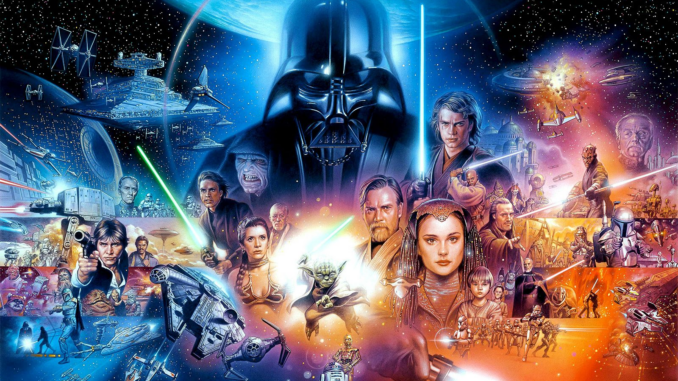
At its heart, Star Wars is far more than a space opera filled with epic battles and iconic visuals. Beneath the lightsabers and starships lies a carefully constructed meditation on choice, morality, and the fragile boundary between heroism and corruption. This thematic depth is what gives the franchise its enduring emotional power.
One of the saga’s most compelling strengths is its refusal to present good and evil as fixed states. Instead, Star Wars portrays the Force as a mirror—neutral in nature, yet deeply influenced by the intentions of those who wield it. This perspective reframes the central conflict: the real battle is not between Jedi and Sith, but within each individual character.
The tragedy of Anakin Skywalker exemplifies this idea with devastating clarity. His fall to the dark side is not sudden, nor is it driven by cruelty. Rather, it unfolds through a series of emotionally charged decisions fueled by fear, attachment, and the desire to prevent loss. The prequel trilogy carefully shows how unchecked love and desperation can distort moral judgment, turning noble intentions into catastrophic outcomes. Anakin does not lose himself in a moment—he erodes his identity piece by piece.
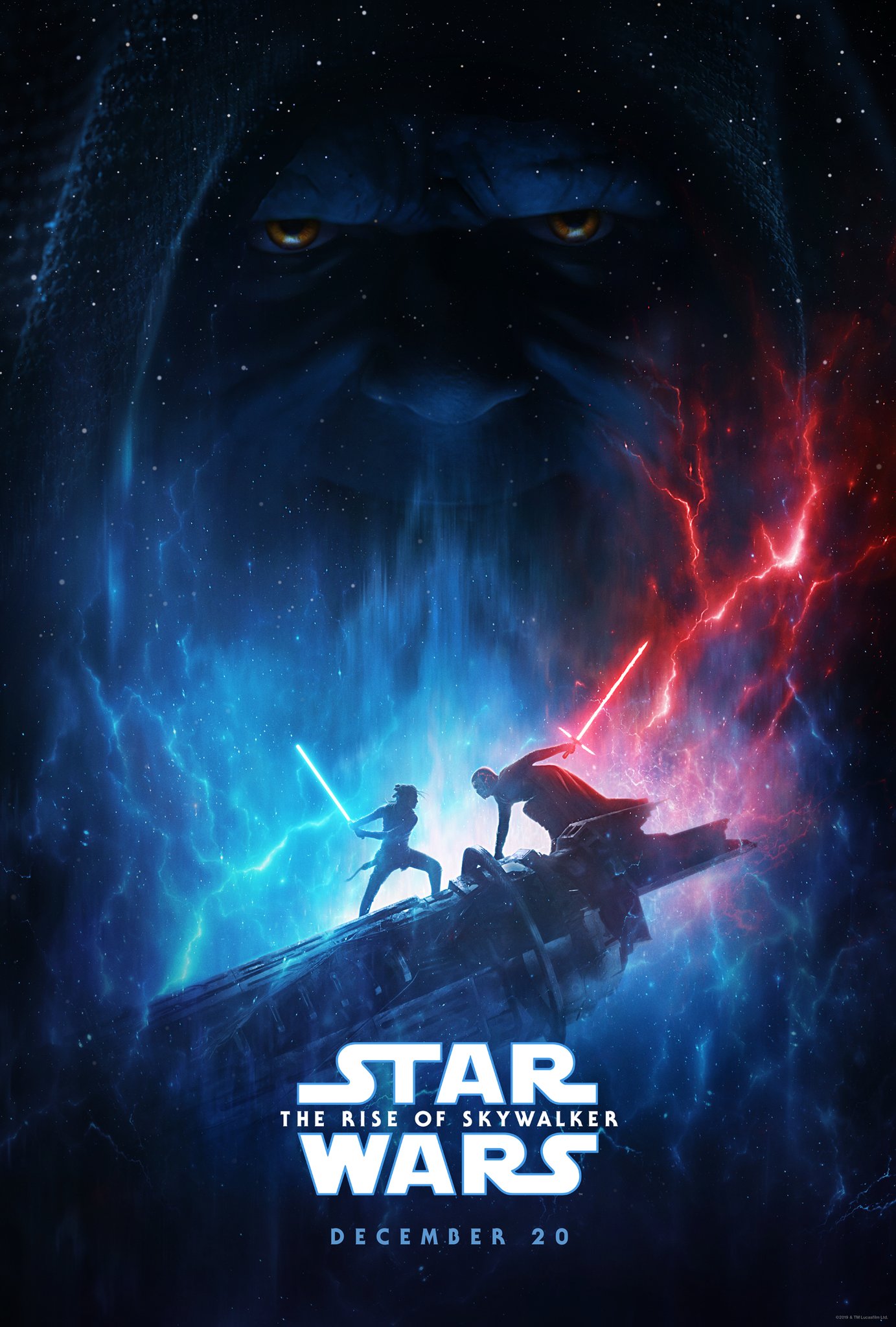
This internal struggle continues in the original trilogy through Luke Skywalker, whose journey deliberately mirrors his father’s. Luke is repeatedly tested by anger and revenge, especially in his confrontations with Darth Vader. What distinguishes him is not greater strength, but restraint. His ultimate victory is achieved not through dominance, but through refusal—choosing compassion over violence at the moment when hatred would be easiest.
Later installments expand this theme through Rey, whose connection to the dark side is portrayed as both inherited and instinctual. Her story reinforces the franchise’s central argument: darkness is not exclusive to villains, and light is not guaranteed by lineage. Identity in Star Wars is defined not by origin, but by action.
From a narrative standpoint, this focus on choice elevates the lightsaber duels beyond spectacle. Each confrontation becomes a symbolic struggle, where physical combat reflects moral tension. The most powerful scenes are often the quietest—moments of hesitation, silence, or internal conflict that determine a character’s path.
Ultimately, Star Wars endures because it speaks to a universal human experience. It acknowledges that fear, anger, and love can all be sources of downfall, just as hope, self-control, and empathy can be acts of rebellion. The saga’s message is both sobering and hopeful: no one is immune to darkness, but no one is beyond redemption.
In framing heroism as a continuous act of choosing the light—again and again—Star Wars transforms its galactic conflict into a timeless moral reflection. And that is why, decades later, its story still resonates with audiences across generations.