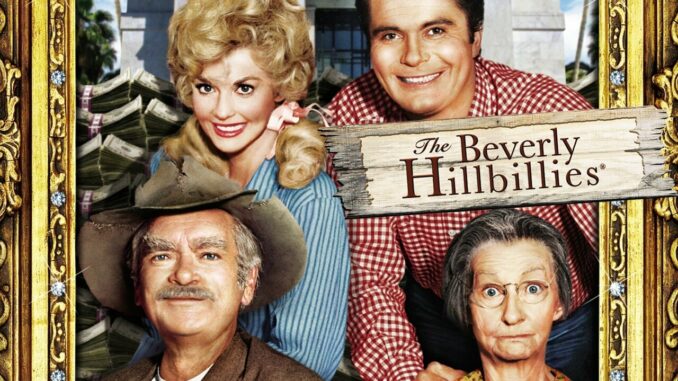
When The Beverly Hillbillies premiered in 1962, critics laughed it off as “too silly to last.” Audiences? They made it a ratings monster.
But behind the laugh track and corn-pone jokes was a far more serious question Hollywood never liked to answer:
How much money did the Clampetts actually make?
The answer might surprise you — and in some cases, shock you.
Buddy Ebsen (Jed Clampett): The Star Who Earned Less Than You Think
As the calm, folksy patriarch Jed Clampett, Buddy Ebsen was unquestionably the face of the show.
Yet despite being the lead, his salary was modest by today’s standards.
-
Early seasons: around $7,500–$10,000 per episode
-
Later seasons: increased, but still conservative compared to modern sitcom stars
Why so low?
Ebsen came from an old-studio system mindset, where actors accepted steady work over aggressive salary negotiations. He had fame — but not the leverage that later TV stars would wield.
Irony: Jed Clampett was a millionaire on screen… but far from one off screen.
Irene Ryan (Granny): The Highest-Paid Clampett?
Here’s the twist most fans never expect.
Irene Ryan — the fiery, scene-stealing Granny — was reportedly the highest-paid regular cast member.
-
Salary peaked at $10,000+ per episode
-
Negotiated stronger contracts due to her vaudeville legacy and proven audience appeal
Producers knew something crucial:
Take away Granny, and the show’s humor collapses.
Ryan understood her value — and Hollywood paid up.
Donna Douglas (Elly May): Fame Without Fortune
Elly May Clampett became one of the most recognizable women on television in the 1960s. Posters, magazines, merchandise — she was everywhere.
But financially?
-
Salary: significantly lower than her male co-stars
-
Limited raises despite soaring popularity
Douglas later revealed she earned far less than fans assumed, especially considering the show’s enormous profits.
Her beauty sold the show — but the contracts didn’t reward it.
Max Baer Jr. (Jethro): The Actor Who Regretted the Deal
Jethro Bodine’s stupidity was comedy gold — and a career trap.
-
Paid modestly during the show’s run
-
No meaningful control over rerun profits
Baer later admitted that while the show made CBS a fortune through syndication, the actors saw little of that money.
The reruns ran forever.
The paychecks didn’t.
The Real Money Went Somewhere Else
Here’s the uncomfortable truth:
-
The Beverly Hillbillies ran 274 episodes
-
It dominated ratings for years
-
It earned millions in syndication
Yet most of that wealth went to:
-
Network executives
-
Production companies
-
Distributors
Not the people audiences actually tuned in to see.
A Classic Show, A Cautionary Tale
Today, The Beverly Hillbillies is remembered as a beloved American classic.
But behind its folksy charm lies a hard Hollywood lesson:
Fame doesn’t always equal fortune — especially in early television.
The Clampetts struck oil in Beverly Hills.
But in real life?
Only a few truly got rich.