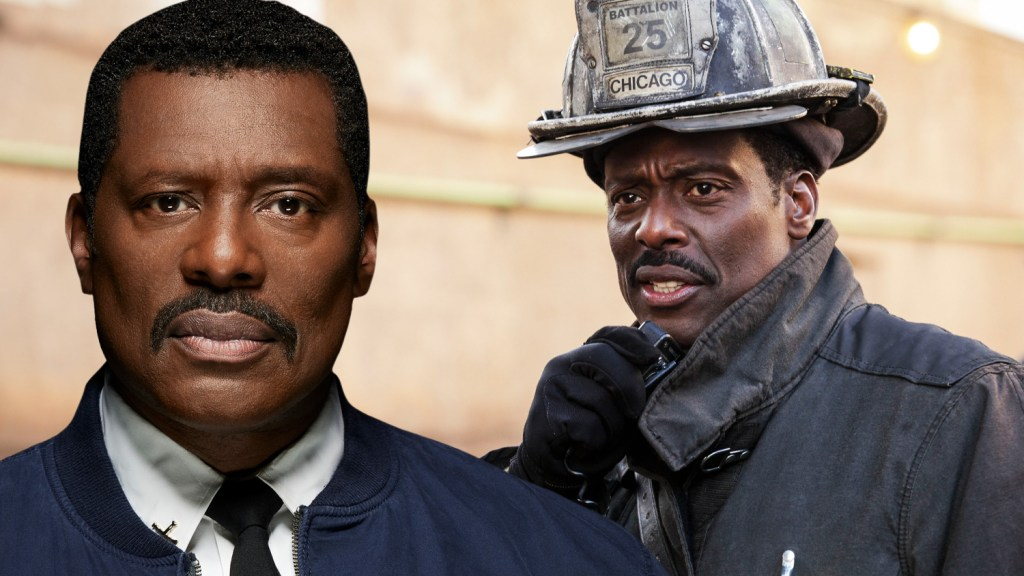
The sirens echoing through the streets of Chicago have always signaled action, but in the most recent episode of Chicago Fire, they heralded something much more profound: the return of the heart. After a period of transition that felt like a long, cold winter for the “One Chicago” faithful—marked by shifting leadership, temporary reassignments, and the absence of key pillars—Station 51 is finally whole again. The mid-season premiere of 2026 delivered the one thing fans have been clamoring for with a level of emotional intensity that has effectively set the internet ablaze. It wasn’t just a tactical reunion of personnel; it was a spiritual restoration of a family that had been fragmented for far too long. The sight of the original “Core” standing together on the apparatus floor once more served as a powerful reminder of why this show remains the gold standard of procedural dramas.
The emotional weight of this reunion was anchored by the return of Kelly Severide to his permanent post at Squad 3. Following a prolonged absence that saw him navigating high-level arson investigations across the country, the uncertainty regarding Taylor Kinney’s long-term future with the show had created a palpable anxiety within the fandom. However, the moment the bay doors rolled up and Severide stepped out, not as a visitor but as the rightful leader of the squad, the collective sigh of relief from the audience was deafening. The reunion between Kelly and Stella Kidd was handled with a sophisticated restraint that made their silent embrace more impactful than any scripted dialogue could ever be. It signaled the end of a “long-distance” strain that had tested the limits of “Stellaride,” proving that despite the professional pulls of the ATF, Kelly’s soul remains firmly anchored to the bricks of 51.
But the restoration of the firehouse went beyond just one couple. The episode masterfully choreographed a series of “reconnection” moments that touched every corner of the house. From the unspoken nod of respect between Chief Wallace Boden and his returning lieutenants to the boisterous, beer-soaked celebration at Molly’s Pub, the episode leaned heavily into the theme of “The Brotherhood.” For the first time in over a year, the roster felt balanced. The integration of newer faces like Dante Torres into the veteran fold felt finalized, as the returning mentors resumed their roles in shaping the next generation. This sense of “wholeness” is critical for Chicago Fire; the show has always functioned best when the firehouse acts as a single, breathing organism, and the 2026 reunion restored the oxygen that the narrative had been missing.
A particularly moving thread of the reunion involved Christopher Herrmann and Mouch. As the elder statesmen of the house, their reaction to the team being back together provided the episode’s most grounded emotional beats. David Eigenberg’s portrayal of Herrmann’s relief was raw and relatable, reminding the audience that for the veterans, these people aren’t just coworkers—they are the only family they have left in a dangerous world. The scene where the entire crew gathered for a “family dinner” at the common table—a tradition that had felt hollow during the periods of cast turnover—was the definitive turning point. As the camera panned around the table, capturing the laughter, the bickering, and the shared history, it became clear that the “magic” of 51 had been successfully reclaimed.
The fandom’s reaction to this reunion has been nothing short of explosive. Within minutes of the broadcast, social media was flooded with clips, “edit” videos, and emotional testimonials. The hashtag #Station51WholeAgain trended globally, reflecting a deep-seated loyalty to these characters that transcends standard television viewership. For many fans, the reunion was a form of catharsis after a real-world year of industry strikes and production delays that had made the show’s future feel uncertain. Seeing the team back in their turnout gear, standing side-by-side in the face of a massive multi-alarm fire, provided a sense of stability and hope that resonated far beyond the fictional confines of the Windy City.
As we look toward the remainder of the season, the “wholeness” of Station 51 sets the stage for a new level of storytelling. With the family unit restored, the writers can now pivot from the “trauma of absence” to the “strength of unity.” The stakes for the upcoming episodes are higher than ever, as a unified 51 prepares to face a city-wide conspiracy that will test every resource they have. But for the first time in a long time, there is no doubt that they will face it together. The reunion wasn’t just a gift to the fans; it was a mission statement for the series. It proved that while characters may leave and the flames may change, the spirit of Firehouse 51 is unbreakable as long as they find their way back to each other.
The fire is burning bright again in Chicago, and the “family” is finally back where they belong. Station 51 is whole, the engines are ready, and for the “One Chicago” family, the journey ahead has never looked more promising.