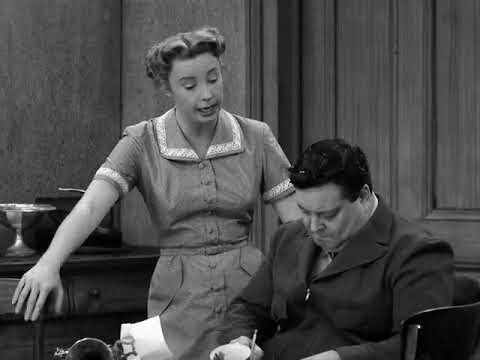
At first glance, The Honeymooners is remembered as a loud, fast-talking comedy filled with shouting matches, exaggerated schemes, and unforgettable catchphrases. Yet beneath the laughter lies something far more complex. What made the show endure was not just its humor, but its willingness to sit with disappointment, frustration, and emotional fatigue. The Honeymooners was funny precisely because it was quietly sad.
Unlike many sitcoms that followed, the world of The Honeymooners was not designed to offer escape. Ralph and Alice Kramden live in a cramped apartment, stuck in routines that rarely change. There is no upward mobility, no gradual improvement, and no illusion that life will suddenly get easier. The humor comes from Ralph’s grand dreams colliding with an unforgiving reality—and from how often that collision ends in failure.
Ralph Kramden is not a lovable optimist in the traditional sense. He is impatient, insecure, and painfully aware of his limitations. His schemes are fueled by desperation rather than ambition. Each new plan is a response to economic pressure, bruised pride, or the quiet fear that he will never be more than he already is. When those plans collapse, the laughter is immediate—but so is the recognition. Many viewers saw their own frustrations reflected in Ralph’s repeated defeats.
Alice Kramden, often seen as Ralph’s sharp-tongued counterbalance, carries a different kind of emotional weight. Her wit is not cruel; it is protective. She understands the fragility of their situation and uses humor as a way to keep both herself and Ralph grounded. Alice rarely mocks Ralph’s dreams themselves—only his recklessness. Beneath her sarcasm is a deep loyalty, one that reveals itself most clearly when Ralph finally admits defeat.
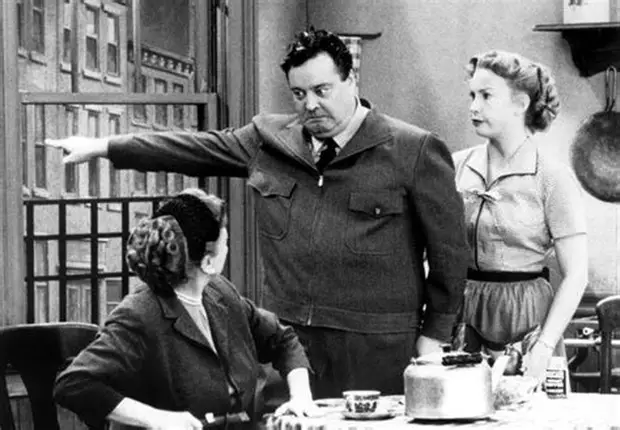
What sets The Honeymooners apart is its refusal to resolve tension with easy optimism. Episodes often end not with triumph, but with acceptance. Ralph apologizes. Alice forgives. Life continues exactly as it was before. This cyclical structure creates a subtle emotional undercurrent: the sense that happiness is not something to be achieved, but something to be maintained in small, fragile moments.
The show’s tone reflects a post-war working-class reality that television rarely confronts so directly. Success is uncertain. Effort does not guarantee reward. Love exists alongside resentment, and laughter exists alongside exhaustion. The Honeymooners never denies these truths—it simply frames them with humor, allowing audiences to laugh without dismissing the weight of everyday struggle.
That balance between comedy and quiet despair is what gives the show its lasting power. Modern sitcoms often soften hardship with irony or resolve it with growth arcs. The Honeymooners does neither. It finds meaning in endurance rather than transformation. Ralph and Alice do not escape their circumstances, but they face them together, armed with sarcasm, affection, and the ability to laugh at their own limitations.
In the end, The Honeymooners was not merely a comedy about marriage or money. It was a portrait of emotional resilience. Its humor lingers because it is rooted in honesty—and its sadness endures because it was never exaggerated. The show understood something timeless: that laughter does not erase hardship, but it can make it bearable.