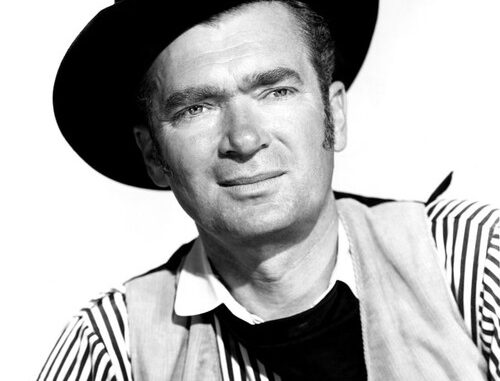
In television history, sudden wealth usually comes with a familiar arc: corruption, excess, and moral decline. The Beverly Hillbillies deliberately rejects that formula. Through Jed Clampett, the series presents a quietly radical idea for American television—one that remains striking even today. Jed becomes rich overnight, yet nothing about his character deteriorates. If anything, his wealth only sharpens the contrast between money and values.
Jed Clampett is not portrayed as naïve, nor is he dazzled by luxury. Despite owning a Beverly Hills mansion and sitting atop a fortune, he remains cautious, practical, and deeply ethical. He questions contracts, distrusts flattery, and refuses to confuse wealth with wisdom. In a genre often driven by exaggeration, Jed’s restraint feels almost subversive.
What makes Jed compelling is that his moral consistency is not framed as a joke. The humor arises from the reactions of others—bankers, neighbors, and social climbers—who assume money should change him. Their expectations repeatedly collapse. Jed does not chase status, social approval, or power. Instead, he uses his wealth defensively, as a means of security rather than domination. The show quietly suggests that greed is not a natural consequence of wealth, but a cultural choice.

This portrayal stood in sharp contrast to the American television landscape of the 1960s, which increasingly celebrated ambition and upward mobility. Jed represents an older, almost unfashionable ethic: that character precedes success, not the other way around. He measures people by honesty and intent, not polish or pedigree. In doing so, he exposes the fragility of class-based assumptions—especially in an environment as image-driven as Beverly Hills.
Jed’s relationship with money also reframes the American Dream. Rather than depicting wealth as a reward for cleverness or aggression, The Beverly Hillbillies treats it as accidental. Oil is discovered beneath Jed’s land not because of ambition or strategy, but by chance. This randomness undercuts the myth that wealth is always earned through merit alone. Jed’s humility, therefore, becomes a moral counterweight to a system that often equates success with virtue.
Perhaps most importantly, Jed Clampett resists transformation. In modern storytelling, character “growth” often means abandoning old values to adapt to new realities. Jed refuses that premise. He adapts practically—learning rules, navigating banks, protecting his family—but he never redefines who he is. The show treats this constancy not as stagnation, but as strength.
Decades later, Jed Clampett feels increasingly rare. In an entertainment culture obsessed with wealth, influence, and reinvention, his character stands as a reminder that integrity does not require reinvention to survive prosperity. The Beverly Hillbillies may have been packaged as a simple comedy, but through Jed Clampett, it delivered one of television’s most enduring moral statements: money can change your circumstances—but it does not have to change you.