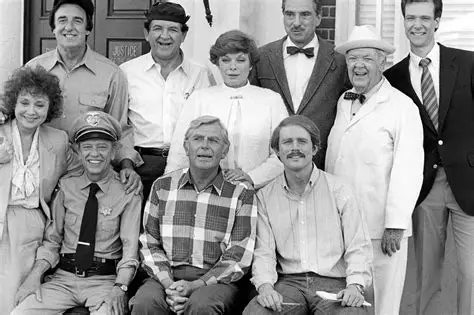
The Andy Griffith Show looked like the picture of harmony on screen, but behind the scenes, salaries told a very different story. At a time when television was still figuring out how valuable hit sitcoms could be, the show quietly became a case study in power, contracts, and unequal pay—even among beloved cast members.
Andy Griffith: The Highest-Paid Man in Mayberry
As the star, namesake, and creative force behind the series, Andy Griffith naturally earned the top salary. By the mid-1960s, he was reportedly making around $40,000 per episode, a staggering amount for television at the time.
To put that in perspective, this made Griffith one of the highest-paid TV actors of the decade, reflecting both his box-office appeal and his behind-the-scenes influence as a producer. His salary wasn’t controversial—it was expected.
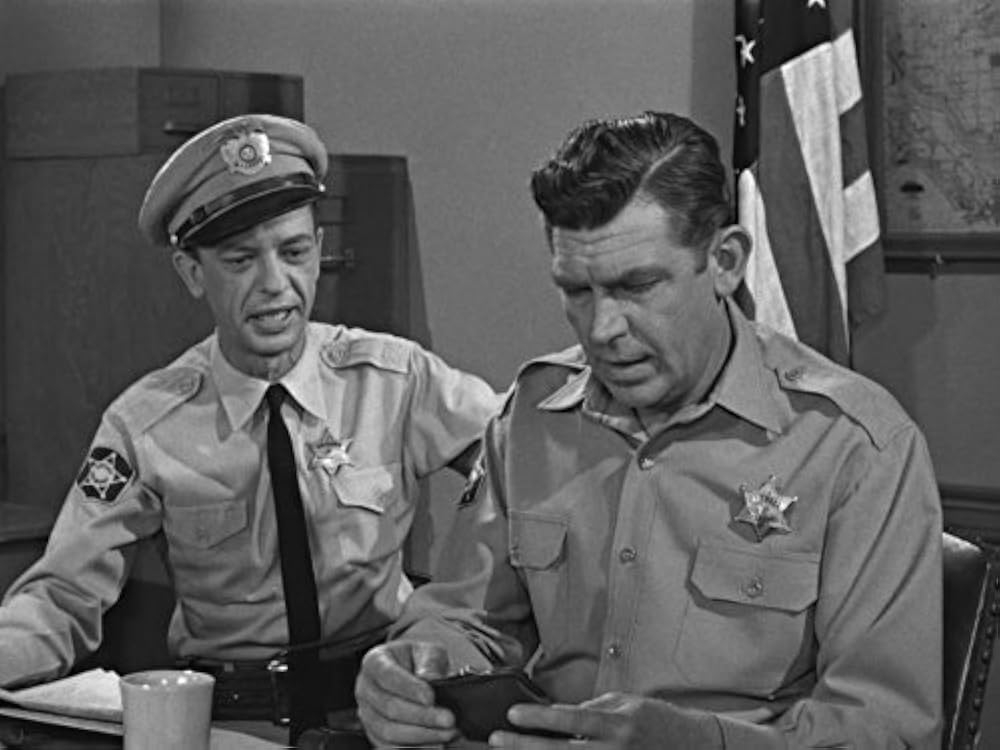 Don Knotts: The Star Who Was Paid Less
Here’s where things get interesting.
Don Knotts, whose portrayal of Barney Fife became one of the most iconic comedic performances in TV history, earned significantly less than Andy Griffith, especially in the early seasons. While exact figures varied, Knotts reportedly made a fraction of Griffith’s salary, despite often stealing entire episodes with his performance.
The imbalance became a major behind-the-scenes issue. Knotts eventually left the show after Season 5, partly due to uncertainty about the show’s future—but salary and recognition were widely believed to play a role. Ironically, his departure marked the beginning of a decline many fans still debate today.
Ron Howard: Child Star, Child Pay
Ron Howard, who played Opie Taylor, was paid according to child actor standards of the era. His earnings were modest, even as his character became central to the show’s emotional core.
Unlike today’s heavily regulated child-actor contracts, salaries in the early 1960s offered little long-term protection. Howard later reflected that while he didn’t become wealthy from the show, the experience opened doors that shaped his legendary career as a director.
Frances Bavier: Fame Without Financial Power
Frances Bavier, who portrayed Aunt Bee, was a household name—but her paycheck didn’t reflect it. Despite appearing in nearly every episode, she earned considerably less than her male co-stars, a common reality for women in television at the time.
Her salary highlighted a broader industry pattern: female supporting stars often lacked leverage, even when they were essential to a show’s success. Today, Aunt Bee is iconic—but financially, the rewards were limited.
Why the Pay Gap Mattered
What made The Andy Griffith Show controversial wasn’t just the numbers—it was who controlled them. Andy Griffith’s producer role gave him negotiating power others didn’t have. Supporting actors, no matter how popular, were bound by rigid studio contracts.
At a time before profit-sharing, residual awareness, or cast equity discussions, television rewarded hierarchy, not audience love.
The Long-Term Irony
While Andy Griffith earned the most during the show’s run, Don Knotts’ Barney Fife arguably became the most enduring character. Clips of his performance still circulate today, proving that cultural impact doesn’t always match financial reward.
In hindsight, The Andy Griffith Show wasn’t just a wholesome sitcom—it was an early example of how television fame, money, and fairness didn’t always align.
Final Takeaway
The salaries behind The Andy Griffith Show reveal a hidden layer of classic television history: a system where power dictated pay, not popularity. It’s a reminder that even the warmest shows can have cold financial realities—and that some of the biggest stars didn’t always cash the biggest checks.