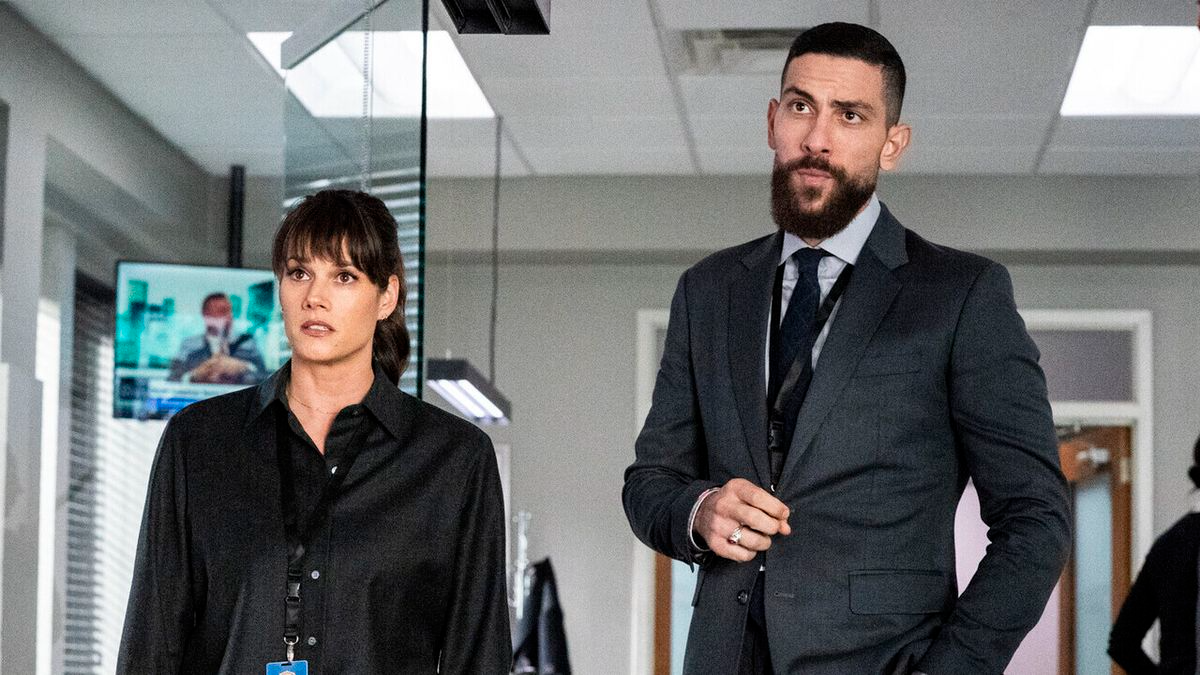
The digital landscape of the television fandom is currently engulfed in a firestorm of controversy, and the target of this collective ire is none other than the executive suite at CBS. For seven seasons, the procedural drama FBI has been anchored by one of the most compelling and consistent partnerships in modern television history: Special Agents Maggie Bell and OA Valentine. Their relationship, built on a bedrock of unwavering trust, shared trauma, and a “ride-or-die” loyalty, has been the primary reason millions of viewers tune in every Tuesday night. However, following a series of recent narrative choices and cryptic behind-the-scenes rumors regarding cast availability and “creative resets,” the fanbase has officially entered a state of revolt. The question on everyone’s lips is as urgent as it is terrifying: Did CBS just make a fatal error with the dynamic duo of Maggie and OA?
The catalyst for this widespread panic stems from the midseason direction of the current season, where the show’s writers have begun to pull the two partners in increasingly separate directions. Historically, the strength of FBI has been the unified front Maggie and OA present against the chaos of the world. Yet, recent episodes have seen Maggie sidelined with mysterious “special assignments” and personal leave arcs, while OA has been paired with rotating secondary characters. To the network, this might look like a clever way to manage actor schedules and reduce production costs in a tightening economy. To the fans, however, this feels like a systematic dismantling of the show’s soul. The community is lashing out against what they perceive as a “dilution” of the core product, arguing that the show isn’t just about the FBI; it’s about Maggie and OA.
The “Fatal Error” in question involves the reported decision to reduce the number of episodes in which Missy Peregrym and Zeeko Zaki appear together. In a bid to lean into the newly announced CIA spinoff and manage the massive budget of the expanding FBI universe, rumors have surfaced that the flagship series will transition into a more ensemble-heavy format. This move would effectively end the era of Maggie and OA as the central, inseparable pair of every episode. The backlash was instantaneous. Hashtags like #SaveMaggieAndOA and #NoPartnersNoShow began trending globally, as fans expressed their frustration that the network is prioritizing “universe expansion” over character integrity. The revolt is fueled by a sense of betrayal; viewers have invested years into this specific partnership, only to feel like it is being traded for a shiny new spinoff.
Furthermore, the creative “separation” of the duo has led to a stagnant emotional landscape. When Maggie and OA are together, the subtext is rich, the stakes feel personal, and the dialogue crackles with years of established history. When they are apart, the show often reverts to a standard, “paint-by-numbers” procedural. Fans are arguing that by separating them, CBS is stripping the show of its unique selling point. They aren’t just watching for the crime-solving; they are watching for the way Maggie checks on OA’s mental health after a rough case, or the way OA intuitively knows when Maggie is pushing herself too hard. Removing those nuances turns a character-driven drama into a cold, clinical exercise in crime proceduralism.
The network’s perceived error is compounded by the timing. With major cast exits hitting other CBS hits like Fire Country and the original NCIS cast continuing to evolve, the FBI audience felt they had a safe harbor in Maggie and OA. To see that safety net threatened by budget-driven “creative pivots” has created a rift between the network and its most loyal consumers. Critics of the current strategy point out that “franchise fatigue” usually starts when a show loses its emotional anchor. By messing with the Maggie-OA dynamic, CBS risks alienating the very people who have kept the FBI Tuesday block at the top of the ratings for nearly a decade.
Is it too late to course-correct? The revolt suggests that the audience will not accept a version of FBI where Maggie and OA are merely coworkers who pass each other in the hallway. The demand is clear: return to the partnership-centric storytelling that built the brand. If CBS continues down the path of separating the two to facilitate spinoffs or cut costs, they may find that they have successfully built a massive “universe” only to realize that the fans of the original world have moved on.
As we approach the season finale, the pressure on the writers and executives is immense. The fanbase is no longer just watching; they are advocating, organizing, and demanding that the heart of the show be protected. CBS may have thought they were making a smart business move, but in the court of public opinion, they may have just committed the most significant unforced error in the network’s history. The sirens are blaring, but this time, the emergency is inside the writers’ room.