
A New Chapter for the FBI Franchise
The FBI television universe is officially expanding, and this time, it’s going global. With the announcement of FBI: CIA, CBS is signaling a bold new direction for its long-running procedural franchise—one that moves beyond domestic threats and into the shadowy, high-stakes world of international intelligence. The new series promises to elevate the brand by blending classic procedural storytelling with espionage, diplomacy, and global intrigue.
For fans of FBI, FBI: Most Wanted, and FBI: International, this expansion feels like a natural evolution rather than a sudden leap.
Why ‘CIA’ Is the Next Logical Step
From its inception, the FBI franchise has gradually widened its scope. What began as a traditional domestic crime procedural has grown into a multi-show universe tackling terrorism, cybercrime, fugitives, and cross-border threats. Introducing the CIA into this ecosystem allows the franchise to explore cases that don’t stop at U.S. borders.
Unlike the FBI, whose jurisdiction is primarily domestic, the CIA operates in the shadows of international politics and intelligence gathering. That distinction opens the door to storylines involving covert missions, foreign governments, moral ambiguity, and the complex consequences of global power.
A Shift in Tone: From Procedural to Espionage
While FBI: CIA is expected to retain the franchise’s familiar structure—clear missions, ensemble casts, and high-stakes investigations—it also represents a tonal shift. The new series leans more heavily into espionage drama, where information is as dangerous as weapons and trust is never guaranteed.
Viewers can expect a more serialized approach, with long-running arcs that stretch across episodes and even seasons. Rather than wrapping cases neatly within an hour, FBI: CIA is positioned to let consequences linger, reflecting the unpredictable nature of international intelligence work.
International Stakes, Personal Consequences
At the heart of FBI: CIA is the idea that global threats have deeply personal costs. Agents operating overseas face not only physical danger but also isolation, ethical dilemmas, and pressure from multiple chains of command. Loyalties are constantly tested—between country, colleagues, and conscience.
This emotional weight sets the series apart from its predecessors, allowing character development to unfold against a backdrop of geopolitical tension rather than street-level crime.
How the New Series Fits Into the FBI Universe
Rather than existing in isolation, FBI: CIA is designed to interlock with the broader FBI universe. Crossovers are expected to play a major role, particularly when cases blur the line between domestic enforcement and international intelligence.
This interconnected storytelling strengthens the franchise as a whole, giving fans a richer, more immersive experience. A threat introduced on one show could escalate into a global crisis on another, reinforcing the idea that modern crime and terrorism are rarely confined to one jurisdiction.
A Fresh Visual and Narrative Style
Visually, FBI: CIA aims to distinguish itself from its sister series. International locations, covert meeting spaces, and foreign capitals will add cinematic scope, giving the show a more global aesthetic. The storytelling is expected to rely less on procedural repetition and more on atmosphere, tension, and slow-burn suspense.
This stylistic shift reflects changing audience expectations, as viewers increasingly gravitate toward dramas that feel cinematic and globally relevant.
The Appeal of International Intrigue
In an era of global uncertainty, stories involving espionage and intelligence resonate more than ever. FBI: CIA taps into that cultural moment, offering a fictional lens through which viewers can explore themes of power, secrecy, and global responsibility.
By situating its stories on the international stage, the series also broadens its appeal, attracting viewers who may not traditionally gravitate toward standard police procedurals.
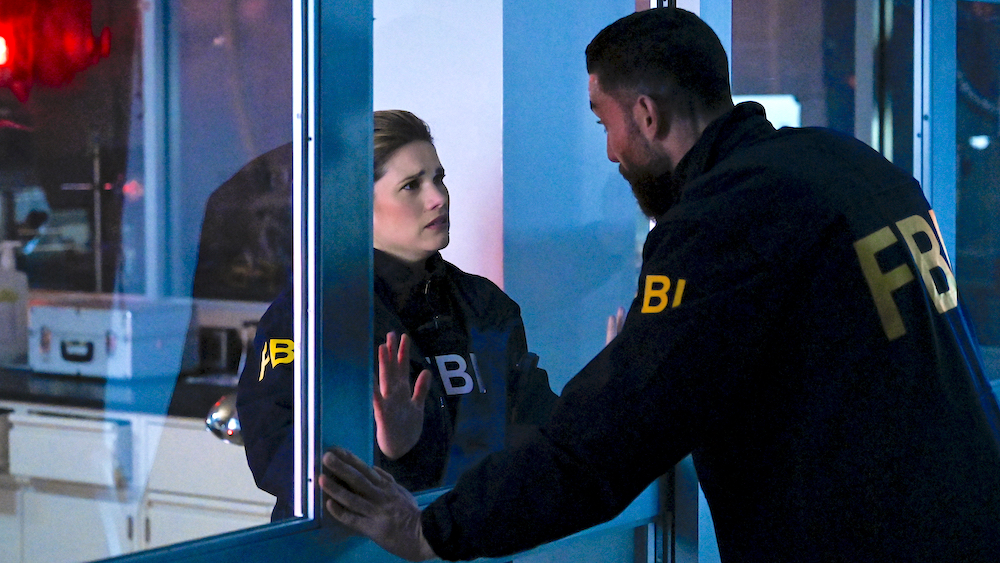
Balancing Realism and Entertainment
As with any intelligence-focused drama, FBI: CIA walks a fine line between realism and accessibility. While inspired by real-world agencies and geopolitical tensions, the series prioritizes character-driven storytelling over documentary-level accuracy.
This balance allows the show to remain entertaining while still feeling grounded, ensuring that complex global issues are explored without alienating casual viewers.
What This Means for CBS
For CBS, FBI: CIA represents both a creative and strategic move. The network has built its identity around reliable, long-running franchises, and expanding the FBI universe strengthens that foundation. At the same time, the new series allows CBS to compete more directly with streaming platforms that dominate the espionage genre.
By keeping the show on network television while adopting a more modern storytelling style, CBS aims to bridge the gap between traditional audiences and younger viewers seeking sophisticated drama.
Fan Expectations and Early Buzz
Early reactions to the announcement have been a mix of excitement and curiosity. Fans are eager to see how the CIA angle will reshape the familiar FBI formula, while also hoping the new series retains the emotional grounding that defines the franchise.
There’s also anticipation around casting, character dynamics, and how boldly the show will lean into serialized storytelling. Expectations are high—but so is interest.
A Universe That Keeps Growing
With FBI: CIA, the franchise demonstrates that it isn’t content to stand still. Instead, it continues to adapt, expand, and respond to the evolving landscape of television storytelling. By embracing international intrigue, the FBI universe positions itself as more than just a procedural brand—it becomes a multifaceted narrative world.
This expansion reinforces the idea that modern crime, intelligence, and justice are interconnected on a global scale.
Final Thoughts: A Bold Step Forward
FBI: CIA represents a bold and timely evolution of the FBI franchise. By shifting the focus to international intelligence, the series promises higher stakes, deeper moral questions, and a broader narrative canvas.
If executed well, it could redefine what network procedurals look like in the modern era—proving that even established franchises can reinvent themselves without losing their core identity.
As the FBI universe continues to grow, one thing is clear: the story is no longer just about protecting home—it’s about navigating a world where threats, secrets, and consequences know no borders.