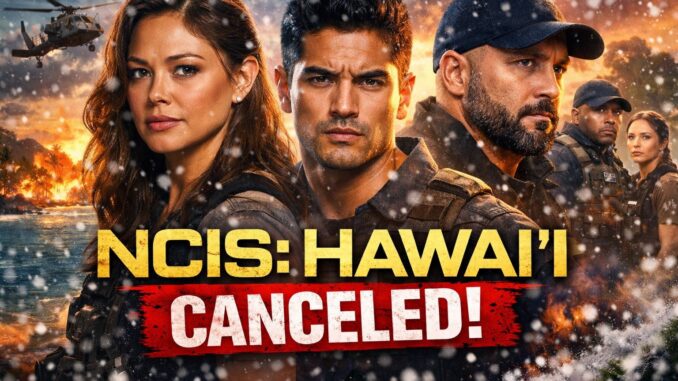
A Shocking Decision That No One Saw Coming
When CBS announced the cancellation of NCIS: Hawai’i, fans didn’t just feel disappointed—they felt blindsided. In a television landscape where franchise power is everything, pulling the plug on a still-performing NCIS spin-off felt less like strategy and more like a gamble. And here’s the big question everyone’s asking: Did CBS just make a massive mistake?
Let’s break it down. Ratings, fan loyalty, representation, franchise momentum—NCIS: Hawai’i checked a lot of boxes. Canceling it may have solved short-term scheduling issues, but the long-term fallout? That’s where things get messy.
Why NCIS: Hawai’i Was More Important Than CBS Realized
A Strong Spin-Off in a Proven Franchise
The NCIS brand is one of the most reliable franchises on television. For over two decades, it has delivered consistent ratings, loyal audiences, and global appeal. NCIS: Hawai’i wasn’t an outlier—it was a natural evolution.
The show blended the familiar procedural formula with a fresh setting and modern storytelling. That combination mattered. It kept long-time fans engaged while pulling in new viewers who wanted something lighter, warmer, and more character-driven.
Ratings Tell One Story — CBS Told Another
Here’s where things get confusing.
Despite cancellation rumors, NCIS: Hawai’i continued to perform solidly across live ratings, DVR, and streaming platforms. While it may not have topped the charts every week, it delivered stable, dependable numbers—the kind most networks would kill for.
So why cancel it?
CBS never offered a clear explanation, which only fueled speculation. Cost-cutting? Scheduling conflicts? Strategic resets? Whatever the reason, the optics were bad.
Fan Loyalty Was Seriously Underrated
A Passionate, Vocal Fanbase
If CBS underestimated anything, it was the fans.
Social media erupted after the cancellation announcement. Hashtags trended. Petitions exploded. Viewers weren’t just disappointed—they were angry. That kind of reaction doesn’t come from a “failing” show. It comes from one that connected.
Fans didn’t just watch NCIS: Hawai’i. They invested in it.
Emotional Attachment Drives Long-Term Value
Television isn’t just about numbers anymore. It’s about emotional stickiness—how deeply a show embeds itself into viewers’ routines.
Canceling NCIS: Hawai’i didn’t just remove a show from the schedule. It disrupted a relationship. And when networks break trust, audiences remember.
Representation That Actually Mattered
A Female-Led NCIS Series Was a Big Deal
Vanessa Lachey’s role as Jane Tennant marked a milestone—the first female lead in the NCIS universe. That wasn’t just symbolic. It reshaped the tone of the franchise in a meaningful way.
Canceling the show sent an uncomfortable message: progress is optional.
Representation Isn’t a Trend — It’s an Expectation
Modern audiences expect diversity that feels organic, not performative. NCIS: Hawai’i delivered that naturally, through casting, culture, and storytelling.
Walking away from that feels like stepping backward at a time when TV should be moving forward.
The Setting Was a Character, Not a Gimmick
Hawai‘i wasn’t just a pretty backdrop. It shaped the pacing, the cases, and the emotional tone of the series.
Sun-soaked visuals mixed with high-stakes investigations created contrast—like a postcard hiding a crime scene. That balance worked. It made the show feel different without feeling disconnected from the NCIS brand.
Streaming Strategy Misfires and Missed Opportunities
NCIS: Hawai’i Had Strong Streaming Potential
Procedurals thrive on streaming. They’re bingeable, comforting, and evergreen. NCIS: Hawai’i fit that mold perfectly.
By canceling it, CBS limited its own streaming library strength—especially at a time when competition is brutal and content longevity matters more than ever.
Franchise Synergy Was Just Getting Started
Crossovers were gaining momentum. Characters were developing. The universe felt connected again.
Canceling the show cut that growth short—like ending a marathon at mile 18.
Cost-Cutting vs. Brand Damage
Yes, TV production is expensive. But here’s the thing: not all savings are smart savings.
Canceling a recognizable, moderately priced hit to chase unproven projects is risky. When those replacements fail—as many do—the loss feels even bigger.
Audience Trust Is Hard to Win Back
Networks don’t just cancel shows. They cancel expectations.
When viewers invest time, emotion, and loyalty, they expect some level of commitment in return. Pulling the plug on NCIS: Hawai’i damaged that trust—and rebuilding it won’t be easy.
Could CBS Reverse Course? Stranger Things Have Happened
Television history is full of second chances. Revivals. Streaming rescues. Surprise renewals.
With fan demand still loud and the franchise still strong, a revival—whether on Paramount+ or elsewhere—isn’t impossible. The question is whether CBS will listen.
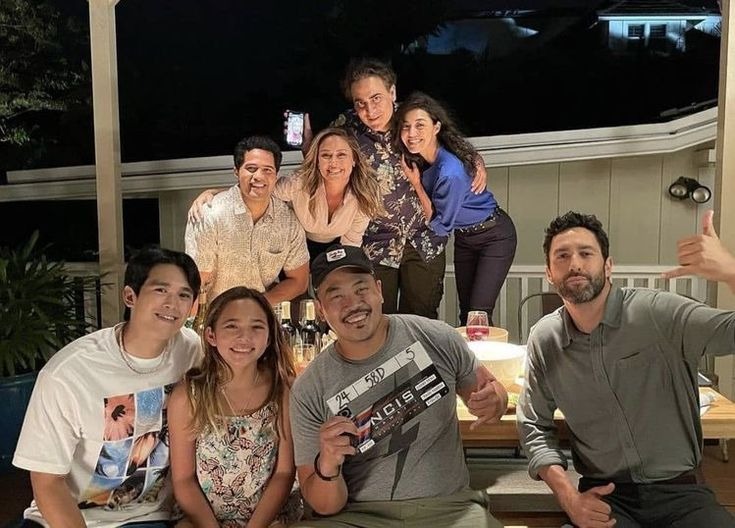
Conclusion: A Decision That May Haunt CBS
Canceling NCIS: Hawai’i wasn’t just a programming choice—it was a statement. And that statement didn’t land well.
The show had momentum, heart, and a loyal audience. Walking away from it may save money today, but it risks costing CBS something far more valuable tomorrow: viewer trust and franchise goodwill.
In hindsight, this may go down as one of those moments where the numbers didn’t tell the whole story—and the network paid the price.
FAQs
1. Why did CBS cancel NCIS: Hawai’i?
CBS has not provided a detailed explanation, but industry speculation points to budget concerns and scheduling priorities.
2. Were the ratings really that bad?
No. The show maintained steady ratings and performed well on streaming platforms.
3. Is there a chance NCIS: Hawai’i could be revived?
Yes. Strong fan demand and franchise value make a revival possible, especially on streaming.
4. How did fans react to the cancellation?
Fans responded with widespread backlash, petitions, and social media campaigns supporting the show.
5. Does this affect the future of the NCIS franchise?
Potentially. It raises concerns about CBS’s long-term strategy and commitment to its most loyal audience.