A Breaking Point for Viewers
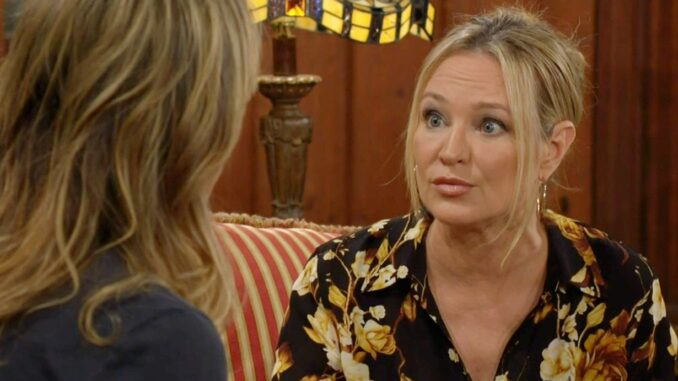
Fans of The Young and the Restless are reaching their breaking point. What began as a tangled web of manipulation, ambition, and betrayal has now crossed into deeply frustrating territory. The latest storyline — in which Phyllis appears to take credit while Cane quietly leaves destruction in his wake — has ignited fierce backlash across fan communities. Viewers aren’t just disappointed; they’re angry.
For many longtime fans, this moment feels less like clever soap drama and more like a betrayal of narrative logic and character accountability.
Phyllis in the Spotlight — Again
Phyllis Summers has never shied away from attention. She thrives in chaos, often positioning herself as the mastermind behind situations that benefit her — whether or not she truly earned the outcome. In this storyline, Phyllis steps forward as the “winner,” soaking up praise and leverage while the consequences of Cane’s actions unfold elsewhere.
The problem, according to fans, isn’t that Phyllis is being Phyllis. It’s that the show seems determined to reward her, regardless of the moral cost or the truth behind the scenes.
Cane’s Damage Gets Swept Aside
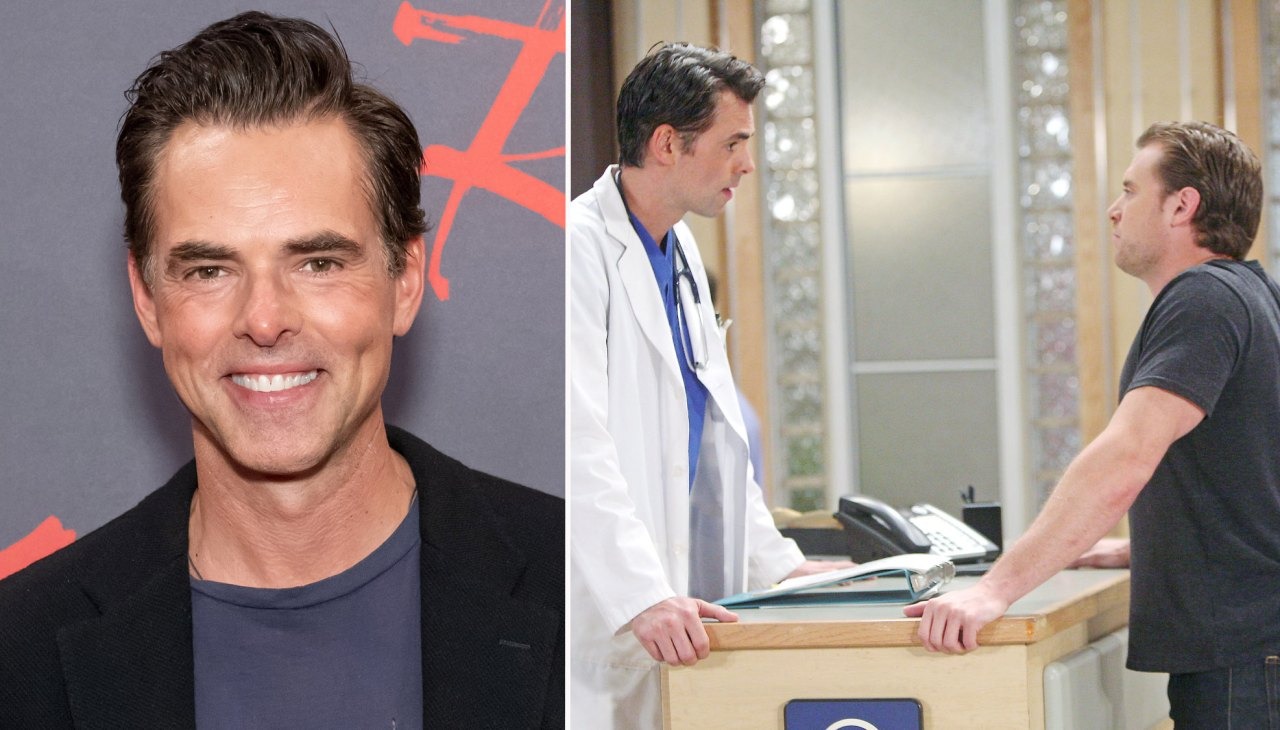
While Phyllis enjoys the spotlight, Cane Ashby’s role in the fallout has largely been minimized. His decisions triggered emotional, professional, and personal damage that rippled through multiple characters. Yet instead of facing consequences, Cane appears to fade into the background, his responsibility diluted or quietly ignored.
Viewers are frustrated by what feels like selective accountability. Cane did the damage — emotionally and strategically — but Phyllis walks away with the credit, the power, and the narrative advantage.
Fans Call Out the Double Standard
Across social media and fan forums, one phrase keeps appearing: double standard. Fans argue that when other characters make similar mistakes, they’re punished relentlessly. But when Phyllis benefits from chaos — even chaos she didn’t fully create — the story bends to protect her.
This uneven treatment has fueled accusations that the show is prioritizing shock value and favoritism over coherent storytelling. For viewers who invest years into these characters, that imbalance feels exhausting.
When Drama Stops Being Fun
Soap operas thrive on heightened emotions, moral gray areas, and explosive confrontations. But there’s a line between compelling drama and repetitive frustration. Many fans believe this storyline crossed it.
Instead of feeling excited to tune in, viewers report feeling drained. The sense that actions no longer carry weight — that damage can be done without consequence — undermines the emotional stakes that once defined the show.
Phyllis: Complex Antihero or Protected Favorite?
Phyllis has always been a polarizing character, and that complexity is part of her appeal. She lies, manipulates, and schemes — but she also owns her ambition unapologetically. The issue now isn’t her behavior; it’s the narrative shield surrounding her.
Fans argue that the show is confusing “complex” with “untouchable.” When Phyllis takes credit for outcomes built on someone else’s destruction and faces no meaningful pushback, her arc stops evolving and starts stagnating.
Cane’s Character Suffers the Most
Perhaps the biggest casualty of this storyline is Cane himself. Once portrayed as layered and conflicted, he now feels reduced to a plot device — a source of damage without follow-through. Fans lament that his potential for accountability, redemption, or even villainous depth has been squandered.
By allowing Cane’s actions to fade into the background, the show misses an opportunity to explore consequence-driven storytelling — something soaps do best when done right.
Viewer Trust Is Wearing Thin
What truly alarms fans is not just this storyline, but what it represents. Many see it as part of a larger pattern: characters behaving recklessly, storylines resolving unevenly, and emotional payoff being sacrificed for short-term twists.
When viewers stop trusting that stories will resolve fairly — or at least logically — engagement suffers. Fans don’t need happy endings; they need earned ones.
Social Media Speaks Loudly
The backlash has been loud and unmistakable. Posts criticizing the storyline have gone viral within fan circles, with viewers openly questioning writing choices and long-term direction. Some fans admit they’re skipping episodes or watching recaps instead of tuning in live.
That level of disengagement is a warning sign no long-running show can afford to ignore.
What Fans Say They Want Instead
Interestingly, fans aren’t calling for Phyllis to be written out or Cane to be destroyed. What they want is balance. Accountability. Acknowledgment of harm. Growth that feels organic rather than convenient.
They want Phyllis challenged, not protected. They want Cane confronted, not erased. Above all, they want the emotional intelligence that once made The Young and the Restless must-watch television.
Can the Story Be Saved?
Soap storylines can pivot — and often do. Many fans are holding out hope that this arc is setting the stage for a reckoning. If Phyllis eventually faces consequences and Cane is forced to confront the damage he caused, the frustration could transform into satisfaction.
But the window is closing. The longer the imbalance continues, the harder it will be to win viewers back.
Final Verdict: Fans Aren’t Mad — They’re Tired
“Fans are FED UP” isn’t just a catchy phrase. It reflects emotional fatigue. Viewers who have loved these characters for decades feel worn down by storytelling that seems to reward chaos without responsibility.
Phyllis taking the credit while Cane did the damage isn’t just a plot twist — it’s a test of viewer loyalty. And right now, many fans are questioning how much more they’re willing to give.