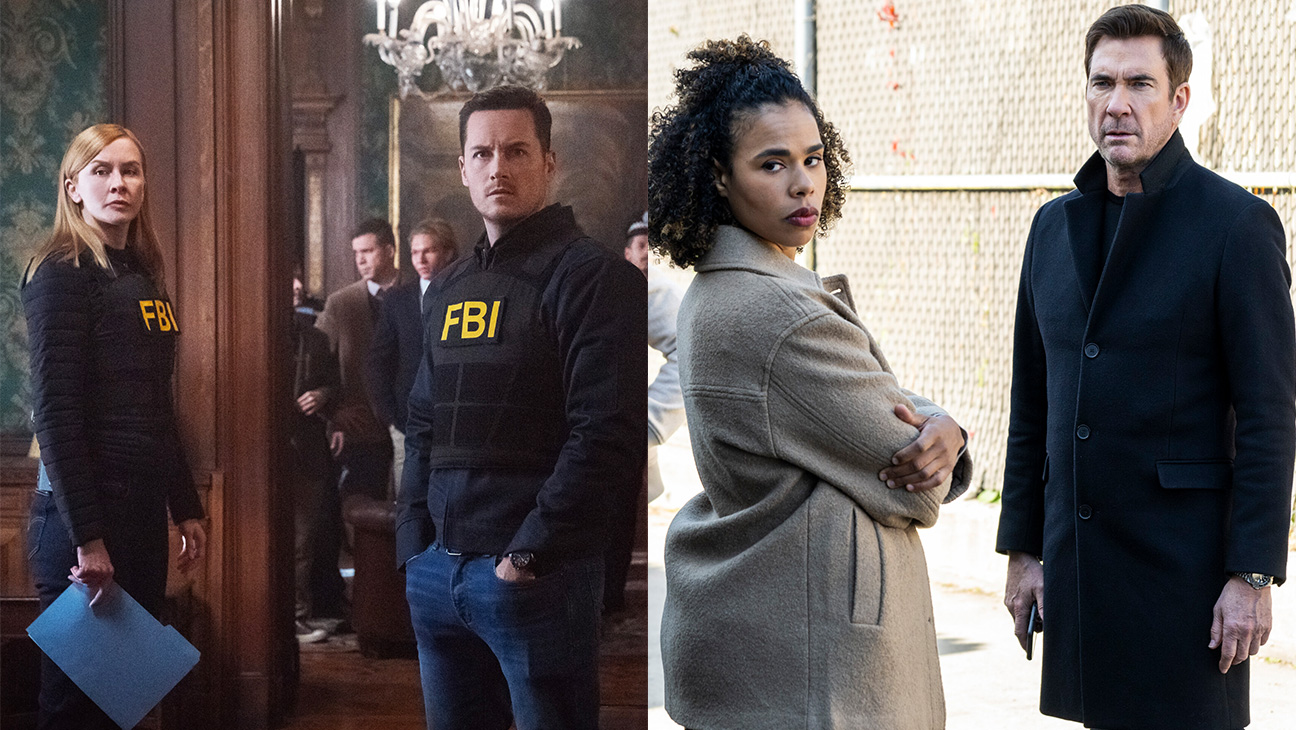
As the 2026 television season approaches its midpoint, a shadow of uncertainty has fallen over the hallowed halls of CBS. While the network remains a titan of broadcast TV, the shifting landscape of streaming and rising production costs has led to the emergence of what industry insiders are calling the 2026 “Kill List.” It is a sobering reality for fans who have spent years invested in their favorite procedurals and sitcoms: in the modern era, even high ratings may not be enough to guarantee survival.
The “shocking reality” behind this year’s renewal cycle is driven by a complex “numbers game” that goes far beyond traditional Nielsen ratings. As CBS and its parent company, Paramount, navigate a pivotal year of restructuring, every show on the slate is being scrutinized under a microscope. From veteran hits to promising newcomers, the question on everyone’s mind is: who will be left standing when the smoke clears?
The Metrics of the “Kill List”
In years past, a show’s fate was determined largely by how many people tuned in at 8:00 PM on a Tuesday. In 2026, the criteria have changed drastically. To survive the “Kill List,” a series must now hit a “Triple Threat” of requirements:
-
Streaming Dominance: How many hours is the show being watched on Paramount+ within the first 72 hours of release?
-
Ownership Stakes: CBS is increasingly prioritizing shows produced in-house (CBS Studios), as the licensing fees for outside productions have become a primary target for budget cuts.
-
The “Legacy” Tax: Long-running hits often face the highest risk. As a show enters Season 8, 9, or 10, the salaries of the cast and crew escalate, making “bubble shows” more expensive to maintain than launching a cheaper, fresh spinoff.
The Big Names on the Bubble
The most “chilling” aspect of the 2026 rumor mill is the caliber of shows currently rumored to be on the chopping block. While heavy hitters like the FBI franchise and Fire Country appear to be safe due to their massive multi-platform footprints, other beloved staples are facing a “survival of the fittest” scenario.
Fans are particularly concerned about veteran procedurals that have crossed the decade mark. The reality is that for every new hit like Sheriff Country, the network must often clear space on the schedule and in the budget. This has led to intense social media campaigns from fanbases desperate to prove their show’s “worth” to the executives in charge of the final “Kill List” decisions.
A Strategy of Spin-offs
The shocking truth behind CBS’s strategy in 2026 isn’t just about what they are cancelling, but what they are choosing to protect. The network is doubling down on “Universe Building.” We are seeing a trend where a parent show might be at risk, but its “DNA” lives on through younger, more cost-effective spin-offs. This allows the network to keep the brand alive while resetting the “financial clock” on production costs.
“The 2026 season is about lean, mean storytelling,” says one industry analyst. “CBS isn’t just cutting shows; they are pruning the garden to make sure the strongest franchises have room to grow.”
What Can Fans Do?
While the “Kill List” feels final, the power of the audience has never been more measurable. In the digital age, “survival” is often dictated by engagement. Streaming the latest episodes on official platforms, engaging with showrunners on social media, and maintaining high “completion rates” (watching an episode from start to finish) are the modern-day votes that keep a show off the list.
The reality of the 2026 television landscape is a high-stakes drama in its own right. As we move toward the official “Upfronts,” fans will be holding their breath to see if their favorites have been granted a new lease on life or if they have fallen victim to the most ruthless “Kill List” in recent memory.