
The Sudden Death of Maxwell Sheffield: Why ‘The Nanny’ Rumor Shocked Fans Worldwide
For a brief moment, the internet froze.
Social media feeds filled with disbelief. Comment sections overflowed with heartbreak. Longtime fans of The Nanny were asking the same haunting question:
“Wait… did Maxwell Sheffield really die?”
The phrase “sudden death of Maxwell Sheffield” spread like wildfire—fast, emotional, and deeply confusing. But here’s where things get interesting. This wasn’t just about death. It was about nostalgia, misinformation, and how fictional characters can feel more real than some people we actually know.
Let’s unpack what really happened—and why it hit fans so hard.
Understanding Maxwell Sheffield: A Character Who Felt Real
Who Is Maxwell Sheffield?
Maxwell Sheffield isn’t a movie star or a real-life celebrity. He’s a fictional character, the polished British Broadway producer from the iconic sitcom The Nanny (1993–1999).
Portrayed by Charles Shaughnessy, Maxwell was:
-
Sophisticated yet emotionally guarded
-
A devoted single father
-
The perfect straight man to Fran Fine’s chaotic charm
Over six seasons, viewers didn’t just watch him—they grew up with him.
Why Fans Thought Maxwell Sheffield Died
The Power of a Viral Rumor
The confusion started the way many modern myths do:
A vague post.
A misleading headline.
A screenshot taken out of context.
Suddenly, phrases like “RIP Maxwell Sheffield” and “The Nanny star dies suddenly” began trending.
No clarification.
No source.
Just emotion.
And emotion travels faster than facts.
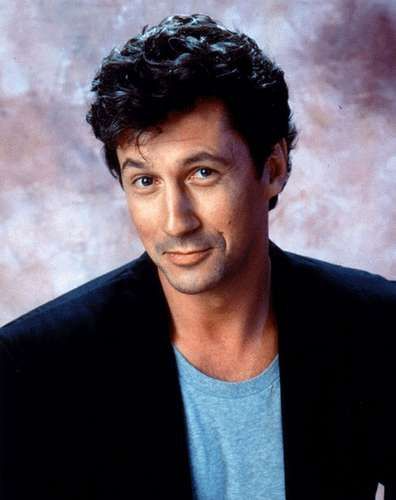
Character vs. Actor: Where the Confusion Exploded
Maxwell Sheffield Is Fictional
Let’s be crystal clear:
-
Maxwell Sheffield is not a real person
-
He did not die
-
There was no storyline involving his death
Charles Shaughnessy Is Alive and Well
The actor behind the role, Charles Shaughnessy, is alive and continues to work in television, voice acting, and theater.
So why did fans react as if they lost someone real?
Parasocial Bonds: Why This Felt Like a Real Loss
TV Characters Become Emotional Family
When you watch a show for six seasons, something strange happens.
You stop watching characters.
You start knowing them.
Maxwell Sheffield wasn’t just a role—he was:
-
A symbol of 90s sitcom stability
-
A reminder of comfort TV
-
A part of childhood for millions
Losing him—even hypothetically—felt personal.
Why ‘The Nanny’ Still Matters Today
Timeless Humor and Emotional Depth
Despite being a sitcom, The Nanny tackled:
-
Single parenthood
-
Class differences
-
Grief and love after loss
Maxwell Sheffield represented restraint, healing, and emotional growth. That’s rare—and powerful.
How Social Media Turns Fiction Into “Breaking News”
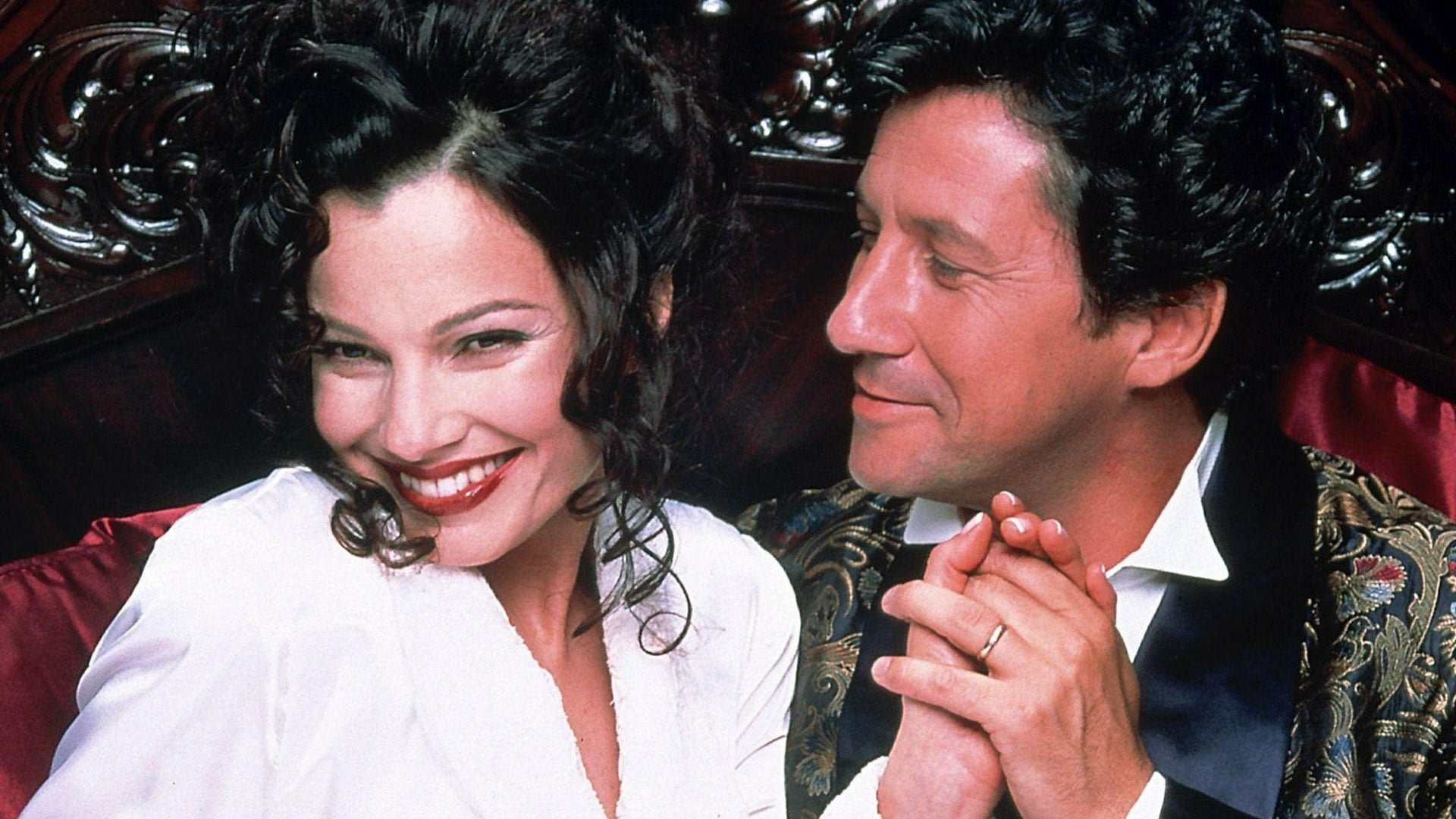
Algorithms Don’t Care About Accuracy
Social platforms reward:
-
Shock
-
Emotion
-
Clicks
Not truth.
A dramatic headline like “The sudden death of Maxwell Sheffield” is irresistible—even if it’s wrong.
The Psychology Behind Mourning a Fictional Character
Why It Hurts Anyway
Think of it like this:
A favorite song ends.
A childhood home is demolished.
A comfort routine disappears.
You grieve the feeling, not the fact.
That’s what happened here.
Charles Shaughnessy’s Legacy as Maxwell Sheffield
A Performance That Defined an Era
Shaughnessy gave Maxwell:
-
Depth without melodrama
-
Humor without caricature
-
Romance without cliché
That’s why fans still talk about him decades later.
Why Rumors About TV Stars Spread Faster Than Ever
Nostalgia + Social Media = Emotional Chaos
Add these together:
-
90s nostalgia boom
-
Streaming rediscovery
-
TikTok edits
-
Misinformation
And suddenly, a fictional death feels real.
The Internet’s Obsession With Celebrity Death Hoaxes
This Isn’t the First Time
From actors to cartoon characters, death hoaxes thrive because they tap into fear and memory.
Maxwell Sheffield was simply the latest victim.
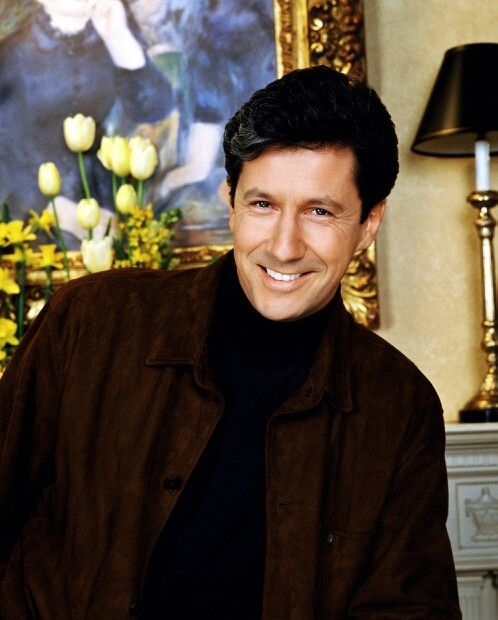
What This Says About Modern Fandom
Fans Are More Emotionally Invested Than Ever
Today’s fans don’t just watch—they archive, analyze, and emotionally attach.
That attachment is powerful… and fragile.
Why ‘Maxwell Sheffield Died’ Felt Believable
Because Time Makes Fiction Feel Final
The show ended in 1999.
Years passed.
Actors aged.
Some cast members died.
So when the rumor hit, it felt plausible.
The Enduring Love Story of Maxwell and Fran
Why Fans Still Care
Their slow-burn romance remains one of sitcom history’s most satisfying payoffs.
Maxwell’s “death” felt like erasing that happy ending.
What Fans Can Learn From This Moment
Pause Before Sharing
Emotion is powerful—but accuracy matters.
Before reposting, ask:
Is this real? Or just viral fiction?
Why Maxwell Sheffield Will Never Truly Die
Because Iconic Characters Live Forever
As long as reruns stream, memes circulate, and fans remember—
Maxwell Sheffield lives on.
Conclusion: A Death That Never Happened—But a Legacy That Endures
The so-called sudden death of Maxwell Sheffield never actually occurred. Yet the reaction to it revealed something deeply human.
We don’t just watch stories.
We carry them.
We grow with them.
And sometimes, we mourn them—even when they never truly left.
That’s the real power of The Nanny. And that’s why Maxwell Sheffield will always matter.
FAQs
1. Did Maxwell Sheffield really die?
No. Maxwell Sheffield is a fictional character from The Nanny and did not die in the show or real life.
2. Is Charles Shaughnessy alive?
Yes. Charles Shaughnessy, who played Maxwell Sheffield, is alive and active in the entertainment industry.
3. Why did people think Maxwell Sheffield died?
A viral rumor and misleading social media posts caused confusion and emotional reactions.
4. Was The Nanny a movie or a TV show?
The Nanny is a television sitcom that aired from 1993 to 1999.
5. Why do fans react so strongly to fictional character deaths?
Because long-running characters form emotional bonds with viewers, making them feel real and personal.