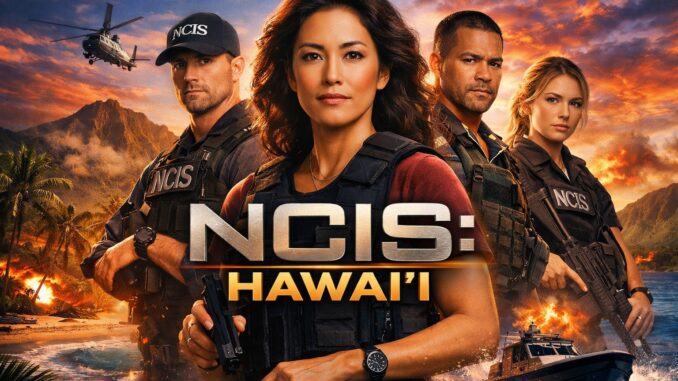
When CBS first announced that “NCIS: Hawaiʻi” was officially in development back in February, the reaction was immediate—and explosive. Fans of the long-running NCIS franchise knew something big was coming. But no one quite expected just how transformative this announcement would turn out to be.
So how did NCIS: Hawaiʻi go from a concept on paper to one of the most talked-about procedural spin-offs in recent television history? Let’s break it all down—step by step, scene by scene, and decision by decision.
The NCIS Franchise: A TV Giant That Refuses to Slow Down
Before diving into Hawaiʻi, it’s worth zooming out.
A Franchise Built on Longevity and Trust
The NCIS brand isn’t just popular—it’s a television institution. With decades of loyal viewership, CBS had mastered the art of procedural storytelling that feels familiar but never stale.
Why Spin-Offs Are Part of the DNA
From NCIS: Los Angeles to NCIS: New Orleans, the franchise had already proven one thing:
Move the formula to a new location, and audiences will follow.
Hawaiʻi, however, wasn’t just another city. It was a statement.
February: The Month Everything Changed for NCIS Fans
The First Official Development Announcement
In February, CBS quietly—but confidently—confirmed that “NCIS: Hawaiʻi” was in development. No trailer. No cast reveal. Just a powerful signal: the franchise was expanding again.
And that was enough.
Why the Timing Mattered
February announcements aren’t random. They’re strategic—early enough to build buzz, late enough to feel deliberate. CBS knew exactly what it was doing.
Why Hawaiʻi Was the Perfect Choice
More Than Just a Pretty Backdrop
Sure, Hawaiʻi brings beaches, sunsets, and postcard visuals. But narratively? It’s a goldmine.
-
Strategic military presence
-
High-stakes international waters
-
Cultural depth and diversity
In other words, drama was baked in.
A Location That Elevates the Stakes
Hawaiʻi isn’t isolated—it’s central to global military operations. That made it a natural home for a Naval Criminal Investigative Service team.
A Bold Creative Vision From Day One
Not Just Another NCIS Clone
From the earliest development stages, NCIS: Hawaiʻi was pitched as something emotionally grounded, visually distinct, and culturally respectful.
CBS wasn’t looking to copy-paste. They wanted evolution.
Balancing Familiarity With Fresh Energy
The challenge?
Keep what fans love—
But don’t play it safe.
That balance became the backbone of the series.
Breaking Barriers: A Historic Franchise First
The First Female Lead in NCIS History
One of the most talked-about elements—once details emerged—was the decision to center the show around a female NCIS Special Agent in Charge.
That wasn’t accidental.
It was intentional.
And it mattered.
Why This Choice Changed the Game
For a franchise built on tradition, this move signaled growth. It told viewers: NCIS is evolving with the times, not chasing them.
Behind the Scenes: Development Challenges and Opportunities
Filming in Hawaiʻi Isn’t Easy
Let’s be real—shooting on an island paradise comes with logistical headaches:
-
Weather unpredictability
-
Remote locations
-
Higher production costs
But CBS leaned in instead of backing off.
Authenticity Over Convenience
Rather than recreating Hawaiʻi on a soundstage, the development team committed to filming on location. That decision paid off in realism and atmosphere.
How Fans Reacted to the February Announcement
Social Media Buzz Exploded Overnight
Within hours, NCIS: Hawaiʻi was trending. Fans speculated about:
-
Casting choices
-
Potential crossovers
-
Tone and style
The hype machine turned on instantly.
Why Loyal Viewers Were Ready
After years of franchise trust, fans didn’t ask if the show would work.
They asked when it would premiere.
The Strategic Importance of Expansion for CBS
Why CBS Needed a New NCIS Series
Network television is competitive. Streaming is relentless. CBS knew that recognizable IP was its strongest weapon.
NCIS as a Ratings Anchor
Launching NCIS: Hawaiʻi wasn’t a gamble—it was a calculated expansion designed to secure long-term audience loyalty.
Cultural Representation as a Development Priority
Respecting Hawaiʻi’s Identity
From day one, the development team emphasized cultural accuracy. Hawaiʻi wasn’t treated as a tourist brochure—it was portrayed as a living, breathing community.
Why This Approach Resonated
Audiences notice authenticity. And when a show gets it right, they reward it with trust and attention.
Crossovers: A Franchise Power Move
Planting the Seeds Early
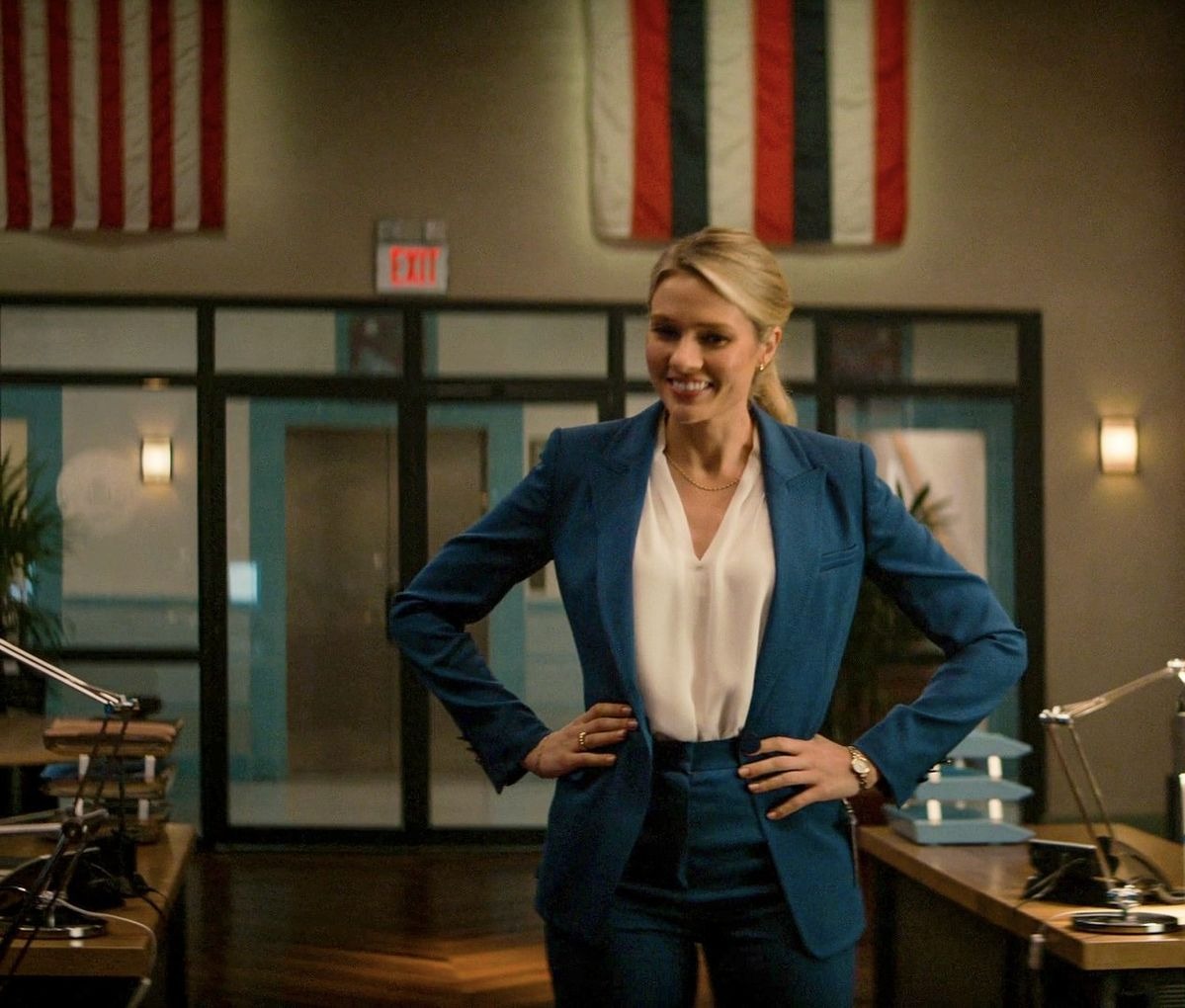
Even during development, CBS hinted at potential crossover opportunities with other NCIS series.
Why Crossovers Keep Fans Invested
It’s like a shared universe—every story feels bigger when characters can cross paths.
From Development to Greenlight: Momentum Builds
Why the February Announcement Was Just the Beginning
Once NCIS: Hawaiʻi entered development, momentum snowballed. Scripts, casting, and production planning moved quickly.
Confidence Was Never in Short Supply
CBS didn’t hesitate. That confidence translated directly to audience excitement.
What Made This Announcement Different From Past Spin-Offs
A Clear Vision From Day One
Unlike previous expansions, NCIS: Hawaiʻi arrived with a strong identity already attached.
Less Guesswork, More Direction
Fans weren’t confused. They were curious—and curiosity drives clicks, conversations, and long-term viewership.
Why NCIS: Hawaiʻi Felt Inevitable
The Franchise Was Ready
After years of success, the NCIS universe had earned the right to grow again.
The Audience Was Waiting
Sometimes, the smartest move is listening. And CBS listened closely.
The Long-Term Impact of That February Announcement
A New Chapter for the Franchise
That single development update marked the beginning of a bold new era.
Proof That NCIS Still Evolves
Longevity doesn’t come from standing still—it comes from adapting while honoring your roots.
Conclusion: One Announcement That Changed Everything
When “NCIS: Hawaiʻi” was first announced as being in development back in February, it wasn’t just news—it was a promise. A promise of fresh stories, deeper representation, and a new perspective on a beloved franchise.
CBS didn’t just add another spin-off.
They expanded the universe.
And fans were ready to dive in.