How a Shocking Rumor Took Over Social Media
In recent days, alarming claims about actress Alana de la Garza’s alleged death spread rapidly across social media, leaving fans of FBI and Law & Order confused and deeply concerned. Posts suggesting that the actress had died following a serious traffic accident appeared suddenly, often without sources, context, or verification. Within hours, the rumor snowballed, shared thousands of times by users reacting emotionally before facts could catch up.
For many fans, the news felt devastating—until questions began to emerge about its credibility.
Setting the Record Straight
Despite widespread online claims, Alana de la Garza is alive and well. There has been no confirmed accident, no official statement from her representatives indicating harm, and no verified report from credible news outlets supporting the rumor. The story circulating online is false.
What occurred was not a tragic event, but a familiar modern phenomenon: a viral misinformation loop fueled by shock-driven headlines, unverified accounts, and algorithmic amplification.
Where Did the Rumor Come From?
Like many celebrity death hoaxes, this one appears to have originated from a misleading post designed to provoke emotional reactions. Such posts often rely on vague wording, dramatic phrasing, and the absence of concrete details—hallmarks of fabricated stories intended to spread quickly.
Once a few high-engagement accounts reshared the claim, the rumor gained momentum. Screenshots replaced sources, speculation replaced facts, and fear traveled faster than truth.
Why Fans Were Especially Vulnerable to Believing It
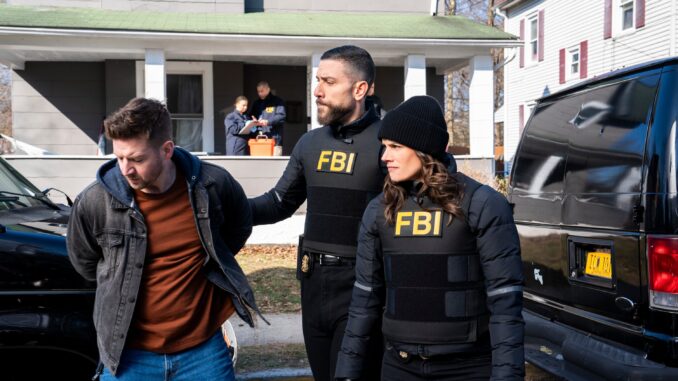
Alana de la Garza has portrayed intense, high-risk storylines throughout her career, particularly in crime dramas like FBI, where her character frequently faces danger. For some viewers, the line between fiction and reality blurred—especially when dramatic on-screen moments coincided with sudden off-screen claims.
Additionally, in an era where audiences have grown accustomed to receiving breaking news directly from social platforms, many fans assumed urgency equaled accuracy. Unfortunately, that assumption is often exploited.
The Emotional Impact on Fans
The reaction from fans was immediate and heartfelt. Messages of grief, shock, and disbelief flooded comment sections. Many expressed how deeply Alana de la Garza’s performances had affected them over the years, crediting her with strong female representation in procedural television.
While the concern came from a place of admiration, the emotional toll of false information should not be underestimated. Even temporary belief in such news can cause real distress.
Why Celebrity Death Hoaxes Keep Happening
False reports of celebrity deaths are not new—but social media has made them faster, louder, and more convincing. Algorithms reward engagement, not accuracy, meaning shocking claims often rise to the top regardless of truth.
In many cases, these rumors are created for clicks, attention, or monetization. In others, they result from misinterpretation, translation errors, or deliberate manipulation of existing content.
Alana de la Garza’s case fits a troubling pattern that continues to affect public figures across the entertainment industry.
The Importance of Verification in the Digital Age
This incident highlights the critical need for verification before sharing sensitive information. Trusted sources, official statements, and reputable outlets remain essential filters in an age of instant news.
Pausing to question where information comes from—especially when it involves life-and-death claims—can prevent unnecessary panic and harm.
Alana de la Garza’s Continued Career and Public Presence
Far from the grim rumors circulating online, Alana de la Garza remains an active and respected figure in television. Known for her commanding presence, emotional depth, and consistency, she continues to be celebrated for her contributions to the genre.
Her work on FBI and earlier roles have earned her a devoted fanbase that spans generations of viewers—many of whom rallied quickly to debunk the false reports once the truth emerged.
A Reminder About Responsibility and Respect
False death rumors do more than misinform—they disrespect the individual involved and their loved ones. Even when created anonymously, such claims can cause anxiety for families, colleagues, and fans alike.
The situation serves as a reminder that public figures are still people, deserving of accuracy, dignity, and respect.
How Fans Can Help Stop the Spread of Misinformation
Fans play a powerful role in shaping online narratives. By refusing to share unverified claims, correcting misinformation when encountered, and encouraging others to seek reliable sources, audiences can help slow the spread of harmful rumors.
In the case of Alana de la Garza, many fans did exactly that—posting clarifications, asking for sources, and reminding others to verify before reacting.
Final Thoughts: Truth Over Shock
The false reports surrounding Alana de la Garza’s alleged death are a sobering example of how quickly misinformation can take hold. Thankfully, the truth is clear: the actress is alive, well, and continuing her career.
While the internet may thrive on shock, truth still matters—and this moment underscores why responsible reporting and mindful sharing are more important than ever.
For fans, the best response isn’t panic, but appreciation—celebrating the work of an actress whose impact remains very much alive.