From The Big Bang Theory to Two and a Half Men, Chuck Lorre’s sitcoms dominate ratings — but they also share a lingering creative flaw. While Lorre aims to craft modern comedies, his humor often feels anchored to an older, harsher era of television.
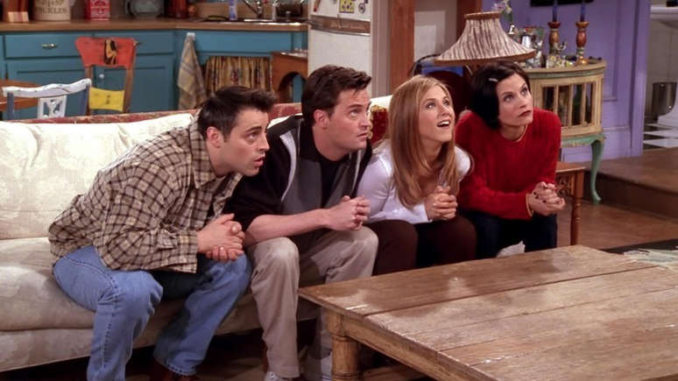
Unlike classics such as Friends, where the characters genuinely care for one another despite dated jokes, Lorre’s shows frequently rely on cruelty as comedy. Insults are constant, empathy is rare, and emotional growth is often undercut by punchlines designed to embarrass rather than connect. In The Big Bang Theory, characters routinely mock each other’s insecurities — intelligence, appearance, social skills — without meaningful consequence.
This approach isn’t about aging poorly; it’s about intention. Modern audiences expect warmth alongside wit, not humor that feels cold or dismissive. Lorre’s greatest success proved he could create a cultural phenomenon, but its legacy also highlights the same issue that runs through his sitcoms: laughs built on meanness rarely age as well as those built on heart.