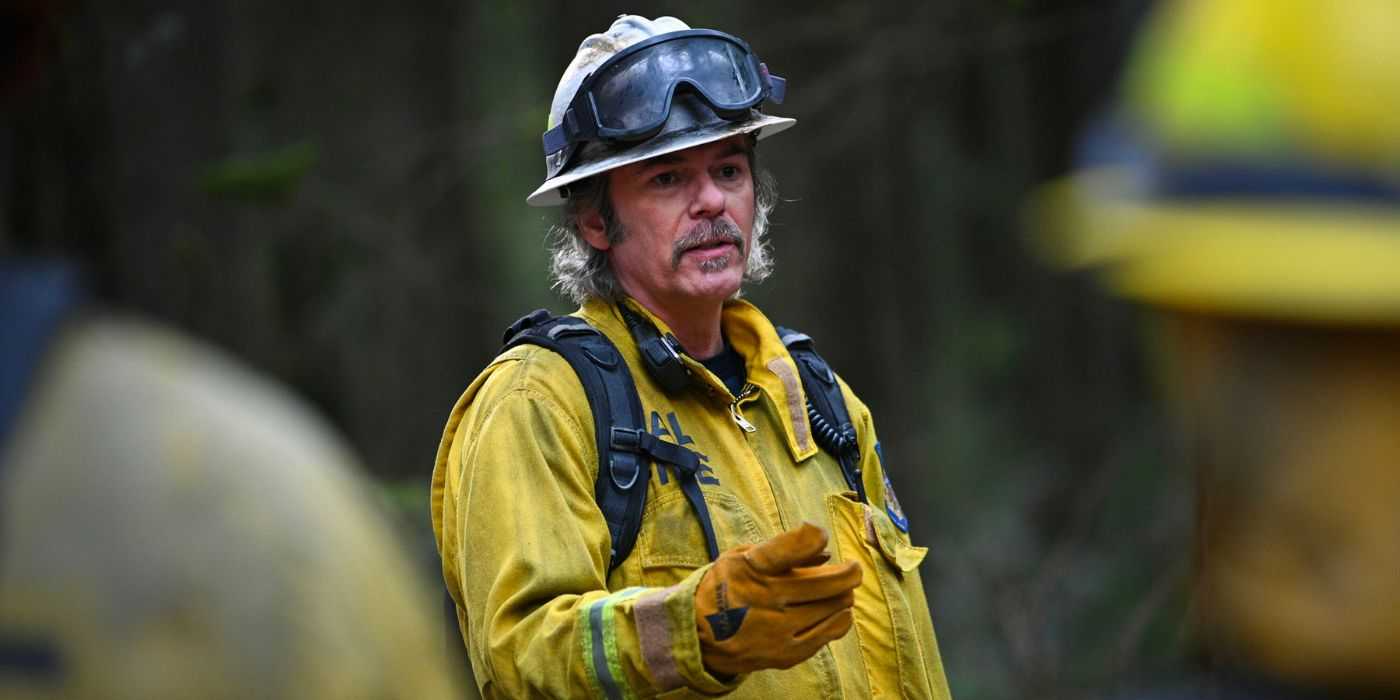
The heartbreaking twist that saw Vince Leone fall in the line of duty has left the Fire Country community in a state of mourning, but as the smoke clears, it is becoming evident that this tragedy might be the most necessary narrative sacrifice the show has ever made. While Billy Burke’s portrayal of the stoic, iron-willed patriarch was the bedrock of the series, his departure serves as a brutal wake-up call, forcing the show to evolve beyond the safe, predictable cycles of family drama and into a more visceral, high-stakes reality.
For three seasons, Vince Leone acted as a safety net for everyone in Edgewater, especially his son, Bode. As long as Vince was at the helm of Station 42, there was a sense that no matter how dire the situation, “Dad” would find a way to fix it. By removing this pillar of stability, the writers have effectively stripped away the plot armor that protected the main characters. His death serves as a haunting reminder that in the world of firefighting, there are no guarantees of a happy ending. This shift in tone restores a sense of genuine danger to the series, making every future fire feel like a legitimate threat rather than just a backdrop for personal dialogue.
Furthermore, Vince’s sacrifice acts as the ultimate catalyst for Bode’s transformation. For the entirety of the show’s run, Bode’s primary motivation was earning his father’s approval and seeking redemption in his eyes. With Vince gone, Bode is forced to find a new, internal reason to stay on the right path. He can no longer be the “rebellious son” because he is now the man of the family. This tragic twist forces Bode to grow up instantly, moving him away from the shadow of his father’s legacy and into a position where he must forge his own identity as a leader and a hero.
From a structural standpoint, this “tragic twist” also paves the way for the series to embrace its new identity as an ensemble-led drama. The loss of a lead character often creates a vacuum that allows supporting players to step into the spotlight, bringing fresh perspectives and new conflicts to the forefront. While fans will undoubtedly miss the grit and gravitas that Billy Burke brought to every scene, the vacuum left by Vince allows the show to explore how a community heals and rebuilds after losing its leader.
Ultimately, while Vince’s death feels like a devastating blow, it is the kind of bold, high-stakes storytelling that prevents a hit series from becoming stagnant. It honors the character’s legacy by having him go out in a true act of heroism, while simultaneously providing the “fire” the show needs to reinvent itself. It is a painful transition, but for Fire Country to truly reach its potential, it had to prove that in Edgewater, the stakes are real, the losses are permanent, and no one is safe.