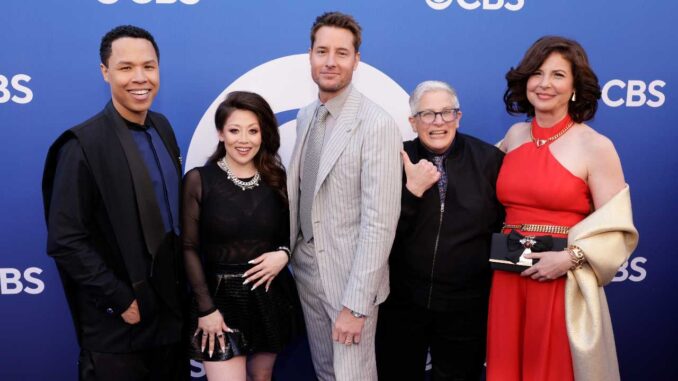
CBS has always been the “safe bet” of American television. Familiar shows. Reliable schedules. Comfort viewing. But something feels… off lately. If you’re a longtime CBS viewer, you’ve probably noticed it too. Lineups are shifting. Shows are disappearing. Programming decisions feel colder, faster, more corporate.
And now the big question is echoing across social media and fan forums:
Is CBS abandoning its core audience to chase something new?
Let’s break it all down — clearly, honestly, and without the PR gloss.
The Quiet but Obvious Shift at CBS
CBS hasn’t held a press conference announcing a dramatic strategy overhaul. But you don’t need one to feel the change. The clues are everywhere.
From Stability to Sudden Change
For decades, CBS thrived on consistency. Procedurals ruled the schedule. Characters aged with viewers. Shows lasted ten seasons without blinking.
Now?
-
Fan-favorite shows are canceled abruptly
-
Long-running franchises are being “retooled” or relocated
-
Scheduling feels experimental instead of dependable
It’s like your favorite neighborhood diner suddenly swapping comfort food for fusion cuisine. Interesting? Maybe. Comforting? Not at all.
Why CBS Is Changing Strategy Right Now
To understand the worry, you have to understand the pressure.
The Streaming Wars Are Forcing Everyone’s Hand
CBS isn’t operating in a vacuum. Netflix, Amazon Prime Video, Apple TV+, and Disney+ changed the rules of the game.
CBS’s response?
-
Push harder into Paramount+
-
Develop streaming-first content
-
Reduce dependence on traditional broadcast metrics
From a business perspective, it makes sense. From a viewer’s perspective? It feels like abandonment.
Broadcast TV vs Streaming: A Dangerous Balancing Act
CBS is trying to walk a tightrope — and viewers are watching every step.
Broadcast Loyalists Feel Ignored
Traditional CBS audiences skew older and value:
-
Predictability
-
Long-running storylines
-
Weekly appointment viewing
Streaming strategies don’t cater to that mindset. When shows move platforms or vanish entirely, viewers feel punished for loyalty.
The Fallout of Canceling Trusted Shows
Nothing erodes trust faster than sudden cancellations.
Why Canceled CBS Shows Hit Harder
CBS viewers invest emotionally. They expect payoff. When a show disappears without closure, it feels personal.
Viewers aren’t just losing entertainment — they’re losing rituals.
Are Younger Audiences Really the Answer?
CBS appears to be pivoting toward younger demographics. But here’s the uncomfortable truth:
Younger Viewers Don’t Watch Like That
Gen Z and younger Millennials:
-
Binge, not wait
-
Skip ads
-
Jump platforms easily
Trying to reshape CBS for them risks alienating the very audience that stayed loyal for decades.
It’s like remodeling a house for guests who might never move in — while kicking out the family already living there.
CBS’s Identity Crisis
This is the heart of the problem.
What Does CBS Stand For Now?
Once upon a time, the answer was clear:
-
Procedurals
-
Broad appeal
-
Mass audiences
Now?
-
Is CBS a streaming brand?
-
A legacy network?
-
A feeder system for Paramount+?
Without a clear identity, trust erodes — fast.
Why Viewers Are Vocal About Their Worries
This isn’t quiet dissatisfaction. It’s loud.
Social Media Tells the Real Story
Fans are:
-
Questioning renewals
-
Complaining about scheduling chaos
-
Accusing CBS of “bait-and-switch” tactics
And when viewers start using words like betrayed? That’s not a good sign.
Franchise Fatigue or Strategic Reset?
CBS still leans heavily on franchises — but even that strategy feels shaky now.
Too Many Spin-Offs, Not Enough Soul
Spin-offs used to feel exciting. Now they feel like placeholders. Viewers can sense when a show exists to fill a slot rather than tell a story.

And audiences are tired of it.
Ratings vs Reputation: The Risk CBS Is Taking
Short-term numbers can look good. Long-term loyalty is harder to rebuild.
Why Reputation Matters More Than Ever
Once viewers stop trusting a network:
-
They stop starting new shows
-
They wait before committing
-
Or they leave entirely
Trust, once broken, doesn’t return easily.
Is Paramount+ the Real Priority Now?
Let’s be honest — it looks that way.
Broadcast Feels Like the Secondary Product
When:
-
Shows move off CBS quickly
-
Storylines feel rushed
-
Promotions push streaming more than airtime
Viewers connect the dots. And they don’t like what they see.
The Emotional Cost of Strategic Shifts
This isn’t just about content. It’s about connection.
Why Viewers Feel Personally Affected
People grew up with CBS. It played in living rooms during dinner. It became part of family routines.
Changing strategy without bringing viewers along feels like being ghosted by an old friend.
Can CBS Fix This Before It’s Too Late?
Yes — but only if it listens.
What CBS Needs to Do Right Now
-
Communicate clearly with audiences
-
Respect broadcast viewers, not sideline them
-
Balance innovation with stability
Change isn’t the enemy. Silence is.
Lessons CBS Should Learn From Other Networks
Other networks made similar pivots — with mixed results.
What Worked Elsewhere
-
Gradual transitions
-
Clear messaging
-
Protecting flagship shows
CBS still has time to course-correct. But the window is closing.
What This Means for the Future of CBS
The next two years will define the network.
A Fork in the Road
CBS can become:
-
A trusted hybrid network that evolves responsibly
or -
Another legacy brand that lost its audience chasing trends
The choice matters — and viewers are watching closely.
Conclusion: Change Isn’t the Problem — How CBS Handles It Is
CBS changing strategy isn’t shocking. It’s inevitable. Every network must evolve.
But how you change matters just as much as why you change.
Right now, CBS feels like it’s sprinting ahead without checking if anyone’s still following. And viewers? They’re worried not because they hate change — but because they fear being left behind.
If CBS wants to protect its future, it must first rebuild trust. Because in television, loyalty isn’t automatic. It’s earned — episode by episode.