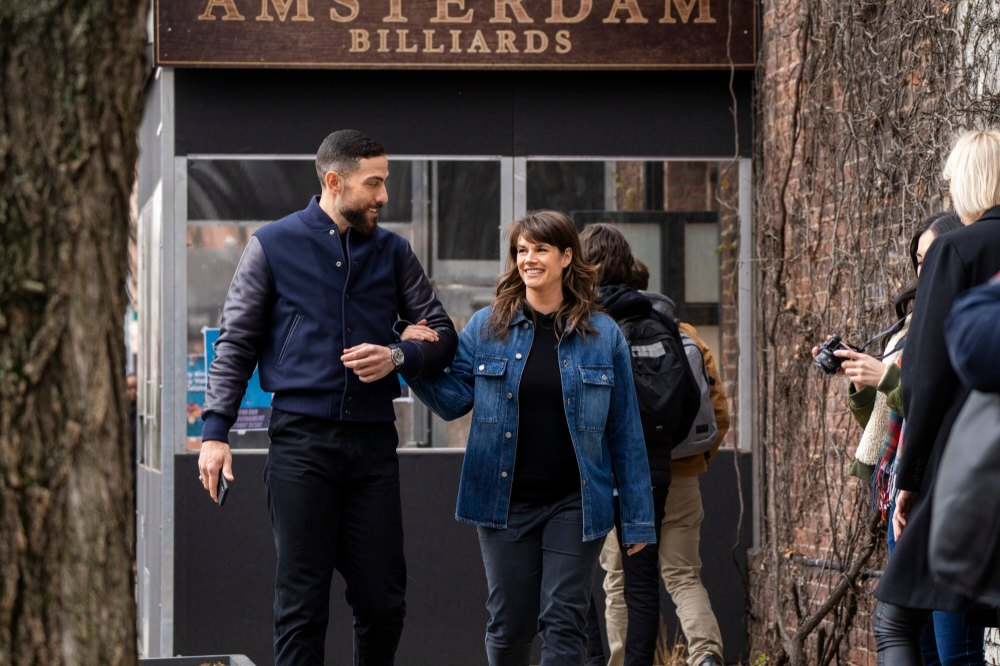
For years, the “will-they-won’t-they” tension between Special Agents Maggie Bell and Omar Adom “OA” Zidan has been a central talking point for the FBI fanbase. In a television landscape where partners often inevitably cross the line into romance—think Bones, Castle, or The X-Files—the bond between Maggie and OA has remained steadfastly platonic.
As the series moves through its 2026 season, stars Missy Peregrym and Zeeko Zaki have been increasingly vocal about why they are hesitant to let their characters find love with one another. Their reasoning goes beyond simple plot mechanics; it’s about protecting the unique integrity of the show.
1. Preserving the “Work Marriage” Dynamic
The core of the show’s appeal is the absolute, unwavering trust between the two leads. Missy Peregrym has often noted that introducing a romantic element could “muddy the waters” of their professional partnership.
-
Unconditional Trust: Currently, Maggie and OA would take a bullet for each other without hesitation. Peregrym argues that if they were dating, that instinct would shift from “professional duty” to “personal panic,” changing the stakes of every action sequence.
-
The “Bickering” Factor: Most TV romances rely on conflict and “breakup drama” to keep viewers engaged. The actors feel that Maggie and OA are stronger as a unified front, providing a stable foundation for the rest of the team.
2. A Rare Representation of Platonic Love
Zeeko Zaki has been particularly protective of the platonic nature of their bond. In several interviews, he has highlighted that television rarely portrays a deep, intimate, and emotional relationship between a man and a woman that doesn’t end in a bedroom.
“There is something beautiful about a man and a woman who love each other deeply but aren’t ‘in love,'” Zaki shared. “It’s a different kind of soulmate. We want to show that you can have a life-long partner who is your best friend without it having to be sexualized.”
3. The “Jump the Shark” Risk
Both actors are students of television history and are well aware of the “Moonlighting Curse”—the phenomenon where a show loses its tension and ratings once the lead characters finally get together.
By keeping the romance at bay, they maintain a “slow-burn” energy that keeps fans theorizing and engaged. If they were to become a couple, the writers would eventually have to deal with the logistics of them working together (which the FBI generally discourages for domestic partners), potentially forcing one of them to leave the field office.
How the Show Explores Their Love Instead
Instead of traditional romance, the 2026 season has doubled down on their familial bond:
-
The “Uncle OA” Role: With Maggie raising young Ella, OA has stepped into a “de facto” family role. Seeing him support Maggie in her motherhood journey has satisfied fans’ desire for intimacy without compromising their professional roles.
-
The Vulnerability: When one is injured or in danger, the other’s reaction is visceral. This “emotional intimacy” provides all the weight of a romance without the complications of a relationship.
| Feature | Platonic Partnership (Current) | Romantic Relationship (Potential) |
| Trust Level | Absolute / Professional | Protective / Personal |
| Story Conflict | External (The Case) | Internal (The Relationship) |
| Longevity | Stable for multiple seasons | High risk of “Jump the Shark” |
The Verdict: “If It Ain’t Broke…”
For now, Peregrym and Zaki seem to have a pact with the writers to keep the status quo. They believe the strength of FBI lies in the “professional soulmate” dynamic. While they haven’t ruled it out for a series finale, both actors agree that as long as the show is running, Maggie and OA are better off as partners than as lovers.
It’s a rare stance in Hollywood, but it’s one that has earned the respect of viewers who appreciate the show’s focus on the job and the deep, uncomplicated loyalty between two heroes.