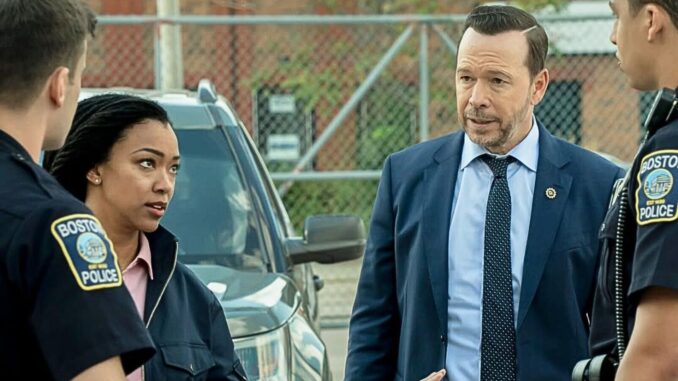
For more than a decade, Blue Bloods has stood as one of CBS’s most enduring and beloved dramas. With its powerful blend of family loyalty, law enforcement ethics, and emotional storytelling, the series has built a fiercely loyal fan base that followed the Reagan family through triumph, tragedy, and tough moral choices. But while viewers know the characters inside and out, much of what happens behind the scenes has remained a closely guarded secret—until now.
From unexpected cast dynamics to production traditions that shaped the show’s identity, these four behind-the-scenes revelations offer a fascinating look at how Blue Bloods truly came to life. And yes—some of them may surprise even the most devoted fans.
1. The Reagan Family Dinner Scenes Were Harder to Film Than Anyone Imagined
The iconic Reagan family dinner scenes became the emotional backbone of Blue Bloods. Every week, viewers gathered around their screens as Frank Reagan and his children debated faith, justice, and personal responsibility over a home-cooked meal. But what many fans don’t realize is that these scenes were among the most challenging sequences to film.
Each dinner scene often took an entire day—or more—to shoot, despite appearing on screen for only a few minutes. With multiple cameras, overlapping dialogue, and long monologues packed with emotional weight, the margin for error was slim. One forgotten line or awkward pause could mean starting over from scratch.
Adding to the challenge was the fact that the actors were actually eating real food. Continuity became a constant issue, as plates needed to look identical from take to take. Over the years, several cast members admitted they learned the art of “fake eating” to avoid consuming the same meal repeatedly. Despite the difficulty, the cast unanimously agreed the dinner scenes were sacred—non-negotiable moments that defined the heart of Blue Bloods.
2. Tom Selleck Quietly Shaped the Show More Than Fans Realize
Tom Selleck’s portrayal of Police Commissioner Frank Reagan was central to the series’ success, but his influence extended far beyond his on-screen performance. Behind the scenes, Selleck became a guiding force for both cast and crew, quietly helping shape the tone and integrity of the show.
Known for his professionalism and old-school work ethic, Selleck frequently offered input on scripts—especially when it came to Frank’s moral stance or leadership style. Writers have acknowledged that he would sometimes push back on dialogue that felt out of character, insisting that Frank Reagan remain consistent, principled, and grounded in realism.
Perhaps most striking was Selleck’s role as a mentor. Younger cast members often described him as approachable, generous with advice, and deeply respectful of the ensemble. His presence helped foster a set culture built on discipline, collaboration, and mutual respect—one that many believe contributed to the show’s remarkable longevity.
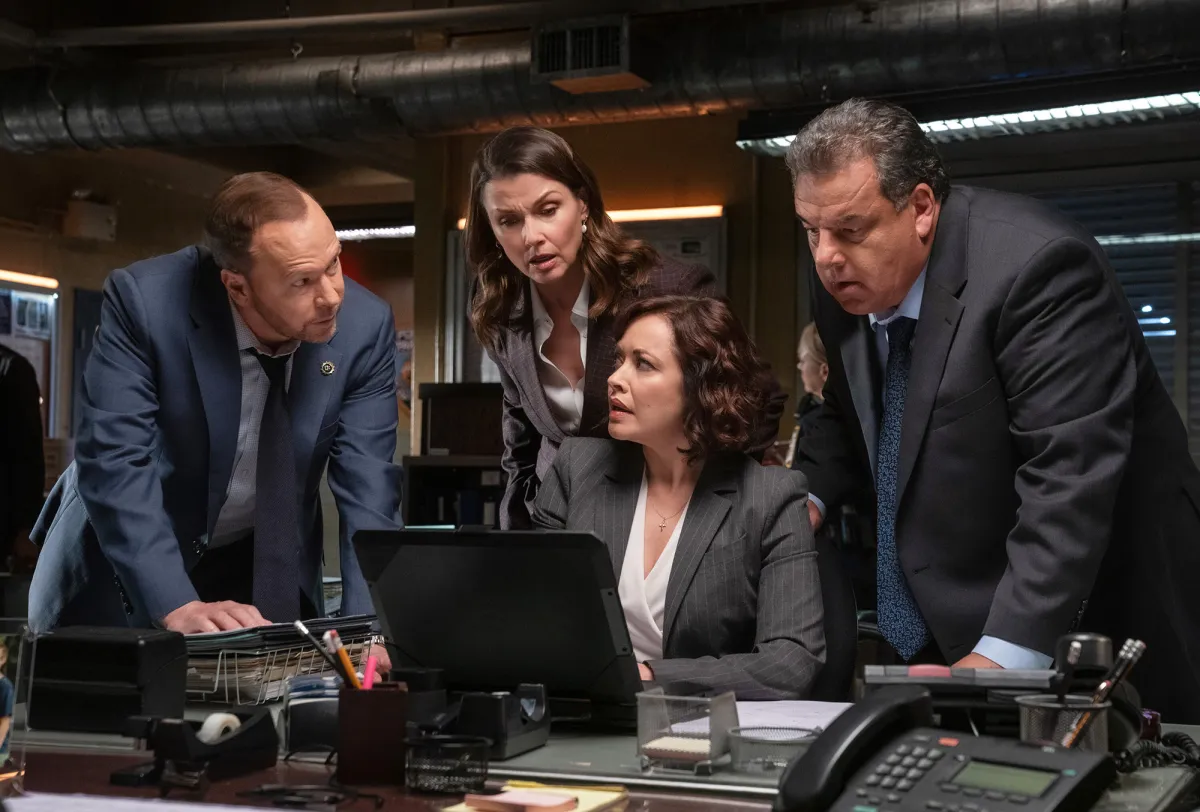
3. Not All Cast Relationships Were Smooth at First
While the Reagan family appeared perfectly united on screen, the reality behind the camera was more complex—especially in the early seasons. Like any long-running ensemble show, Blue Bloods experienced its share of growing pains.
Several cast members have since revealed that chemistry didn’t come instantly for everyone. The intense subject matter, demanding schedules, and pressure to succeed occasionally led to tension during the show’s formative years. Some actors struggled to balance their individual performances with the collective family dynamic the show demanded.
However, those early challenges ultimately strengthened the cast. Over time, trust grew, bonds deepened, and disagreements gave way to genuine friendships. By the later seasons, the ensemble described the set as feeling more like a real family than a workplace—a transformation that many believe translated directly into the emotional authenticity viewers saw on screen.
4. The Show’s Commitment to Authenticity Went Further Than Viewers Ever Knew
One of Blue Bloods’ defining traits was its commitment to authenticity, particularly in portraying law enforcement procedures and ethical dilemmas. What fans may not know is just how far the production team went to maintain that realism.
From day one, the show worked closely with real-life police officers, detectives, and legal consultants, many of whom reviewed scripts line by line. If a procedure felt unrealistic or a legal outcome seemed implausible, writers were encouraged to revise—even if it meant reworking entire storylines.
This dedication extended to wardrobe, props, and even body language. Actors underwent training to ensure their movements, terminology, and reactions matched real-world law enforcement behavior. For some performers, this commitment became deeply personal, as they connected with officers who shared firsthand experiences that later inspired story arcs.
The result was a series that felt grounded and credible, earning respect not only from fans but also from professionals within the law enforcement community.
A Legacy Built on More Than Just Storylines
As Blue Bloods continues to be celebrated long after its final episodes, these behind-the-scenes secrets reveal the deeper foundation that made the show so successful. It wasn’t just compelling writing or strong performances—it was the culture of respect, authenticity, and shared purpose that defined the production.
The Reagan family may have been fictional, but the bonds formed among the cast and crew were very real. From painstakingly filmed dinner scenes to quiet leadership behind the camera, Blue Bloods proved that the strongest television legacies are built not only on what viewers see—but on the unseen dedication that brings each story to life.
For fans, knowing these secrets only deepens the appreciation for a series that never stopped striving to be honest, heartfelt, and human—both on screen and off.