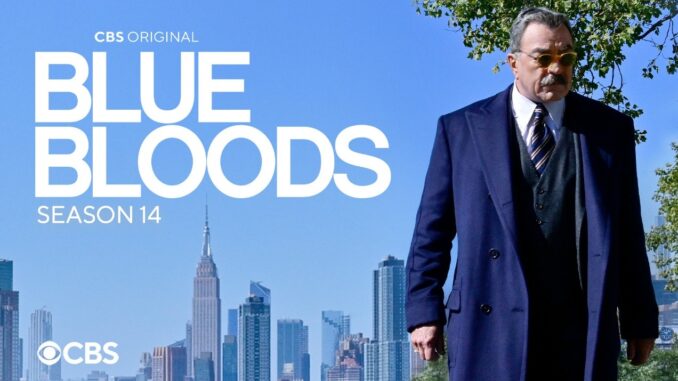
Recasting is nothing new in television, but every so often, a casting change lands with enough force to completely shake a fandom. In 2025, TV audiences were hit with a wave of recastings that didn’t just tweak storylines—they redefined characters, sparked controversy, and, in some cases, split viewers right down the middle.
From a deeply personal recast involving Donnie Wahlberg’s on-screen son on Boston Blue to a surprising shift in Stranger Things that left fans stunned, here’s a closer look at the most shocking TV recastings of 2025—and why they mattered so much.
Why 2025 Became the Year of Recasting Shockwaves
The television landscape is changing rapidly. Longer gaps between seasons, evolving contracts, franchise expansions, and aging storylines have made recasting more common—but not necessarily more accepted.
In 2025, several shows made bold choices that went far beyond routine casting adjustments. These weren’t background characters or minor roles. These were emotionally significant figures with established histories—and devoted fan bases.
That’s why the reactions were so intense.
Boston Blue: Recasting Donnie Wahlberg’s Son Hits a Nerve
Few recastings in 2025 felt as personal as the one on Boston Blue.
The CBS drama made headlines when it revealed a new actor stepping into the role of Donnie Wahlberg’s on-screen son—a character deeply tied to themes of legacy, family, and emotional continuity. Fans weren’t just watching a character; they were watching a father-son dynamic that had been carefully built over time.
The sudden change sparked immediate backlash.
Viewers questioned whether the emotional weight of past scenes could survive with a new face. Some worried the recast signaled a larger creative shift for the show, while others speculated about behind-the-scenes decisions CBS hadn’t fully explained.
While producers emphasized the recast was made to serve future storylines, fans weren’t convinced right away. For many, the bond between Wahlberg’s character and his son was irreplaceable—and changing that dynamic felt risky at best.
Stranger Things: Holly’s Recasting Leaves Fans Reeling
Netflix’s Stranger Things is no stranger to change, but recasting Holly Wheeler in 2025 caught even longtime viewers off guard.
Holly, once a background presence, has grown in narrative importance as the series moves closer to its endgame. Recasting her wasn’t just a cosmetic update—it suggested a more active role in the unfolding story.
Fans were divided instantly.
Some welcomed the move, viewing it as a natural evolution for a character who had outgrown her original role. Others felt blindsided, arguing that Stranger Things had built its emotional resonance on consistency—and that even small changes disrupted that delicate balance.
The recast raised bigger questions: How much can a show change before it loses its emotional continuity? And when does evolution cross into disruption?
Soap Shockwaves: Legacy Characters, New Faces
Daytime television also delivered some of the most controversial recastings of 2025.
On long-running soaps, recasting legacy characters is always risky—but this year’s changes felt particularly abrupt. In several cases, actors with decades-long associations with their roles were replaced with little on-screen acknowledgment, leaving viewers scrambling for explanations.
Soap fans, known for their loyalty and attention to detail, didn’t hold back. Social media lit up with comparisons, critiques, and debates over whether emotional authenticity had been sacrificed for convenience.
In a genre built on memory and continuity, these recastings hit hard.
Procedurals Take Bigger Risks
Procedural dramas joined the recasting trend in 2025, but with higher stakes than ever before.
In multiple cases, shows chose to recast emotionally central characters rather than write them out. While producers framed the decisions as necessary for long-term storytelling, fans weren’t always convinced the trade-off was worth it.
Recasting a procedural lead or family member doesn’t just affect future episodes—it retroactively changes how viewers experience past seasons. And that’s where many fans struggled.
When Recasting Works—and When It Doesn’t
Not all 2025 recastings were disasters.
Some shows managed the transition carefully, giving new actors time to settle in and allowing storylines to acknowledge the change. In these cases, fans were more forgiving—especially when the performance honored the spirit of the original portrayal.
But when recasting happened suddenly, without narrative framing or emotional grounding, backlash was almost inevitable.
The lesson was clear: how a show recasts matters just as much as who is recast.
Fan Backlash vs. Creative Reality
Behind every recasting lies a complex reality—contract disputes, scheduling conflicts, creative differences, or personal circumstances that rarely make headlines.
But fans don’t experience those realities. They experience the story.
And when a familiar face disappears overnight, viewers often interpret it as a creative failure rather than a logistical necessity. In 2025, that disconnect fueled frustration across multiple fandoms.
Some shows addressed the backlash head-on, offering transparency and context. Others stayed silent—allowing speculation to grow unchecked.
Social Media Amplifies Every Reaction
If there’s one reason 2025’s recastings felt more explosive than usual, it’s social media.
Fan reactions spread instantly. Side-by-side comparisons went viral. Emotional threads dissected every scene. Hashtags calling for reversals trended within hours.
In this environment, recasting isn’t just a production decision—it’s a public relations event.
Shows that underestimated that reality paid the price.
What These Recastings Say About TV’s Future
The wave of shocking recastings in 2025 reflects a larger truth about modern television: longevity is harder than ever.
As shows stretch across years—or even decades—maintaining perfect continuity becomes increasingly unrealistic. Recasting, once rare and carefully hidden, is becoming a visible survival strategy.
The challenge moving forward will be balance.
Audiences are willing to accept change—but only when it feels respectful, intentional, and emotionally grounded.
Final Thoughts
From Boston Blue to Stranger Things, the most shocking TV recastings of 2025 weren’t just about new actors stepping into old roles. They were about trust—between shows and their audiences.
Some recastings may eventually be embraced. Others will remain sore spots in fandom memory. But all of them serve as reminders of how deeply viewers connect to characters—and how fragile that connection can be.
In a year defined by bold creative risks, one thing became clear: when it comes to recasting, shock alone isn’t enough.
What truly matters is whether the story—and the audience—can move forward together.