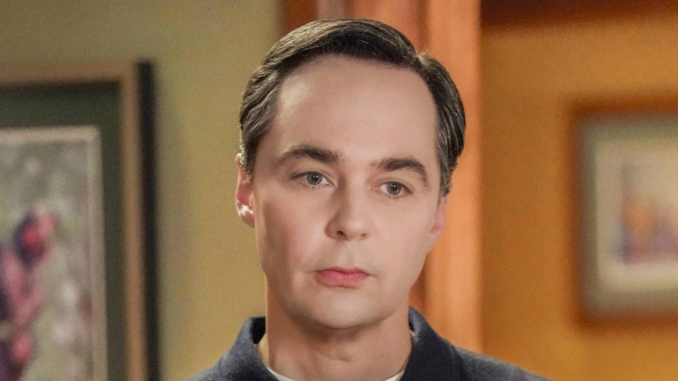
Looking back six years after The Big Bang Theory ended, Jim Parsons’ decision to walk away no longer feels shocking — it feels inevitable. Despite the sitcom’s enormous success and continued dominance on streaming platforms, the role of Sheldon Cooper demanded an extraordinary level of precision and discipline.
Behind the scenes, Parsons reportedly approached Sheldon with near-theatrical intensity. While his co-stars enjoyed lighter moments between takes, Parsons was known for studying relentlessly, ensuring every line and cadence landed exactly as written. Sheldon wasn’t just another sitcom character — he was a technical performance that required unwavering focus.
Over twelve seasons, that level of commitment came at a cost. When Parsons chose to step away, it wasn’t a rejection of success, but an acknowledgment of exhaustion. Sheldon had reached his narrative peak, culminating in a Nobel Prize and emotional growth.
In hindsight, Parsons didn’t abandon the show — he completed it.