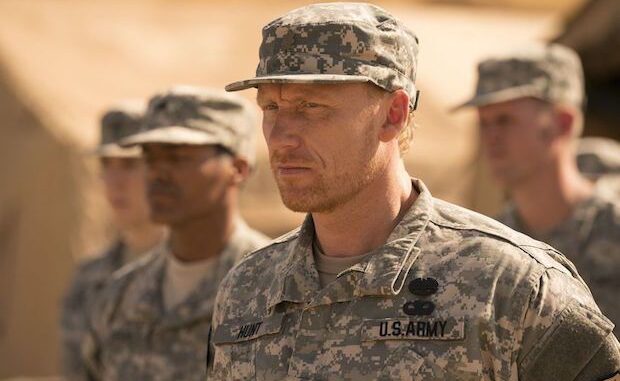
In recent days, social media has once again proven how quickly misinformation can spread, especially when it involves a controversial character from a long-running television series. Rumors claiming that Kevin McKidd, the actor best known for portraying Dr. Owen Hunt on Grey’s Anatomy, had passed away began circulating online. Although the claims were entirely false, the reaction from parts of the fandom was deeply troubling — and revealing.
Kevin McKidd is alive and well. Yet the speed at which the rumor spread, combined with the disturbing gloating from some fans, highlights a growing issue within modern fan culture: the inability to separate fictional characters from the real people who portray them.
Owen Hunt: A Character That Divides the Fandom
Owen Hunt has long been one of the most polarizing characters in Grey’s Anatomy. Introduced as a war veteran with deep emotional scars, Owen’s storylines have tackled PTSD, trauma, and complicated romantic relationships. However, many fans have criticized the character for his treatment of women, particularly in storylines involving Cristina Yang, Amelia Shepherd, and Teddy Altman.
Over the years, Owen has become a lightning rod for fan frustration. Online discussions often label him as toxic, controlling, or emotionally harmful. While criticism of a fictional character is fair game, the hostility has increasingly spilled over onto the actor himself — a line that should never be crossed.
The Rumor and the Reaction
When false reports of Kevin McKidd’s death appeared, some fans responded not with concern or sympathy, but with celebration. Comments mocking Owen Hunt, making jokes about “karma,” or expressing relief were shared widely. Even though these reactions were aimed at the character, they were attached to news about a real human being.
This kind of response exposes a darker side of fandom. Gloating over death — even a rumored one — reflects a lack of empathy and a disturbing detachment from reality. It also raises questions about how normalized cruelty has become in online spaces.
Fiction vs. Reality: A Line Too Often Blurred
Actors are not their characters. Kevin McKidd did not write Owen Hunt’s storylines, nor did he control the creative decisions that made the character controversial. Yet in the age of social media, performers are increasingly treated as extensions of the roles they play.
This phenomenon is not unique to Grey’s Anatomy. Across television and film fandoms, actors have faced harassment, threats, and abuse simply for portraying disliked characters. The false rumor about McKidd’s death and the gloating it inspired are just the latest example of how extreme this behavior can become.
Why Gloating Is a Problem
Celebrating or joking about someone’s death — real or rumored — dehumanizes the individual and erodes basic compassion. It also sets a dangerous precedent: if hatred for a fictional character justifies cruelty toward a real person, then fandom spaces become hostile rather than creative or supportive.
Moreover, misinformation can cause real harm. False death reports can distress family members, friends, and fans who believe them. They also contribute to a culture where truth matters less than outrage or personal satisfaction.
A Call for Healthier Fan Conversations
It’s perfectly valid to dislike Owen Hunt. It’s valid to criticize bad writing choices, repetitive storylines, or harmful character arcs. But those conversations must remain grounded in respect for the real people involved.
Kevin McKidd is an actor doing his job, bringing a complex and flawed character to life. The intensity of the reaction to a false rumor about his death should serve as a wake-up call for fandoms everywhere: passion should never override humanity.
Conclusion
The rumor about Kevin McKidd’s death was false, but the reaction to it was very real — and deeply concerning. The gloating seen among some Grey’s Anatomy fans reflects a growing problem in online culture, where empathy is often sacrificed for clicks, likes, and emotional release.
As viewers, fans, and participants in online communities, we have a responsibility to do better. Disliking a character should never translate into celebrating harm to a real person. In the end, television is fiction — but compassion should always be real.