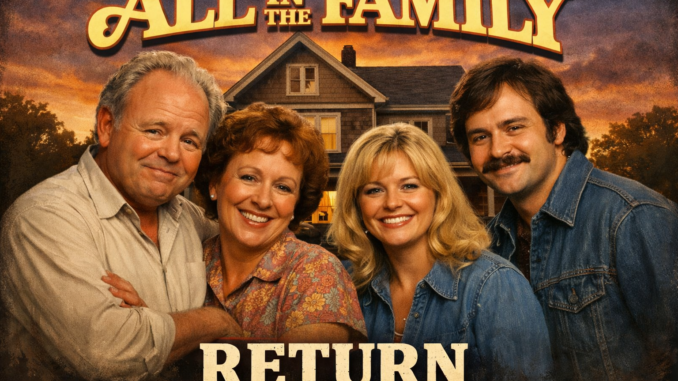
The Unexpected Return of “All in the Family” Is Set to Disrupt Modern Television
The television landscape is no stranger to reboots, revivals, and nostalgia-driven returns. But every once in a while, a comeback isn’t just surprising—it’s seismic. The unexpected return of the legendary television series “All in the Family” is one of those moments. And if early predictions are right, this revival isn’t just entertainment—it’s disruption in its purest form.
So why is everyone talking about it? And more importantly, why does this particular return feel like lighting a match in a room full of gasoline? Let’s break it all down.
A Brief Reminder: What Made “All in the Family” So Revolutionary
Before we talk about the future, we need to understand the past.
The Sitcom That Changed Television Forever
When All in the Family first aired in the 1970s, it didn’t just push boundaries—it bulldozed them. The show tackled racism, sexism, politics, religion, and class struggles head-on, all through the lens of a working-class American family.
Archie Bunker: A Character You Loved to Hate
At the center was Archie Bunker, a character who embodied outdated beliefs and social prejudice. But here’s the genius part: the show didn’t celebrate him—it exposed him. His ignorance was the joke, not the lesson.
This distinction is exactly why the show still matters today.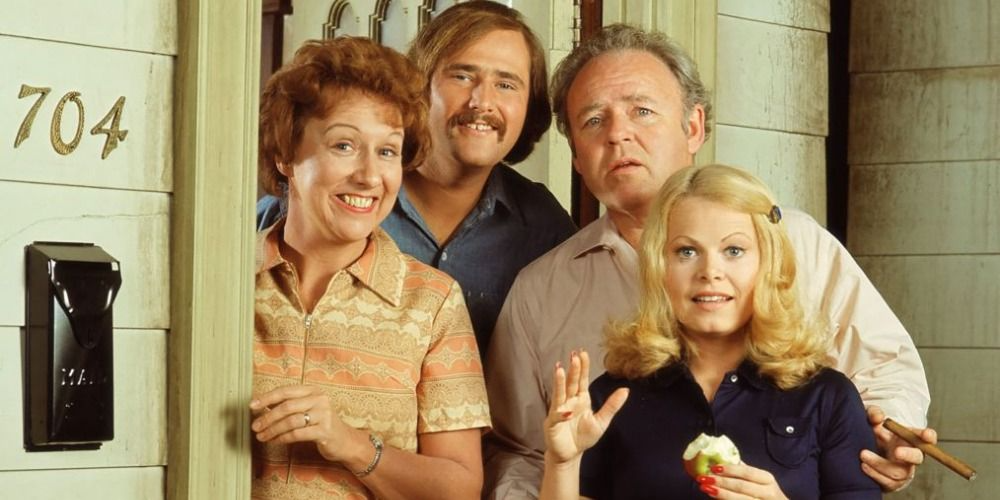
Why the Return of “All in the Family” Is So Unexpected
In an Era of Caution, This Show Is a Risk
Modern television often walks on eggshells. Networks are careful. Scripts are filtered. Controversy is usually avoided unless it’s carefully packaged.
So reviving a show known for confronting uncomfortable truths? That’s not just bold—it’s borderline rebellious.
No One Was Asking for This… Or Were They?
Unlike other reboots driven by fan demand, this return feels almost defiant. It’s not chasing trends. It’s challenging them.
Why This Revival Could Cause Major Disruption
1. It Challenges Modern Sensibilities
Let’s be honest—All in the Family is not “safe” content. And that’s exactly the point.
The show forces audiences to confront ideas they’d rather scroll past. In a world of curated opinions and algorithm-friendly narratives, that’s disruptive by nature.
2. It Reopens Cultural Conversations We’ve Avoided
Racism. Class. Political division. Gender roles.
These topics didn’t disappear—they just moved to social media comment sections. This show drags them back into the living room.
The Clash Between Classic Satire and Cancel Culture
Can Satire Still Survive?
Satire used to be a scalpel—sharp, precise, and necessary. Today, it’s often mistaken for endorsement.
That misunderstanding is at the heart of the controversy surrounding this return.
Context Is Everything—and Context Is Often Lost
All in the Family relies heavily on context, nuance, and irony. In the age of viral clips and outrage headlines, will audiences take the time to understand it?
That question alone makes this comeback explosive.
How the Show May Be Reimagined for a Modern Audience
Updated Characters, Same Core Conflict
Early speculation suggests the revival won’t simply copy the original. Instead, it may flip perspectives—placing outdated thinking in new forms, perhaps even from unexpected characters.
Social Issues Haven’t Changed—They’ve Mutated
The arguments are still here. They just wear different clothes.
From social media tribalism to generational divides, the modern version has plenty of material to work with.
Why This Return Feels Different From Other Reboots
This Isn’t About Comfort—It’s About Confrontation
Most reboots offer nostalgia as a warm blanket. All in the Family offers it like a mirror—and sometimes mirrors aren’t flattering.
It Refuses to Be Background Noise
This isn’t a show you half-watch while scrolling your phone. It demands attention. And in today’s distracted world, that’s rare.
The Potential Impact on Modern Sitcoms
A Wake-Up Call for Safe Comedy
For years, sitcoms have leaned toward relatability and softness. This revival could remind creators that comedy can be sharp, uncomfortable, and still meaningful.
Opening the Door for Braver Storytelling
If this show succeeds, it may give networks permission to take risks again. And that could change everything.
Audience Reactions: Applause, Outrage, and Everything in Between
Why People Will Argue About This Show
Because it hits close to home.
Everyone sees someone they know in All in the Family. Sometimes, they see themselves—and that’s unsettling.
Controversy as a Feature, Not a Bug
The show was never meant to unite everyone. It was meant to start conversations. Loud ones.
The Role of Streaming Platforms in the Disruption
Freedom From Traditional Network Rules
If released on a streaming platform, the show gains flexibility—longer dialogues, riskier jokes, and fewer restrictions.
Binge-Watching Meets Social Debate
Imagine one episode sparking a week-long online argument. That’s not just engagement—that’s cultural impact.
Why Younger Audiences Might Be More Receptive Than Expected
Gen Z Isn’t Afraid of Hard Conversations
Contrary to stereotypes, younger viewers often crave authenticity. They can tell when content is watered down.
Irony and Awareness Are Built In
Younger audiences understand satire. They live in it. The challenge is execution—not relevance.
Could This Revival Redefine What “Problematic” Means?
From Avoidance to Examination
Instead of erasing uncomfortable ideas, All in the Family exposes them—and lets viewers decide.
That’s a Radical Approach in 2025
And radical ideas tend to disrupt industries.
The Business Side: Why Networks Are Paying Attention
Controversy Drives Clicks, Views, and Subscriptions
Love it or hate it, people will watch. And attention is the most valuable currency in modern media.
Merchandising, Think Pieces, and Endless Debate
This revival isn’t just a show—it’s a content ecosystem waiting to happen.
Is Television Ready for This Kind of Shock?
Comfort Is Easy. Discomfort Is Memorable.
Television has been playing it safe for a long time. All in the Family doesn’t know how to play that game.
That’s Exactly Why It Matters
Disruption isn’t always pleasant—but it’s often necessary.
Conclusion: A Return That Could Redefine TV Once Again
The unexpected return of “All in the Family” isn’t just another reboot—it’s a cultural stress test. It asks whether modern audiences can handle nuance, satire, and uncomfortable truths without reaching for the cancel button.
Will it offend some people? Absolutely.
Will it spark debate? Without question.
Will it change television if it succeeds? Very possibly.
And maybe that’s the point.
FAQs
1. Why is the return of “All in the Family” considered disruptive?
Because it challenges modern television’s tendency toward safe, non-confrontational storytelling by reintroducing sharp social satire.
2. Will the revived series be exactly like the original?
No. While it may preserve the spirit, it’s expected to adapt themes and characters for contemporary issues and audiences.
3. Is the show likely to face backlash?
Almost certainly. But controversy has always been part of its DNA.
4. Can satire still work in today’s media climate?
Yes—but it requires context, intelligence, and an audience willing to engage beyond surface-level reactions.
5. Who is this revival really for?
Anyone interested in honest conversations, bold storytelling, and television that refuses to play it safe.