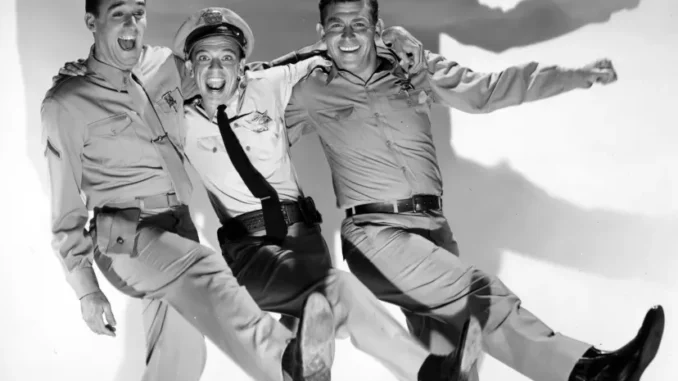
To audiences, The Andy Griffith Show looked like television paradise—friendly faces, easy laughter, and a town where money never seemed to matter. But behind the calm streets of Mayberry, the reality was far less idyllic. While the show became one of the biggest hits of the 1960s, not every cast member was paid equally, and some of television’s most beloved performances came at a surprisingly low price.
Andy Griffith: The Highest Paid Man in Mayberry
As the star and namesake of the show, Andy Griffith earned the largest salary. At his peak, Griffith reportedly made around $25,000 per episode, a massive sum for early 1960s television. His paycheck reflected not only his leading role as Sheriff Andy Taylor, but also his influence behind the scenes. Griffith had creative control and long-term leverage—luxuries few TV actors enjoyed at the time.
Don Knotts: The Show’s Secret Weapon—Paid Less Than You’d Expect
Despite stealing nearly every scene he appeared in, Don Knotts earned significantly less than Andy Griffith during most of the show’s run. Early on, his salary was modest, especially considering his workload and popularity. Only after winning multiple Emmy Awards did Knotts’ value become impossible to ignore.
Ironically, even as audiences saw Barney Fife as the heart of the show, Knotts never received star-level pay. This imbalance—combined with contract uncertainty—quietly fueled his decision to leave after Season 5.
Ron Howard: A Child Star on a Tight Leash
Young Ron Howard, who played Opie Taylor, became one of television’s most recognizable child actors. Yet his earnings were tightly controlled under child labor laws and studio contracts. While respectable for a child performer of the era, his salary was a fraction of the adults’—a reminder that fame did not always mean financial freedom, especially for young stars.
Frances Bavier: Steady Work, Limited Rewards
Frances Bavier, who portrayed Aunt Bee, enjoyed steady employment and audience affection, but her pay never matched the importance of her role. Like many supporting actresses of the time, she was underpaid compared to male co-stars. Despite being central to the show’s emotional warmth, Aunt Bee’s value was reflected more in screen time than in salary.
Why the Pay Gap Mattered
The uneven salaries behind The Andy Griffith Show reveal a harsh truth about classic television: success did not guarantee fairness. Studio contracts favored stars with leverage, while supporting actors—even scene-stealers—were often locked into restrictive deals. In many ways, Mayberry’s peaceful harmony existed only on screen.
A Show Built on Talent, Not Paychecks
What makes The Andy Griffith Show remarkable is not how much its cast earned, but how much they gave. Performances that still feel timeless today were created under pressure, imbalance, and uncertainty. The laughter was real—but so were the sacrifices.
Behind Mayberry’s smiles were contracts, negotiations, and quiet frustrations that shaped television history just as much as the jokes did.