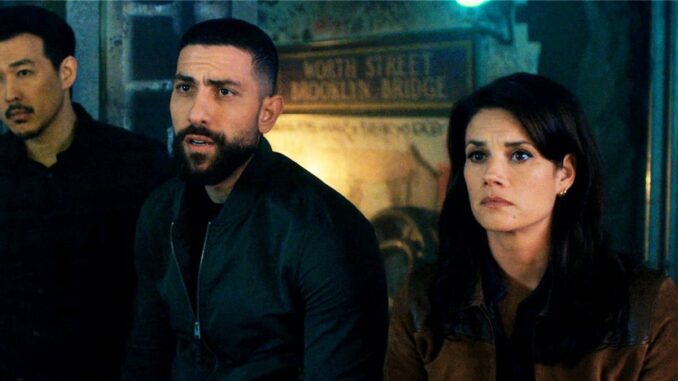
CBS positioned the FBI Season 8 midseason finale as a must-see, two-hour event, promising high stakes, emotional depth, and lasting consequences. And to be fair, the episode delivered a story with real weight—one that challenged its characters morally and thematically. But once the dust settled, a question lingered among fans: did this story truly require a full two hours to tell?
The answer isn’t simple. Because while the finale’s ambition was undeniable, its extended runtime sparked a genuine debate about pacing, focus, and what audiences expect from an “event” episode in an eighth-season procedural.
A Story Worth Telling
At its core, the midseason finale told a powerful and relevant story. The central case was layered, timely, and unsettling, forcing the team—and especially Jubal Valentine—to confront impossible choices with no perfect outcomes.
Rather than leaning on shock value, the episode explored:
-
Moral compromise under pressure
-
The cost of leadership
-
How systems strain when faced with modern threats
These themes gave the finale emotional resonance beyond a standard case-of-the-week. For many viewers, that alone justified the event billing.
Jubal’s Arc: The Emotional Backbone
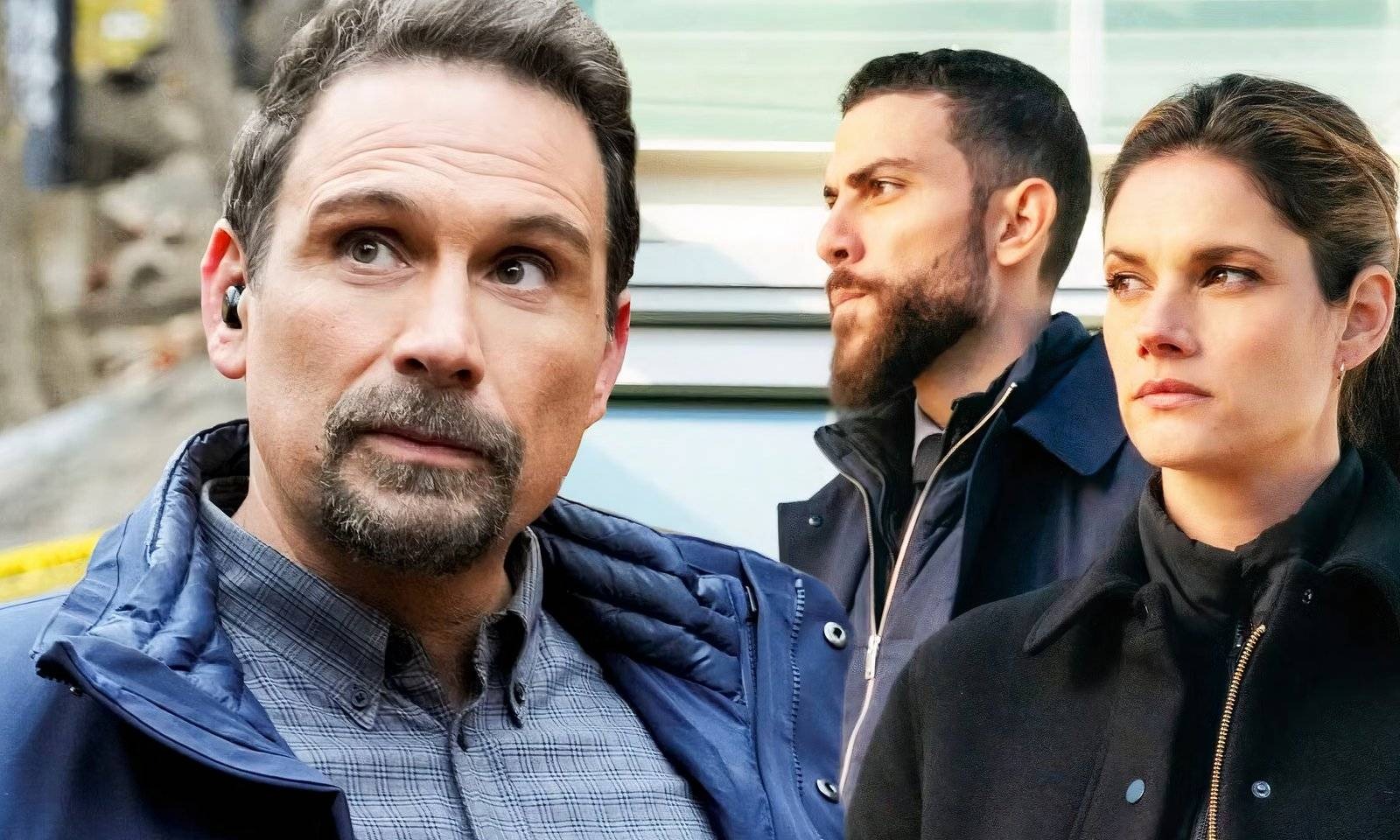
Jeremy Sisto’s Jubal Valentine was clearly the narrative anchor of the two-hour finale. The extended format allowed the show to sit with his internal conflict, showing how each decision chipped away at his certainty.
The slower pace benefited this character-driven approach. We weren’t just told Jubal was conflicted—we watched it unfold in real time. His hesitation, frustration, and quiet resolve became the emotional throughline holding the episode together.
In that sense, the extra time gave the story room to breathe.
When Expansion Becomes Padding
However, not every storyline benefited equally from the longer runtime.
Several procedural beats felt familiar, even repetitive:
-
Multiple strategy briefings covering similar ground
-
Extended investigation sequences that didn’t add new insight
-
Secondary subplots that stalled rather than deepened the narrative
These moments weren’t bad—but they raised questions about whether tighter editing could have preserved the impact without sacrificing clarity.
For some viewers, the tension plateaued instead of escalating.
Two Hours: Event or Expectation?
Network television has trained audiences to associate two-hour episodes with spectacle. Bigger threats. Bigger twists. Bigger consequences.
The FBI midseason finale leaned more toward emotional gravity than nonstop action, which may explain the divided reaction. Fans expecting constant escalation may have felt the story stretched thin, while others appreciated the deliberate pacing.
This split highlights a broader issue: when a show advertises something as “big,” expectations automatically rise—and so does scrutiny.
Strong Performances Carry the Weight
One reason the episode largely holds together is the strength of its performances. The cast commits fully, grounding the extended runtime in realism rather than melodrama.
Jeremy Sisto, in particular, uses subtlety to his advantage. His restrained performance prevents the episode from tipping into overindulgence. Supporting cast members also benefit from additional screen time, even if not all of it feels essential.
In a shorter episode, some of these quieter moments might have been cut—but they also contribute to the finale’s reflective tone.
A Question of Focus
The real issue isn’t whether the story was compelling—it clearly was. The issue is focus.
The finale sometimes struggled to decide whether it wanted to be:
-
A high-stakes procedural thriller
-
A character study centered on Jubal
-
A thematic exploration of modern law enforcement dilemmas
Trying to be all three over two hours occasionally diluted the impact of each.
A leaner, more focused version might have sharpened the message without losing depth.

Fan Reaction: Divided but Engaged
Audience response reflected this tension.
Some fans praised the episode for:
-
Taking its time
-
Letting the moral questions linger
-
Treating the midseason finale as more than a gimmick
Others felt:
-
The story could have been told in 90 minutes—or even one hour
-
Certain scenes repeated information
-
The pacing dampened the urgency
What’s notable is that almost everyone agreed on one thing: the story itself was strong. The debate centered on execution, not intent.
What This Says About FBI in Season 8
Eight seasons in, FBI is experimenting with form without abandoning its identity. The two-hour midseason finale feels like an attempt to evolve—to push beyond formula while still delivering the procedural comfort viewers expect.
That ambition deserves credit, even if the result wasn’t perfectly balanced.
The show is clearly more interested in long-term character arcs than it was in earlier seasons, and that shift may naturally lead to longer, more contemplative episodes.
Final Verdict
So, did FBI Season 8’s midseason finale need two hours?
Not entirely—but it wasn’t wasted either.
The extended runtime allowed for deeper character work and thematic exploration, particularly for Jubal Valentine. At the same time, tighter pacing could have amplified the tension and sharpened the story’s impact.
In the end, the finale succeeded where it mattered most: it sparked conversation, challenged its characters, and left a lasting impression.
And for a midseason finale, that may matter more than the clock ever could.