🤝 A Partnership Etched in Cinematic History
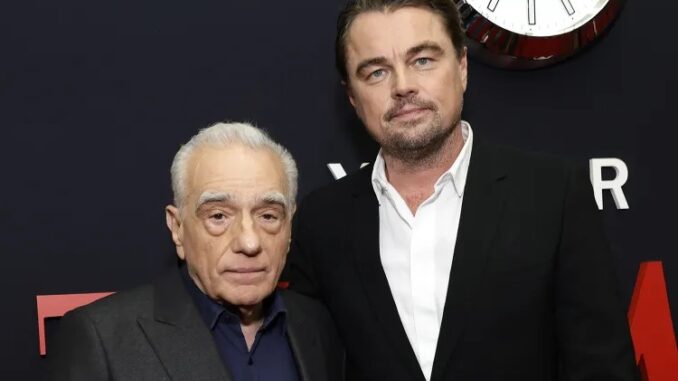
If you look up the definition of a legendary cinematic partnership, you’ll find two names dominating the entry: Martin Scorsese and Leonardo DiCaprio. Their collaboration isn’t just a director and an actor working together; it’s a creative phenomenon, a cinematic lightning strike that consistently produces some of the most profound, complex, and critically acclaimed films of the 21st century.
From the manic energy of The Aviator and The Wolf of Wall Street to the chilling intensity of The Departed and the historical weight of Killers of the Flower Moon, these films are more than just hits—they are cultural events. We’ve watched their synergy for two decades, but have you ever stopped to wonder what makes this creative engine run so smoothly, yet produce such electrifying results?
The answer, surprisingly, is not immediate, harmonious agreement. DiCaprio recently lifted the veil on their intense working process, revealing a fascinating truth: before they even step onto a set, they “debate for months.” This isn’t a petty squabble; it’s a rigorous, necessary creative crucible. It’s the intentional friction that sharpens the focus, deepens the themes, and ensures the final product is a truly undeniable piece of cinema. Let’s dive into why this lengthy debate process is the secret sauce behind their sustained genius.
🗣️ The Necessity of Creative Friction: Why Debating is Key
Why would two of the most brilliant minds in Hollywood, who trust each other implicitly, need months of vigorous debate before starting a project? Because, as artists, they understand that consensus breeds complacency, but friction creates heat—the heat necessary to forge steel.
Sharpening the Focus: Eliminating Narrative Fluff
Scorsese and DiCaprio always gravitate toward complex, often sprawling stories. Whether they’re navigating the expansive history of Howard Hughes or the moral abyss of Wall Street, their films deal with vast themes and intricate narratives. The initial script or concept is often unwieldy, a large block of marble waiting for the sculptor’s chisel.
-
The Socratic Method: Their debates likely employ a Socratic method, relentlessly questioning every character decision, every scene’s purpose, and every thematic implication. They challenge each other to defend the narrative choices. This process ensures that by the time they reach production, every scene is justified, and every moment serves the overarching artistic vision. They debate the film down to its most essential, potent core.
Digging Deeper: Uncovering the Moral Ambiguity
Scorsese’s cinema is rarely about clear-cut good and evil; it thrives in the moral gray zone. His films often explore the seductive nature of corruption, the complexities of ambition, and the fragility of the human soul.
-
DiCaprio’s Role: As the lead actor, DiCaprio must fully understand and embody the character’s internal contradictions. The debates force them to delve into the deepest psychological corners of the protagonist. Why does he lie? What is the cost of his ambition? By arguing for and against the character’s actions, they ensure the final performance is layered, contradictory, and profoundly human. They transform the character from a simple role into a living, breathing paradox.
🎭 From Research to Reality: Honoring Historical and Emotional Truth
Many of their collaborations are rooted in real-life events or complex literary sources, demanding an exceptional level of authenticity.
The Weight of History: Killers of the Flower Moon
Consider the profound responsibility they felt tackling the true, devastating story of the Osage murders in Killers of the Flower Moon. This required more than just reciting lines; it demanded a deep, ethical understanding of the historical horror.
-
Ethical Debates: Their discussions likely shifted from simple plot points to profound ethical questions. How do we tell this story without exploiting the victims? How do we portray the pervasive evil without sanitizing it? DiCaprio and Scorsese likely debated the narrative perspective—whether the film should focus on the investigators or the victims—for months, ensuring the final product honored the truth, even if it meant making the central character morally repulsive.
H3: Elevating the Performance from Imitation to Incarnation
For biopics like The Aviator (Howard Hughes) or The Wolf of Wall Street (Jordan Belfort), the debate ensures the character isn’t just an imitation but an incarnation of a person’s spirit and flaws. They debate how much madness to show, how much vulnerability to hide, and how to make a larger-than-life figure feel relatable, even tragic.
💪 The Partnership Dynamic: A Balance of Respect and Challenge
The reason their debates are fruitful, rather than destructive, lies in the intense mutual respect and trust they’ve built over seven feature films.
The Role of the Actor as Co-Author
DiCaprio isn’t just a star following directions; he’s a creative partner. He uses his weight as one of the world’s most bankable stars to demand excellence. He is not afraid to challenge Scorsese’s initial vision, pushing the veteran director to explain his choices and justify his frames.
-
Mutual Accountability: The debates function as a form of mutual accountability. Scorsese knows that DiCaprio will only give his best if he truly believes in the thematic and ethical core of the project, forcing the director to bring his A-game from day one. This dynamic ensures neither man ever settles for “good enough.”
H4: Avoiding the Echo Chamber
Every great director risks creating an “echo chamber,” where assistants and producers simply agree with the genius. DiCaprio acts as the necessary, intelligent, and powerful contrarian voice that prevents Scorsese from falling into familiar patterns. This dynamic is the ultimate luxury for a legendary director—having a co-creator whose sole loyalty is to the quality of the final film.
🕰️ The Pre-Production Crucible: A Test of Commitment
The months-long debate process is essentially a test of the film’s fundamental worthiness. If a concept cannot withstand months of relentless scrutiny from its two primary creative forces, it probably shouldn’t be made.
H3: The Commitment Test
By forcing themselves to debate for an extended period, they ensure the project is born out of conviction, not convenience.
-
Sustaining Passion: The process confirms that their initial passion for the story is deep enough to sustain the grueling production and post-production process. If the energy flags during the debates, they know the passion won’t last through the two-year journey to the screen.
-
Problem-Solving in Advance: They solve complex narrative and character problems before the expensive cameras start rolling. This saves millions of dollars and countless hours on set that might otherwise be wasted trying to fix fundamental story flaws.
🚀 The Legacy of Conflict: A Model for Artistic Excellence
The DiCaprio-Scorsese collaboration provides a phenomenal model for artistic excellence across any creative field. It teaches us that the greatest work often emerges not from ease, but from well-managed conflict.
They don’t debate against each other; they debate for the film. They treat the script as a puzzle, tearing it apart and reassembling it until the final picture is flawless, cohesive, and profound. They recognize that the integrity of their combined cinematic legacy is too important to risk on an untested, unchallenged idea.
This relationship is a testament to what happens when supreme talent meets supreme dedication, creating a cinematic crucible where masterpieces are forged under intense, prolonged pressure. We might not get a new Scorsese-DiCaprio film every year, but when we do, we know that every frame has survived months of intense artistic scrutiny—and that’s why they never disappoint.
Final Conclusion
Leonardo DiCaprio’s revelation that he and Martin Scorsese “debate for months” before starting a film together is the key to understanding their remarkable, sustained success. This lengthy creative friction is not a sign of discord but a necessary crucible that relentlessly challenges every narrative choice, sharpens the moral focus of the characters, and ensures the historical and emotional truth of the story is honored. DiCaprio acts as the powerful, intelligent voice that prevents the auteur from settling, forcing both artists to push for peak artistic excellence. Their debates ultimately result in masterpieces that are meticulously refined, dramatically profound, and truly worthy of their combined cinematic legacy.
❓ 5 Unique FAQs After The Conclusion
Q1: How many feature films have Martin Scorsese and Leonardo DiCaprio officially collaborated on?
A1: As of the release of Killers of the Flower Moon, Martin Scorsese and Leonardo DiCaprio have collaborated on six feature films: Gangs of New York (2002), The Aviator (2004), The Departed (2006), Shutter Island (2010), The Wolf of Wall Street (2013), and Killers of the Flower Moon (2023).
Q2: Does Robert De Niro also participate in the months-long debate process with Scorsese?
A2: Robert De Niro, Scorsese’s other famous muse, has a different creative rhythm with the director, often favoring intense, silent preparation and allowing the script and character work to evolve more organically on set. DiCaprio’s method, however, tends to be more proactive, ensuring the character’s psychological arc is airtight before filming begins.
Q3: Which Scorsese film featuring DiCaprio took the longest to develop and research?
A3: Killers of the Flower Moon is widely considered their most demanding and longest-developed project. The historical sensitivity and complexity of the Osage Nation story required years of extensive research, script rewrites, and ethical consultation, leading to the reported months-long debates DiCaprio referred to.
Q4: Has the Scorsese-DiCaprio partnership ever resulted in an Oscar win for the actor?
A4: While DiCaprio has been nominated for his performances in The Aviator and The Wolf of Wall Street, his only Oscar win (for The Revenant) came from a collaboration with director Alejandro G. Iñárritu. However, the films he made with Scorsese have earned numerous nominations for both of them, cementing their critical success.
Q5: What is the next confirmed project for Martin Scorsese and Leonardo DiCaprio?
A5: The next confirmed project for the duo is an adaptation of the book The Wager: A Tale of Shipwreck, Mutiny and Murder, based on the true story of a dramatic 18th-century shipwreck. Given their established pattern, we can expect years of intense debate and preparation before the cameras begin rolling.