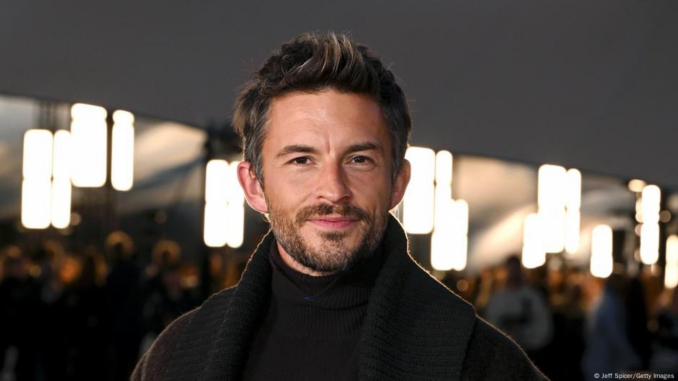
When People magazine announced its “Sexiest Man Alive” for 2025, the choice reverberated far beyond entertainment headlines. Jonathan Bailey, known globally for his role as Anthony Bridgerton, became the first openly gay man to receive the honor. The title was more than a celebration of physical attractiveness; it symbolized a broader cultural shift in how masculinity is portrayed, perceived, and celebrated.
Bailey accepted the recognition with characteristic humility. He joked that he had told “no one but his dog” before the announcement and described the honor as “surreal and slightly absurd.” But beneath the humor was an understanding of the historic weight of the moment. The entertainment industry has long been shaped by traditional, heteronormative ideals — the strong, silent, rugged leading man who rarely strays from classic archetypes. Bailey’s win disrupts that narrative.
His career has been defined by complexity and elegance rather than machismo. As Anthony Bridgerton, Bailey injected vulnerability into the character, portraying duty, heartbreak, and hidden tenderness. Audiences praised not just his performance but his ability to subvert stereotypes without reducing masculinity to a single expression. That same authenticity now resonates with millions who see his “Sexiest Man Alive” title as a victory not just for representation, but for diversity in the portrayal of men.
Bailey has been open about the challenges of being an openly gay actor in previous years. Early in his career, he was advised to conceal his sexuality for fear of being passed over for romantic roles. Now, with one of the world’s most visible beauty titles attached to his name, Bailey’s success becomes an emblem of progress. It signifies that audiences — and the industry — are ready to embrace broader definitions of attractiveness and leadership.
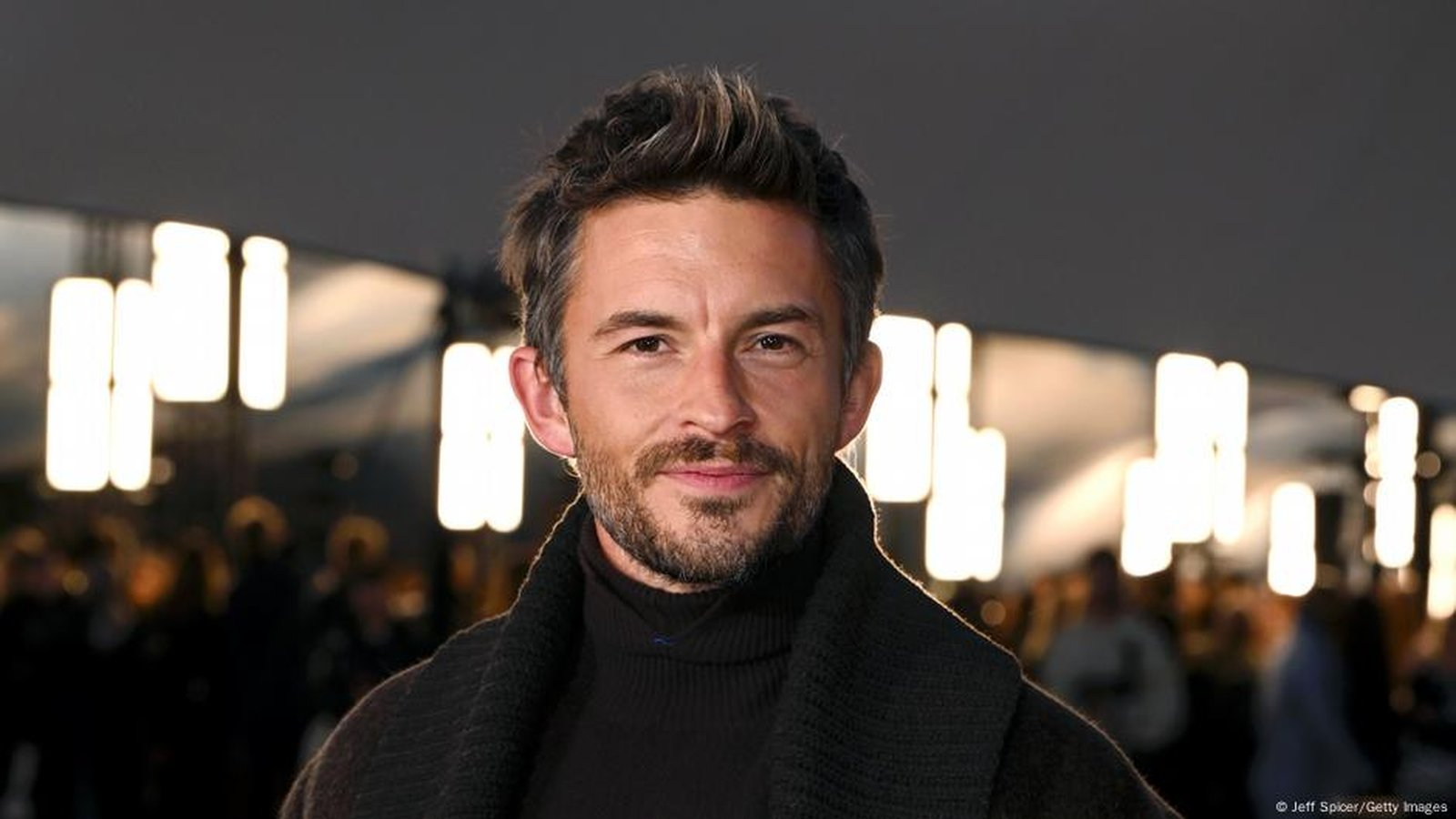 Beyond Bridgerton, Bailey is emerging as a versatile star across genres. He has appeared in stage productions, thrillers, and large-scale franchises. His work ethic, charm, and emotional intelligence have earned him both critical acclaim and a fiercely loyal fanbase. His increasing prominence offers young performers — particularly LGBTQ+ artists — a vision of what success can look like when one refuses to hide.
Bailey’s title also invites discussion on how fame intersects with identity. Rather than reduce him to a symbolic figure, fans have celebrated the fullness of who he is: an actor, activist, advocate, and individual committed to authenticity. He has used his platform to support queer youth, promote mental health awareness, and champion inclusivity in media. This holistic visibility makes his recognition far more than a personal accolade; it becomes a cultural milestone.
In a world that still wrestles with bias and restrictive beauty standards, Bailey’s emergence as a global symbol of attraction is deeply meaningful. It sends a message that desirability is not confined to one narrative, one identity, or one archetype. It can be soft or strong, queer or straight, tender or fierce.
Jonathan Bailey has not only earned his title — he has expanded what it means.