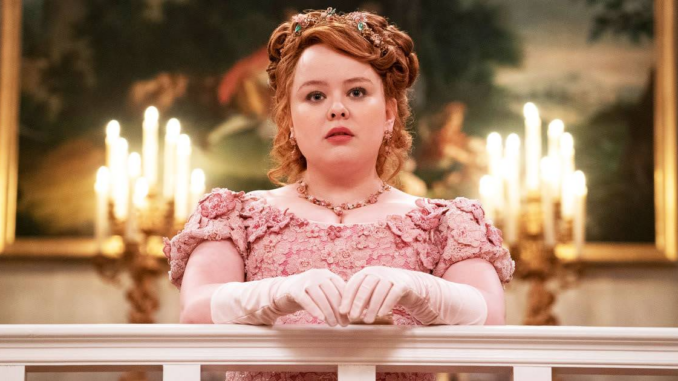
For many television stars, celebrity is a currency — a tool that opens doors, builds brands, and creates opportunities. But for Nicola Coughlan, the Irish actress who portrays Penelope Featherington in Bridgerton, fame has become something far more complicated. In late 2025, she stepped forward in a candid and emotional interview, revealing how her activism, mental health history, and public scrutiny have collided in ways she never expected. What emerged was a rarely seen portrait of a woman wrestling with the responsibilities of visibility — and with the emotional toll of speaking out in an era when everything is politicized.
Coughlan explained that before Bridgerton changed her life, she spent years in low-paid jobs, struggling financially and mentally. Acting was a dream she chased relentlessly, even as she fought anxiety, depression, and a deep sense of insecurity. The overnight success of Bridgerton thrust her into an entirely new world: red carpets, high fashion, press tours, and millions of fans. Yet beneath the glamorous exterior, she found herself increasingly overwhelmed by attention she had not been prepared for.
One of the most significant pressures she faced came from the public’s fixation on her body and appearance. She shared how online comments — critiques of her weight, speculations about her personal life, and aggressive demands for constant engagement — began to chip away at her sense of safety. The parasocial intensity of fame, she described, felt like an invisible cage: fans believed they knew her, and critics believed they owned her.
But the pressure intensified when she stepped more boldly into political activism. Coughlan has long been outspoken about social justice issues: LGBTQ+ rights, abortion access, and more recently, humanitarian crises and cease-fire advocacy. In 2025 she raised more than £1.5 million for charity initiatives, attended protests, and wore political symbols at public events. Her activism earned praise from many, but it also sparked anger from some sectors of her audience.
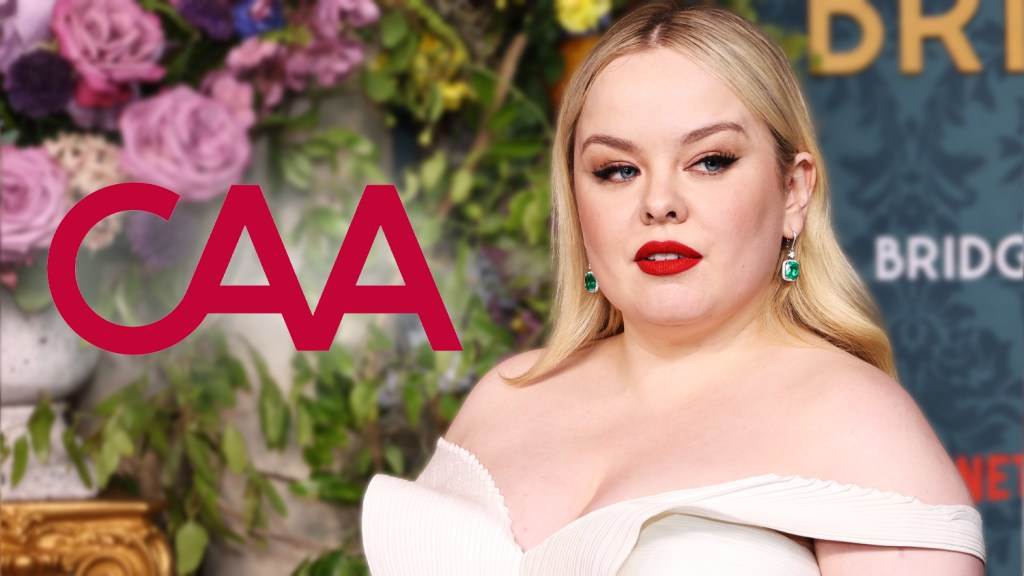 Coughlan noted that she lost hundreds of thousands of followers after voicing her political views. Some sponsors quietly pulled back. Friends and colleagues cautioned her that taking strong stances could harm her career. But instead of retreating, she leaned into a defiant honesty: “True activism has to cost you something,” she said. For her, that cost has included public backlash, lost opportunities, and even personal relationships strained by disagreement.
She explained that the hardest part is not the criticism itself, but the misconception that actors must remain apolitical. As she described, fame does not strip her of citizenship, empathy, or the right to express conviction. If anything, she feels a responsibility to use her platform for something meaningful. Still, the vitriol aimed at her has forced her to set stronger boundaries. She now limits social media use, guards her personal life carefully, and works closely with mental health support systems.
Despite everything, Coughlan’s commitment remains unwavering. She continues to speak up not for reward, but because silence feels complicit. Her bravery has resonated with fans who see her not as a perfect figure, but as a real person navigating a complicated world. Her story reveals an essential truth about modern fame: celebrity can amplify one’s voice, but it also exposes that voice to thunderous backlash.
Today, Coughlan stands at a crossroads between activism and artistry, navigating both with a clarity she did not always possess. She is learning that empowerment does not come from applause, but from authenticity — even when it costs her.